City guide
Dali Travel Guide
Plan Dali around Erhai, Xizhou, Cangshan tickets, where to stay, transport choices, and the lake-view hotel traps to avoid.
Dali is the soft landing of northwest Yunnan: Cangshan behind you, Erhai in front, Bai villages in between, and enough guesthouses and cafes to make people extend their stay. The city becomes disappointing only when it is treated like a list of viral lake viewpoints.
A better Dali plan is slower and more physical. Choose where you want to wake up, decide which side of Erhai you will actually enjoy, keep one village in focus, and do not build the day around a full lake loop unless you genuinely like long transfers.

Who Dali is really for
Dali works best for travelers who want a softer Yunnan day: lake light, village lanes, simple food, and time outside a bus. It is good before Lijiang because it feels lower, easier, and less logistics-heavy. It is also useful before Shangri-La because it gives the route a slower start before altitude becomes the main issue.
It is not the right place if you only want famous landmarks every hour. The magic is in the space between things: morning fields near Xizhou, wind beside Erhai, a quiet side lane in the old town, and the mountain line that keeps appearing behind ordinary streets.
How many days do you need?
Two nights is the best minimum. Three nights is better if you want Cangshan, Xizhou, an Erhai half-day, and one evening with no mission.
| Time | Best plan |
|---|---|
| 1 night | Old Town evening plus one short Xizhou or Erhai stop |
| 2 nights | One Erhai side, Xizhou, Old Town, and flexible food time |
| 3 nights | Add Cangshan or a slow lake day without rushing to Lijiang |
If your route is Kunming -> Dali -> Lijiang -> Shangri-La, Dali is where you should resist the urge to “use every minute.” Save that energy. The next stops ask for more.
The first-timer route that actually feels good
Use Dali Old Town as a base if you want simple evenings. Spend the first afternoon settling in and walking the quieter lanes, not chasing every bar street. On your full day, go toward Xizhou and the west side of Erhai. This gives you village texture, lake time, and manageable transport.
If you have a third day, choose between Cangshan and a slower lake day. Cangshan is better on a clear day; the lake is better when weather or energy is uncertain. Do not add Cangshan, Xizhou, Shuanglang, and a full Erhai loop into one day. That is not “efficient”; it is how Dali becomes traffic.
Erhai: west side or east side?
Erhai is the center of Dali, but not every traveler needs to circle it. First-time visitors usually enjoy the west side more because it connects more easily with Old Town, Caicun, Longkan, and Xizhou. The east side gives bigger open-road views and dramatic lake photos, but it needs more careful transport planning.
| Area | Best for | Watch out for |
|---|---|---|
| West Erhai | First-timers, Xizhou, gentler cycling sections, old-town access | Crowds around famous photo points |
| East Erhai | Wider lake views, road-trip photos, Shuanglang | Longer transfers and weaker backup if plans change |
| Full loop | Travelers with a driver or a real road-trip day | Sun, wind, traffic, battery anxiety, and fatigue |
If you rent an e-bike, confirm the battery range, helmet, return time, deposit, parking rules, and what happens if the battery runs low. A weak e-bike can turn a pretty route into a long negotiation.
Where to stay in Dali
The biggest Dali lodging mistake is booking the room with the most beautiful “sea-view” photo and only later realizing that Erhai is a lake, dinner is far away, and taxis are limited at night.
| Area | Choose it if | Avoid it if |
|---|---|---|
| Dali Old Town | You want easy food, bars, guesthouses, and onward transport | You need silence or dislike commercial streets |
| Longkan / Caicun | You want sunrise walks and quick lake access | You expect every restaurant and bar to be nearby |
| Xizhou | You want village mornings and a slower Bai-culture stay | You need late-night options |
| Shuanglang | You want an east-side lake stay and balcony views | You do not want longer transfers |
| Xiaguan / Dali city | You need rail access or practical logistics | You came mainly for old-town atmosphere |
For most overseas visitors, Old Town or a well-reviewed west-side lakeside stay is safer than a remote “view hotel.” Ask the hotel how you will get back after dinner, not just whether the view is nice.
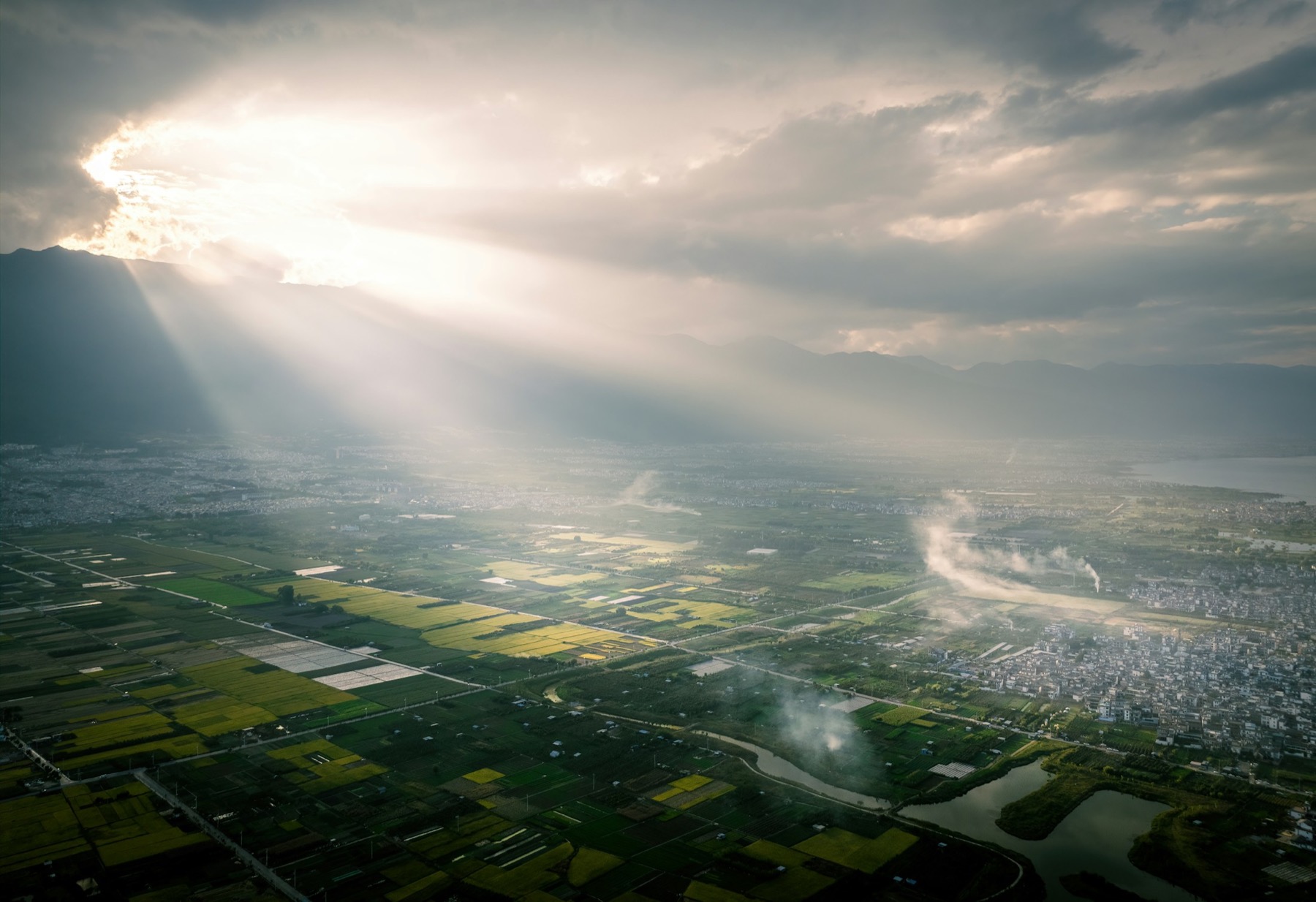
Xizhou, Shuanglang, Cangshan, and Three Pagodas
Xizhou is the easiest village recommendation. Go for Bai-style courtyards, fields, old lanes, rice cakes, and a slower street rhythm. Morning and late afternoon are better than harsh midday light.
Shuanglang is more about lake-facing stays and east-side views. It can be beautiful, but it is not automatically better than Xizhou. Choose it if you want to spend time on that side of the lake, not just because a balcony photo looked good.
Cangshan gives Dali its mountain frame. On a clear day, a cableway plus a short walk can be worth it. In poor weather, do not force it. Clouds can swallow the point of the trip.
Three Pagodas are iconic from outside. Paying to enter depends on how much temple time you want. Many visitors are happy with the classic view and then spend the saved time on Xizhou or Erhai.
Tickets and reservations
Dali’s ticket issue is less dramatic than Lijiang’s Jade Dragon Snow Mountain, but it still needs planning.
- Cangshan cableways: check the route, weather, operating status, and last descent time before you go. Different cableways do not give the same experience.
- Three Pagodas: decide whether you want the full temple area or just the exterior view. Do not buy unclear “discount tickets” from random sellers.
- Erhai boats and lake buses: useful for some travelers, but confirm the exact pier, route, and return point.
- Xizhou experiences: old-house visits, workshops, or small local activities may need a timed booking, especially in busy seasons.
- Foreign passports: major scenic areas usually support passport ticketing, but online systems may still be easier with a Chinese phone number or hotel help.
The practical rule is simple: buy through the scenic area’s official channel, your hotel, or a reputable platform, and keep your passport with you when a real-name ticket is involved. Avoid any seller who cannot clearly explain the ticket name, entry point, time, and refund rule.
Food, pace, and the point of Dali
Dali is a good place to eat slowly: Bai-style flavors, rice noodles, grilled cheese, flower cakes, simple vegetables, and cafe breakfasts that are more about the morning than the menu. The point is not to find one “must-eat” restaurant. It is to let the day breathe.
If you only have one proper meal outside the old town, make it near Xizhou or a quieter lakeside area. The food may not be grand, but the setting does more for the trip than another crowded old-town snack street.
Common Dali mistakes
- Booking a remote hotel because the photo says “sea view.” Transport still matters after sunset.
- Trying to loop all of Erhai on a weak e-bike. Ask about battery and route limits first.
- Using an unclear private car quote. Confirm total price, stops, parking, waiting time, and return time.
- Treating Xizhou, Shuanglang, Cangshan, and Three Pagodas as one-day checklist items. Pick your real priority.
- Ignoring sun and wind. Dali can feel gentle until you spend four hours beside the lake.
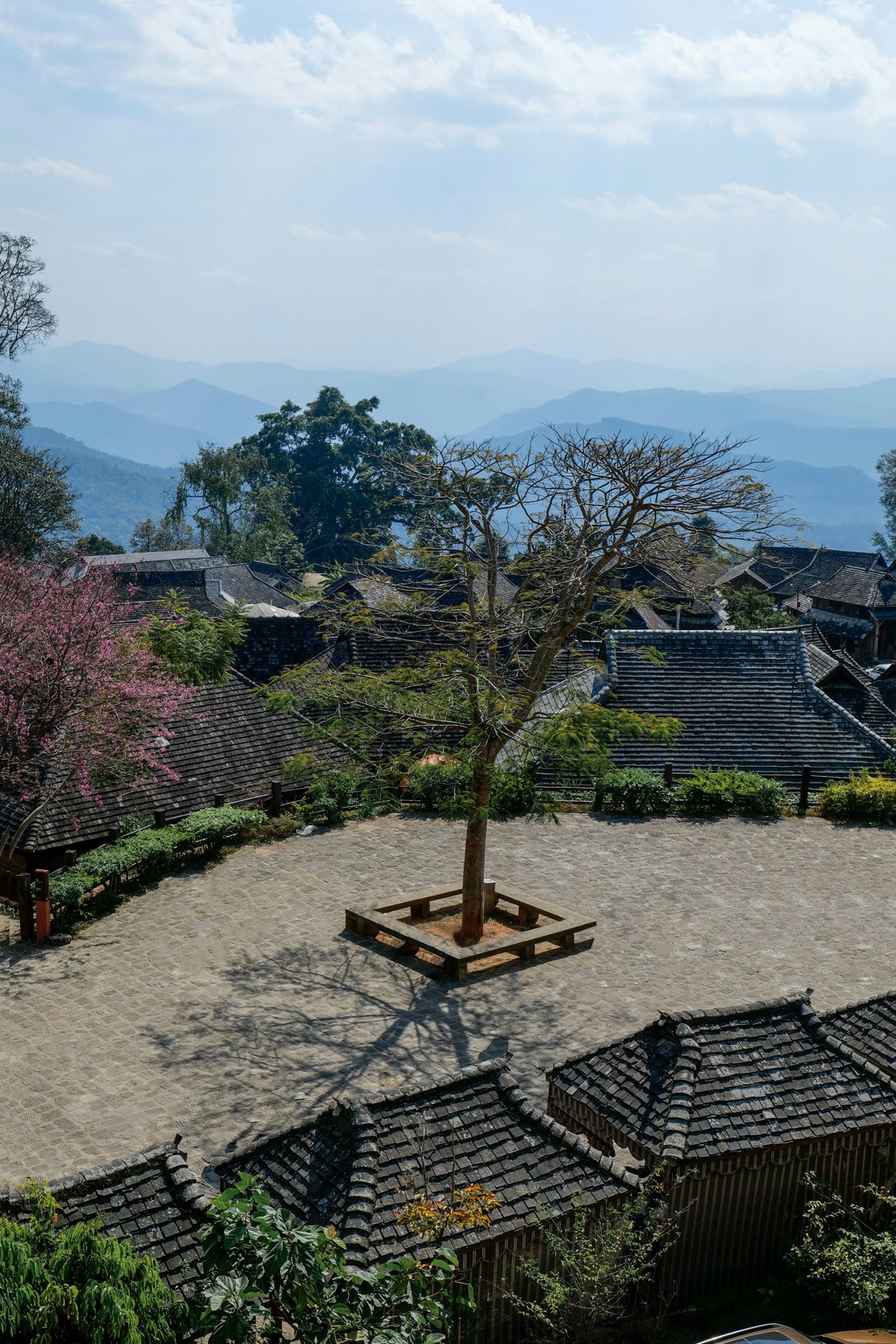
Dali in a Yunnan route
Dali is the best soft landing before Lijiang and Shangri-La. It sits lower than Shangri-La, feels easier than the mountain zones, and gives your route a slower start.
| Route slot | Why it works |
|---|---|
| Before Lijiang | A calmer lake stop before old-town crowds and snow mountain logistics |
| Before Shangri-La | Lower altitude and softer pace before the high plateau |
| After Kunming | Easy rail connection and a clear first Yunnan destination |
Related guides
- Yunnan travel guide — how to connect Dali, Lijiang, and Shangri-La.
- Lijiang travel guide — old town, Baisha, and Jade Dragon Snow Mountain.
- Shangri-La travel guide — altitude planning after Dali and Lijiang.
Sources
Affiliate link — we may earn a commission at no extra cost to you. Booking is completed on Klook.