City guide
Shangri-La Travel Guide
Plan Shangri-La around altitude, Dukezong, Songzanlin tickets, Napa Lake, Pudacuo, oxygen hotels, transport, and when to slow down.
Shangri-La is where the Yunnan route changes texture. The air gets thinner, the light gets harder, the towns feel more Tibetan, and the itinerary speed that worked in Dali can suddenly feel foolish. The first question is not “how many sights can I fit?” It is “how do I arrive well enough to enjoy them?”
If you slow down, Shangri-La can be the most memorable part of northwest Yunnan. If you rush it, it becomes a headache, a hotel oxygen machine, and a long drive back to Lijiang.
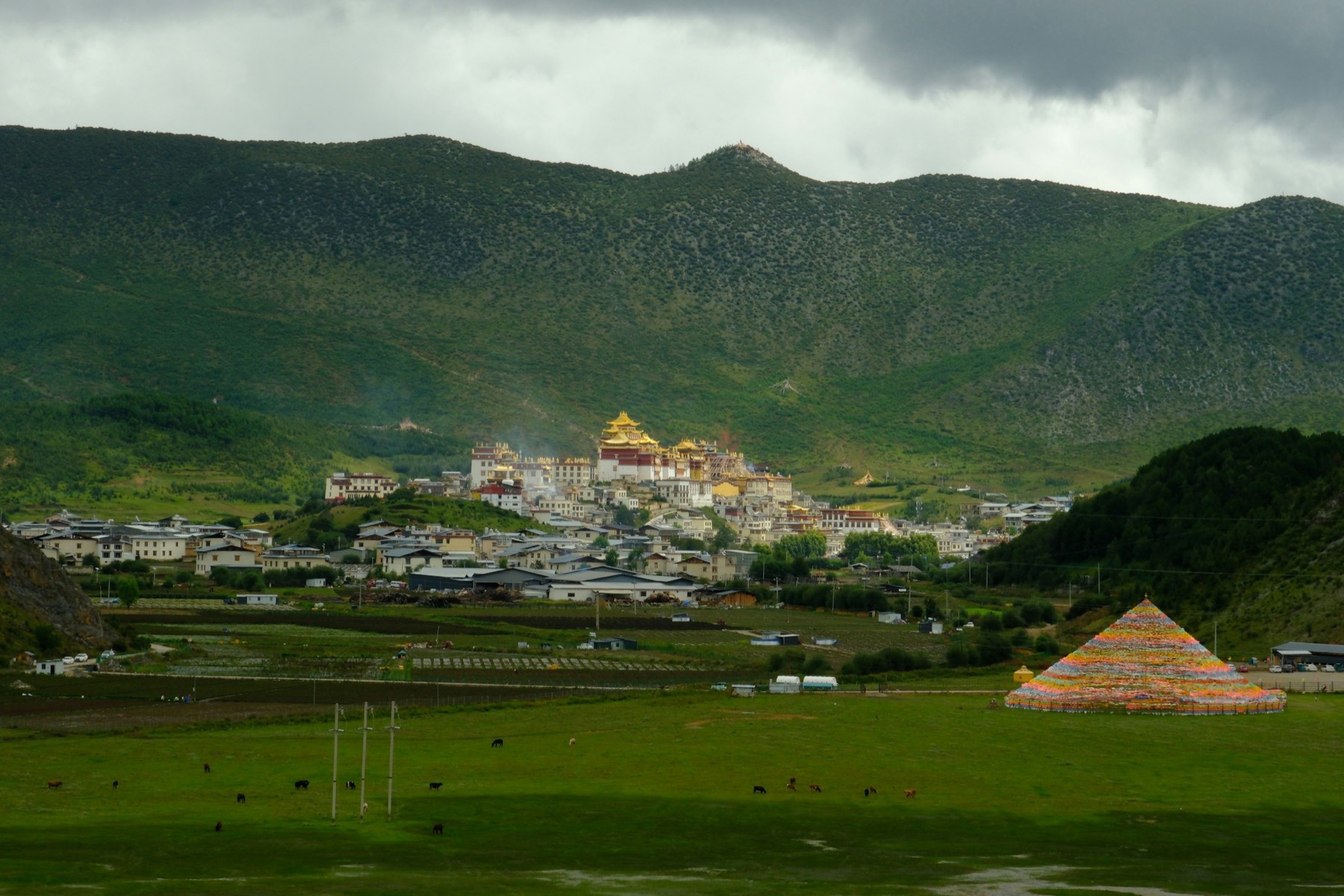
Who Shangri-La is for
Shangri-La is for travelers who want plateau landscapes, Tibetan Buddhist architecture, wide sky, cold evenings, and slower days. It is not a simple “add one more old town” after Lijiang. The altitude changes how you walk, sleep, eat, and schedule.
It is also completely reasonable to skip Shangri-La if you are traveling with very young children, older relatives, heart or lung conditions, pregnancy concerns, or a route with no buffer. Ending in Lijiang can be a better trip than forcing a high-altitude stop you cannot enjoy.
How many days do you need?
Two nights is the minimum I would recommend for most travelers. One night is possible but brittle: you may arrive tired, sleep poorly, and leave just as your body starts adjusting.
| Time | Best plan |
|---|---|
| 1 night | Dukezong plus Songzanlin only if you feel well |
| 2 nights | Dukezong, Songzanlin, Napa Lake, and recovery space |
| 3 nights | Add Pudacuo or a slower countryside day |
If you can, arrive from Lijiang rather than jumping directly from a low-altitude city. A gradual climb is not a guarantee, but it is kinder to the body.
The first 24 hours matter most
Shangri-La city is above 3,000 m. Some travelers feel only mild breathlessness; others get headaches, nausea, poor sleep, or worse. The safest practical move is to make the arrival day almost boring.
First-day rules:
- walk slowly and avoid running up stairs;
- keep meals warm and simple;
- avoid alcohol on the first night;
- do not take a long hot shower if you already feel lightheaded;
- tell your hotel early if symptoms feel wrong;
- descend or seek medical help for severe symptoms.
Oxygen can help symptoms, but it is not a badge of success or failure. The goal is to travel well, not to prove you can ignore altitude.
Where to stay: warmth beats romance
In Shangri-La, the hotel question is not only “is it beautiful?” Ask whether the room has reliable heating, whether oxygen support is available, whether there is a humidifier, how far the car can reach, and how quickly staff can help if you feel unwell at night.
Dukezong Old Town is the easiest base for food, cafes, guesthouses, and a gentle first walk. Staying just outside the old town can be more practical if you want quieter nights and better vehicle access. A remote scenic guesthouse can be lovely, but only if you already have transport and do not need easy medical or food backup.
Tickets and reservations
Shangri-La’s ticket issue is usually not the same as Lijiang’s snow mountain sell-out pressure. The risk is fuzzier: unclear packages, driver detours, horse-field pricing, and scenic areas that take more time and energy than expected.
- Songzanlin Monastery: buy through the official scenic-area channel, ticket office, hotel, or a reputable platform. Carry your passport if the ticket is real-name. Dress warmly and respect no-photo areas.
- Napa Lake: many experiences are outside a single simple gate. Before taking a car, horse ride, or lakeside route, confirm the total price, route, waiting time, and what is included.
- Pudacuo National Park: check opening status, shuttle rules, weather, and how much walking is involved. It is better as a planned day than a rushed add-on.
- Low-price tours: be careful if the price seems too low and the shopping or detour rules are unclear.
For foreign travelers, hotel help can be useful because some booking systems are smoother with a Chinese phone number. But “hotel help” should still mean a clear ticket name, time, entry point, and refund rule.
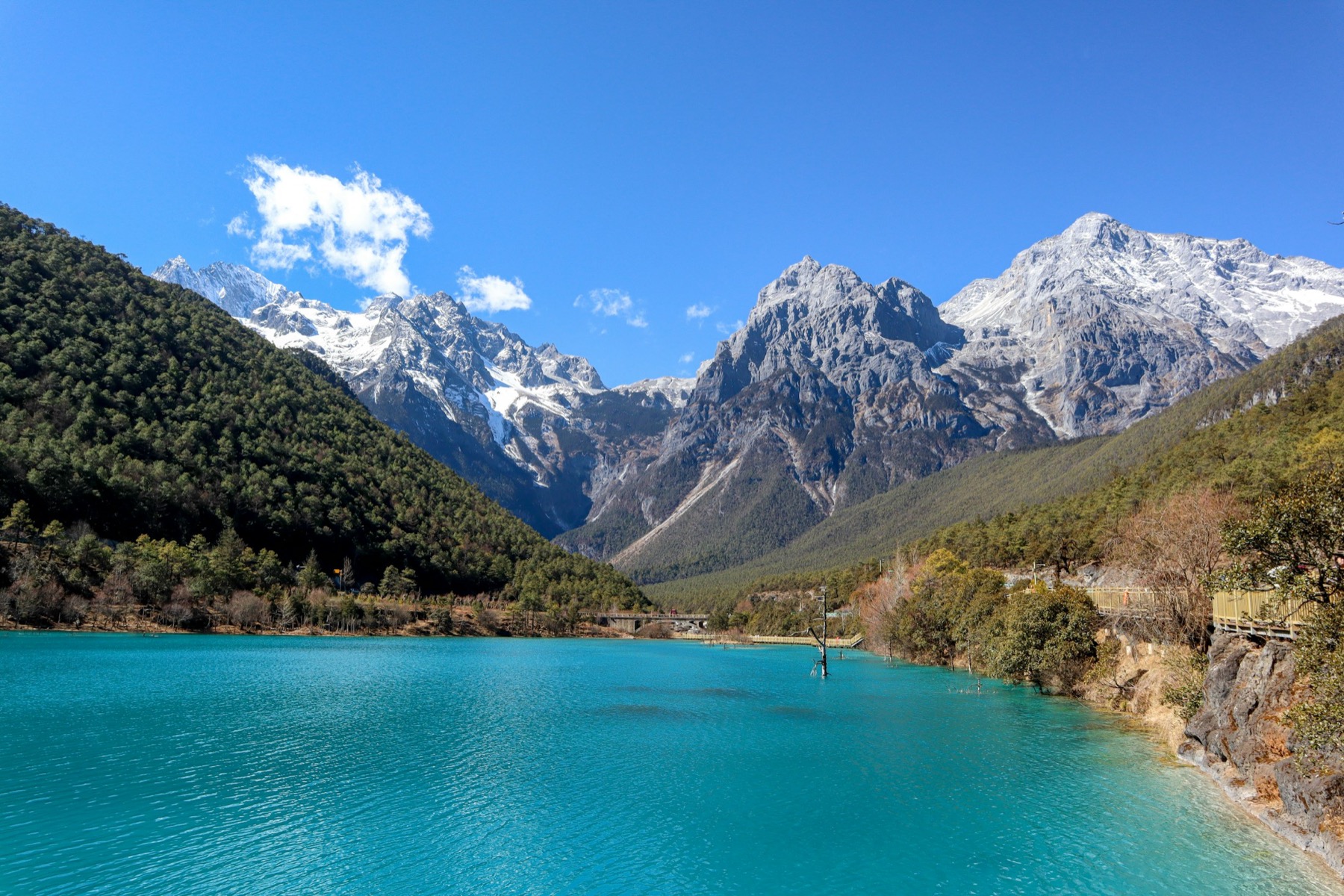
Songzanlin, Napa Lake, Pudacuo, or Dukezong?
| Place | Best for | When to skip or delay |
|---|---|---|
| Dukezong | First evening, food, cafes, prayer wheel, easy walks | If you are exhausted, keep it to dinner only |
| Songzanlin | The strongest cultural sight near town | If stairs and altitude already feel bad |
| Napa Lake | Open sky, wetland, grassland, a softer half-day | If driver or horse pricing is unclear |
| Pudacuo | Forest, lake, national-park scenery | If you have only one full day or slept badly |
The core first plan is Dukezong plus Songzanlin and Napa Lake. Pudacuo is a bonus for a second full day, not a moral obligation.
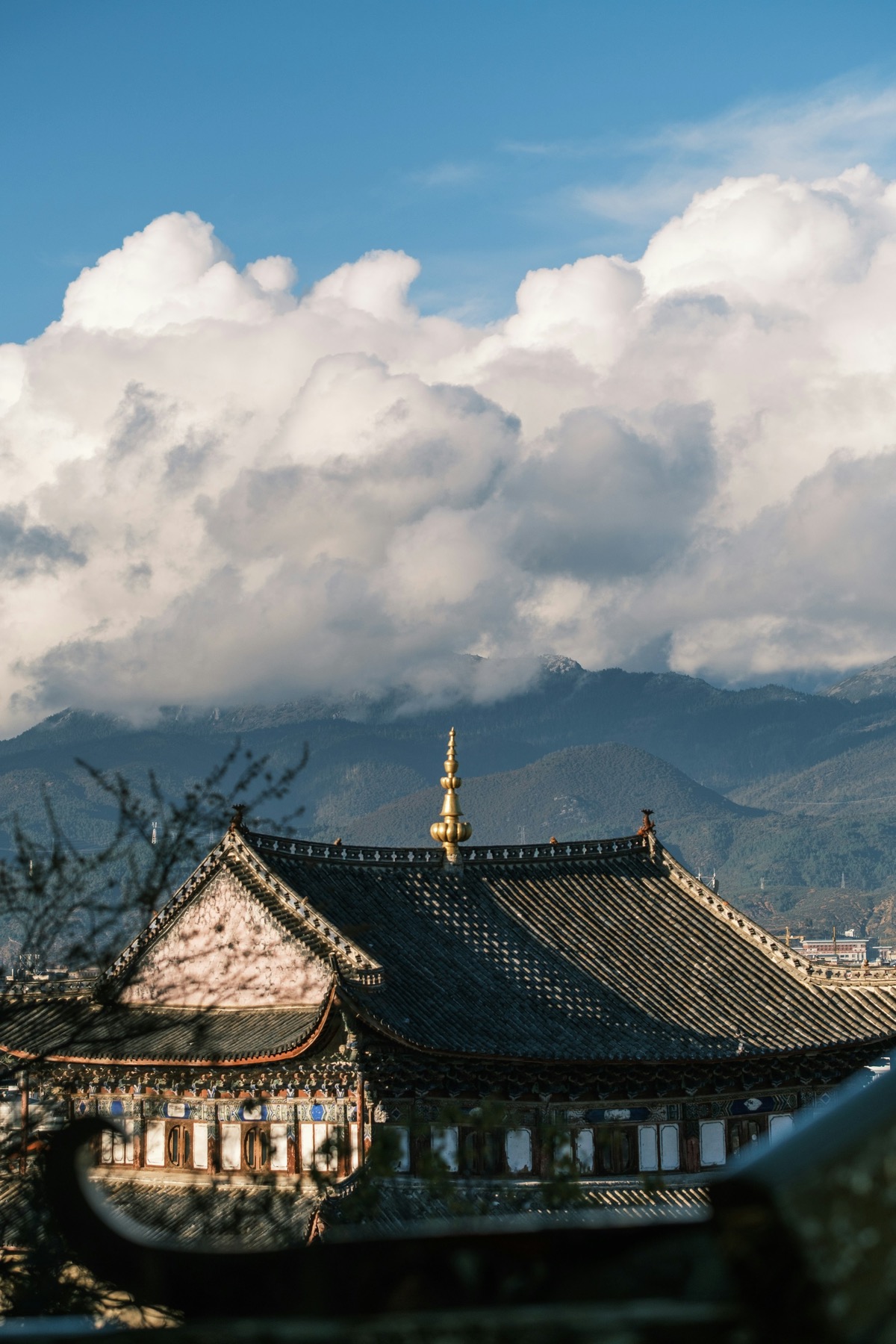
A simple two-night plan
On arrival day, check in, eat warm food, take a short Dukezong walk, and sleep early. On the full day, visit Songzanlin slowly, then choose Napa Lake if you feel well. Keep the evening loose.
With a third night, add Pudacuo or a slow countryside day. Do not stack Pudacuo and a long transfer out on the same day unless you already know your body handles altitude well.
Common Shangri-La mistakes
- Arriving and immediately doing stairs, monastery, and nightlife. Keep the first day light.
- Assuming oxygen solves everything. Serious symptoms need rest, descent, or medical help.
- Booking a cold hotel without checking heating. Nights can be uncomfortable even outside deep winter.
- Underestimating sun, wind, and dryness. Use sunscreen, lip balm, and layers.
- Using vague private car or horse offers around lakes and grasslands. Confirm total price and route.
- Treating religious sites as costume-photo backgrounds. Follow local rules and be quiet inside halls.
Shangri-La in a Yunnan route
The smoothest first route is Dali -> Lijiang -> Shangri-La. Dali gives you lake time, Lijiang gives you a middle-altitude pause, and Shangri-La becomes the high point rather than a shock.
If you are unsure, make the Shangri-La portion flexible. A good Yunnan trip is not measured by whether you “completed” every famous stop. It is measured by whether you were healthy enough to remember it well.
Related guides
- Yunnan travel guide — route logic for Dali, Lijiang, and Shangri-La.
- Lijiang travel guide — the best stepping-stone before Shangri-La.
- Dali travel guide — a lower-altitude start to northwest Yunnan.
Sources
Affiliate link — we may earn a commission at no extra cost to you. Booking is completed on Klook.