When to go
Beijing Travel Guide: A Realistic 3-Day First Trip (2026)
Plan a first Beijing trip around reservation days, not a giant sight list: a realistic 3-day route, where to stay, how to move and what to book first.
- 3 full days minimum
- Book first, route second
- One long axis per day
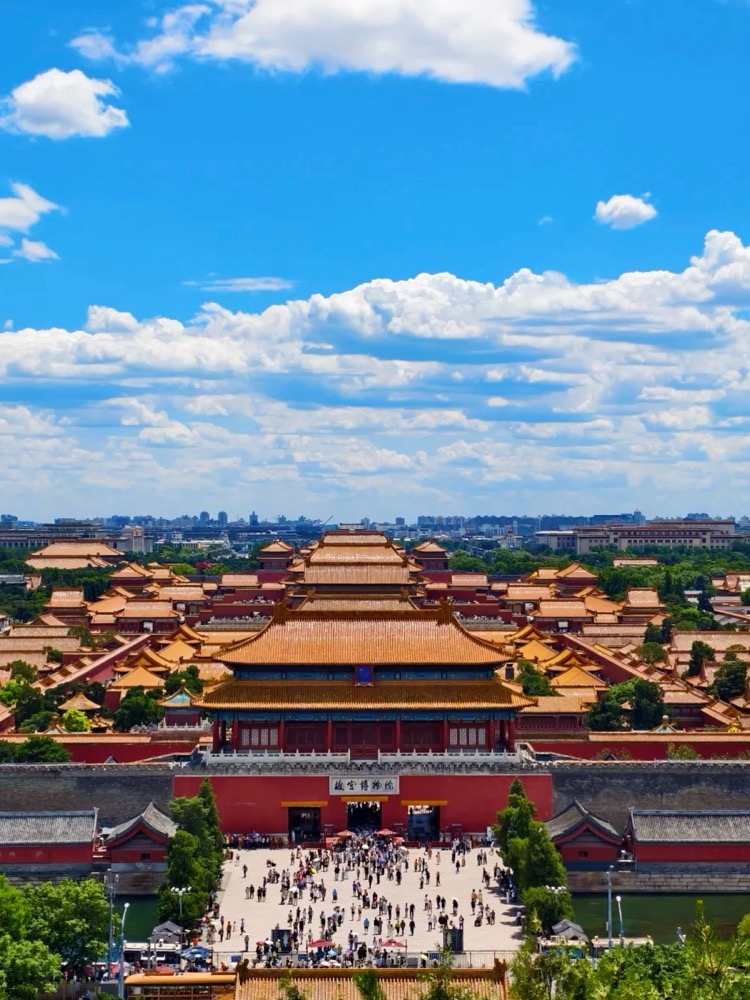
For a first Beijing trip, three full days is the workable minimum and four is better. I would protect one day for the imperial centre, one for the Great Wall and one for either south Beijing or the Summer Palace. That sounds conservative until the security checks, vast compounds and cross-city travel start consuming the clock.
The planning order matters more than squeezing in another pin: secure the dated attraction first, choose the day’s geographic axis second, and only then add food or neighbourhood time. If you want a menu of alternatives rather than a fixed route, use Things to Do in Beijing.
Book these before you shape the route
| Priority | What to decide | Practical reason |
|---|---|---|
| 1 | Forbidden City date | The Palace Museum does not sell same-day admission and closes on most Mondays. |
| 2 | Great Wall section | Mutianyu and Badaling require different transport plans; both deserve a full day. |
| 3 | Tiananmen-area access | Security arrangements and reservations can affect the imperial-core day. |
| 4 | Hotel area | A central metro stop can remove an hour of backtracking from each day. |
Use the Palace Museum visitor page, the official Beijing attraction-ticket hub and the attraction’s own current booking page. Keep the passport used for the reservation with you.
A realistic three-day Beijing plan
For the official booking route, foreign-passport steps and confirmation checks, use the Forbidden City ticket guide.
Day 1: Forbidden City → Jingshan → one evening district
Start with the dated reservation. The Palace Museum route naturally runs south to north; Jingshan Park sits by the north exit, so it is the one easy add-on I would keep. After that, choose either Shichahai for a lakeside evening or Qianmen for dinner. Nanluoguxiang, Houhai and Qianmen are not one short post-museum stroll.
Day 2: the Great Wall, with nothing major afterwards
Mutianyu is my default when mountain scenery and a calmer day matter. Badaling is the more straightforward independent-public-transport choice. Neither belongs in a half-day fantasy itinerary. Allow for the city transfer, shuttle or cable-car decisions, the exposed ridge and the return trip.
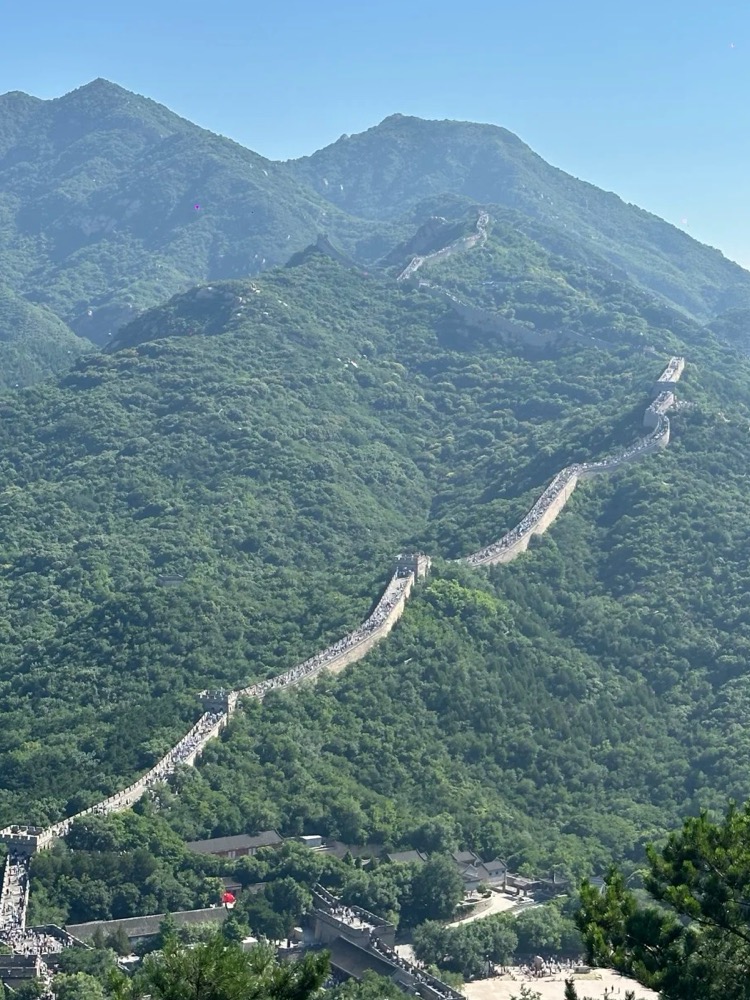
For independent Badaling transport, use the dedicated Beijing to Badaling guide. A tight airport connection needs the separate Great Wall layover check.
Day 3: Temple of Heaven + Qianmen, or Summer Palace
These are two different days.
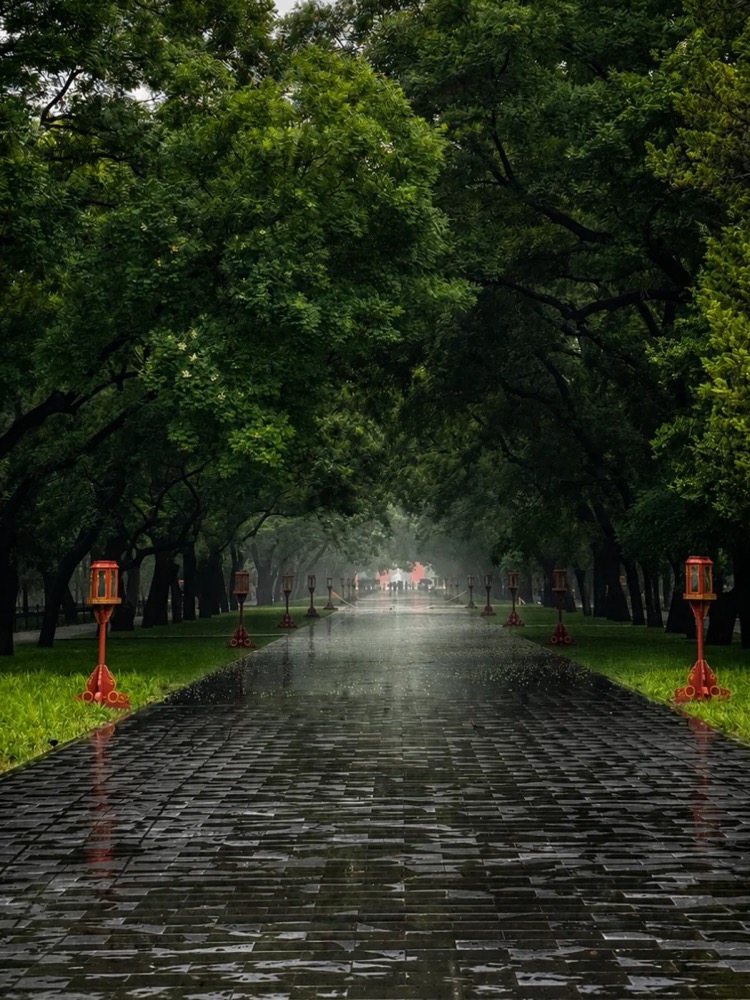
- Choose Temple of Heaven + Qianmen for architecture, parks and an old-city food stop on the same south-central axis.
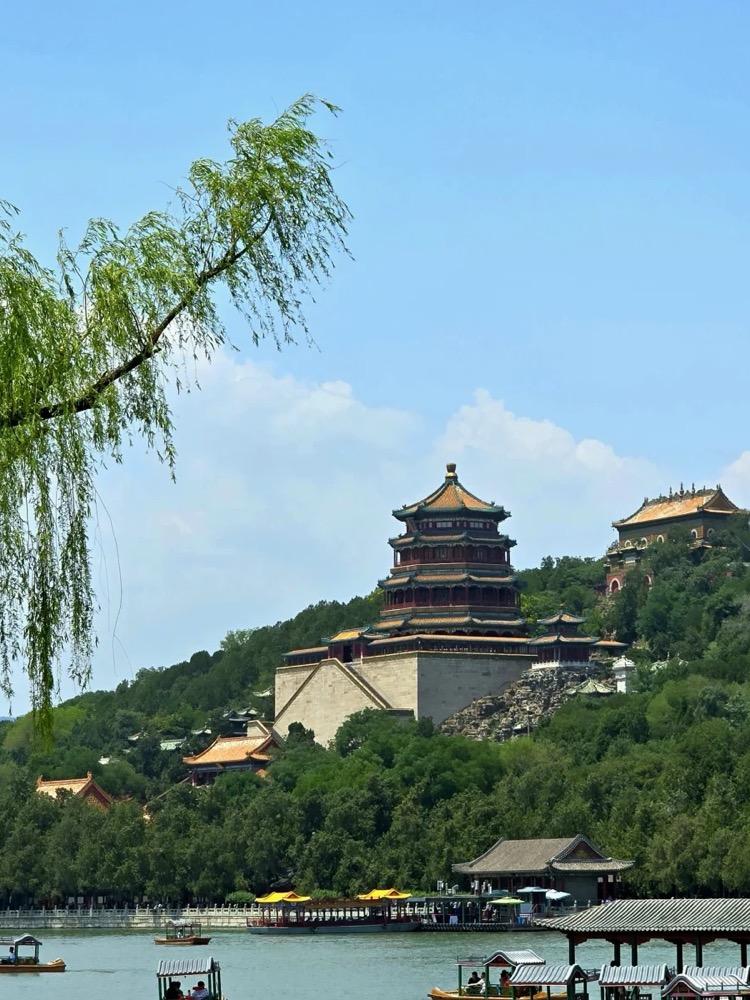
- Choose the Summer Palace for gardens, lake views and a slower northwest day. The grounds are large enough that adding the Temple of Heaven usually creates more transit than sightseeing.
If you have a fourth day
Add what your first three days deliberately left out: Summer Palace, 798 Art District, Olympic Green, a museum block or a slower hutong afternoon. Do not automatically spend the extra day commuting to another remote headline sight.
Where to stay on a first trip
My safest default is Wangfujing or Dongdan near a useful metro station. Qianmen is strong for the south-central route and evening atmosphere. Sanlitun or Guomao suits nightlife and business better than an imperial-sight-heavy first trip. A Universal-focused stay is a separate decision, not a general Beijing base.
The rule is simple: compare the walking route from the exact hotel entrance to the metro, not just the district name. A famous hotel one kilometre from the station can add thousands of steps across three days.
Use the full Beijing hotel and neighbourhood guide to compare Wangfujing, Qianmen, Guomao, Sanlitun, hutong stays, Universal Studios and both airports.
How to move without wasting the day
Start with the Beijing airport-to-city guide for PEK/PKX rail fares, late arrivals and the correct car pickup area.
- Use the metro for cross-city legs and walking for clusters.
- Save each destination’s Chinese name and entrance gate; one attraction can have several unusable drop-off points.
- Do not judge Beijing distances by how close two labels look on a national map.
- Leave spare time around Tiananmen and the Forbidden City for security checks.
Open our interactive Beijing tourist map before booking the hotel. It separates the compact central cluster from the Summer Palace, modern east Beijing and full-day places outside the centre.
The mistakes that make Beijing feel harder than it is
- Planning by a top-ten list. Beijing is better planned by axis and reservation day.
- Treating the Great Wall as a morning stop. The transfer and ridge time make it a full day.
- Putting the Summer Palace and Temple of Heaven together. They sit on opposite sides of a very large city.
- Choosing a hotel by brand before location. The exact metro walk has more daily impact.
- Using old booking screenshots. Interfaces, release rules and holiday arrangements change.
Continue planning
For a full Wall day, use our Mutianyu Great Wall guide to separate transport, admission, shuttle and lift tickets. If a rail journey matters more, compare the Badaling route before booking either section.
- Things to Do in Beijing — choose sights by time, weather and interest.
- Beijing Tourist Map — see which places can share a day.
- Mutianyu Great Wall — plan transport, entry and lifts for a full Wall day.
- Beijing airport access — choose a route from PEK or PKX to your hotel.
- Beijing Layover Planner — decide whether leaving the airport is realistic.
Official planning sources
Affiliate link — we may earn a commission at no extra cost to you. Booking is completed on Klook.