City guide
Shanghai Travel Guide (2026): What to Do, How Many Days & Local Tips
A foreigner-first guide to Shanghai in 3-4 days: the Bund, which tower to actually climb, plane tree lanes, real soup dumplings, and the tourist traps locals skip.
Shanghai rewards walkers more than ticket-buyers. The skyline photos sell the city, but what you’ll remember is a slow morning under the plane trees on Wukang Road, a ¥6 ferry crossing the Huangpu at dusk, and biting into a soup dumpling that scalds the roof of your mouth in the best way. Here’s how to do it without burning a day in a queue or overpaying for mediocre snacks near Yu Garden.
If you are still deciding what belongs in the same day, start with my Shanghai tourist map and things-to-do picker. For a work trip, the separate Shanghai CBD map chooses an area by meeting commute rather than skyline.
How many days do you need?
Three full days covers the essential Shanghai: one for the Bund–Yu Garden–Nanjing Road spine, one for the French Concession’s lanes, and one for either Pudong’s towers or a half-day water town. Add a fourth day only if you’re set on Shanghai Disneyland (it eats an entire day, 7:30am to fireworks) or want both Pudong and a water town without rushing. Don’t try to “see Shanghai in two days” — you’ll spend them queuing and commuting. The city is genuinely big.
The Bund vs. Pudong: when to go up which tower
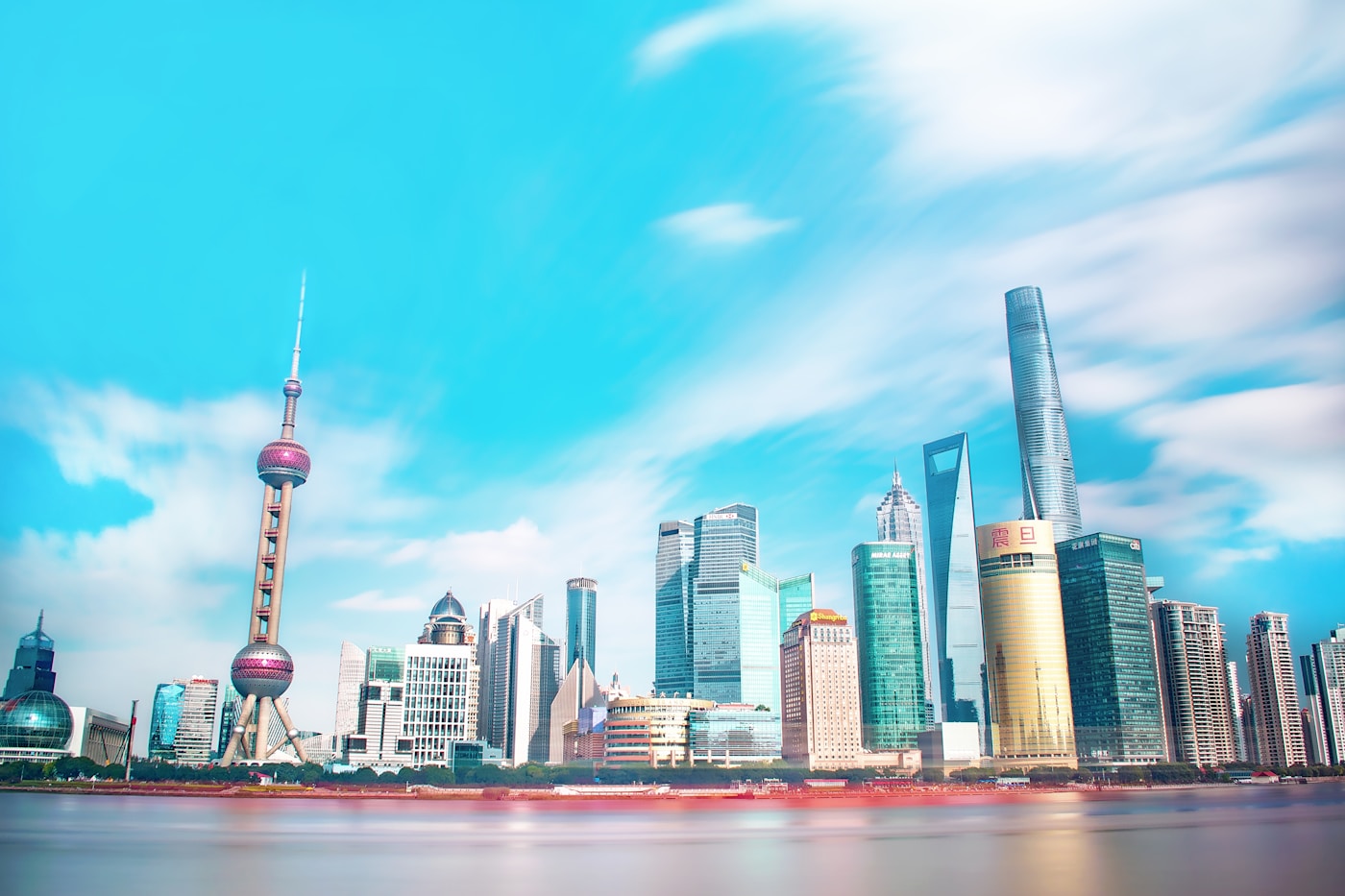
The Bund (外滩) is the colonial-era waterfront on the Puxi side; Pudong (浦东) is the futuristic skyline across the river — the “three towers” (Shanghai Tower, Jin Mao, the World Financial Center) plus the Oriental Pearl. Most people get the geography backwards: you photograph the skyline from the Bund, and you photograph the Bund from a tower in Pudong.
Go to the Bund twice. At dawn (6–8am) the Wanguo “international architecture” buildings are yours alone and the light is soft. At dusk, the Pudong skyline lights up around sunset — magical, but you’ll share the railing with thousands. The Waibaidu Bridge and the platform at the north end (Bund Source) give you both riverbanks in one frame with fewer elbows.
For going up, here’s the honest comparison:
| Tower | Height of deck | 2026 ticket | Worth it for |
|---|---|---|---|
| Shanghai Tower (上海中心) | 546m (Fl. 118) | ~¥180 | Highest deck in the city; wide cityscapes, the Bund looks like a toy town |
| Oriental Pearl (东方明珠) | 263–351m | ¥199–220 | Closer, more detailed Bund/river views; the glass skywalk; retro charm |
| World Financial Center | 474m | ~¥180 | The glass-floor “bottle opener” sky bridge |
Pick one. Shanghai Tower for the loftiest, most modern view; Oriental Pearl if you want the river up close and don’t mind dated interiors. Honest local opinion: many residents skip all of them and get the same skyline free from a riverside bar terrace or the Bund itself.
A suggested 3-day plan
- Day 1 (Classic Shanghai): Bund at dawn → the ticketed Yu Garden and surrounding free Old City after the garden opens → Nanjing Road → free Shanghai Museum (check entry rules) → back to the Bund for the lights, with an optional ferry crossing.
- Day 2 (Plane-tree Shanghai): Wukang Mansion and Wukang Road → Anfu Road’s cafés and boutiques → Wulumuqi/Sinan Road lanes → Tianzifang or Xintiandi’s shikumen alleys → dinner in the Concession.
- Day 3 (Your pick): Pudong and one tower, or a half-day in Zhujiajiao water town, or full-day Disneyland.
Best time to visit
Aim for late March–May or mid-September–November — mild, dry, and the plane trees are at their best. Avoid June–early July (梅雨 plum-rain season: humid, 28–35°C, sudden downpours — pack a folding umbrella) and late July–August (sweaty and packed). Skip the May 1 and October 1 national holidays entirely if you can; every sight is mobbed and hotel rates double. Winter is cold and grey but blissfully uncrowded.
Getting around: metro, Alipay, Maglev
The metro is your best friend — 20+ lines, clean, in English, and it reaches nearly every sight. Set up Alipay before you arrive: link a foreign Visa/Mastercard, then use the in-app “Transport → Metro” QR code to tap through gates. No separate card needed, and it’s how you’ll pay for almost everything else too. Our Shanghai Metro guide compares that QR route with contactless bank cards, single tickets and day passes, then walks through a first ride step by step.
From Pudong Airport (PVG): the Maglev hits 300 km/h and reaches Longyang Road in ~8 minutes (a fun novelty, but it dumps you mid-Pudong, so you’ll still need a metro transfer). For most travelers, Metro Line 2 straight into the city (~60–70 min, a few yuan) or a Didi/taxi is more practical. From Hongqiao (SHA), Lines 2 and 10 put you downtown fast.
Two cheap local moves: the East Jinling Road / Dongchang Road ferry across the Huangpu (~¥2–6, runs until ~10pm) beats the overpriced tourist cruises, and shared bikes (unlock via Alipay) are perfect for the flat, leafy Concession.
Where to stay
| Area (district) | Good for | Vibe |
|---|---|---|
| People’s Sq / Nanjing East Rd (Huangpu) | First-timers; walk to the Bund | Central, lively, on every metro line |
| Former French Concession (Xuhui/Jing’an) | Repeat visitors, café-and-stroll types | Plane trees, boutiques, quieter |
| Lujiazui (Pudong) | Skyline-view hotel splurge | Glossy but sterile after dark |
| Xintiandi / Huaihai Road | Nightlife and dining | Polished, central, pricier |
For a first trip, base yourself in Huangpu near a metro hub. Avoid hotels stranded out near Disneyland unless that’s your whole plan.
Eating: where locals go vs. tourist traps
Skip the snack stalls inside Yu Garden and Nanjing Road’s flashiest storefronts — overpriced and middling. The real stuff:
- Soup dumplings (小笼包): Jia Jia Tang Bao on Huanghe Road — crab-and-pork or pure pork, locals queue for it. The famous Nanxiang at Yu Garden has the longest line and the least reason for it.
- Pan-fried buns (生煎): Da Hu Chun on Yunnan Road — fully-fermented dough, crisp bottom, juicy inside.
- Benbang (Shanghai home cooking): Lan Xin Canteen in the Concession for hongshao rou (red-braised pork) and yan du xian soup; Renhe Guan for crab-roe-over-rice value.
- Cheap classics: scallion oil noodles, pork-chop rice cake, smoked fish, oil-exploded river shrimp.
- Bakery snacks: the butterfly cookies (蝴蝶酥) at the International Hotel — go before 9am or face a long line; Guangming Cun’s fresh-baked pork mooncakes on Huaihai Road.
Day trips: the water towns
The easiest substantial water-town trip is Zhujiajiao (朱家角): canals and stone bridges reached via Metro Line 17 to Zhujiajiao Station, followed by the last mile into the old town. The town itself is free to enter; boats and individual attractions are optional paid choices. Qibao is closer to the urban core on Line 9 and useful if you only have a couple of hours, though it is smaller and more commercial. Wuzhen and Xitang are farther away in Zhejiang; treat either as a separate trip rather than an easy Shanghai half day.
If you want a garden-and-canal day, use our Shanghai to Suzhou train guide before booking; the key mistake is choosing Suzhou North when the old city would be easier from Suzhou Railway Station. If you want a city-and-lake day instead, use our Shanghai to Hangzhou train guide before booking. For both routes, leave enough time for foreign-passport gate checks.
Local tips that save your trip
- Carry your passport — it’s required to enter the Shanghai Museum, the towers, and to get any student/senior discounts.
- Book ahead in-app: Shanghai Tower, Shanghai Museum (free but timed-entry), and Disneyland all need reservations 2–10 days out. Museums and galleries close Mondays.
- Crowds peak 10am–5pm at every headline sight; do popular spots at open or near close.
- Around Yu Garden, ignore the “local specialty” gift shops — pastries are pricey and average. Buy souvenirs from old-name shops on Nanjing Road instead.
- The Concession is best on foot or by bike, not metro-hopping — the magic is in the side lanes (Wuyuan, Ferguson, Anfu Roads).
What to skip
- Tourist Huangpu River cruises — overpriced; the ¥6 commuter ferry gives you the same skyline.
- The Bund Sightseeing Tunnel — a kitschy, expensive light-show train under the river. Take the ferry or metro.
- Climbing more than one tower — diminishing returns and double the cost.
- Nanjing Road as a “shopping destination” — fine for a walk-and-snack, but it’s chain stores and crowds, not bargains.
- Cramming Disneyland into a day that also has city sights — it’s all-or-nothing.
Before you go
A few things to sort out before you land so you’re not fumbling at the airport:
- Visa: Many nationalities qualify for visa-free transit of up to 240 hours (10 days) through Shanghai — check the current rules in our visa-free guide.
- Connectivity: You’ll want a China eSIM with a built-in VPN-friendly setup so Maps, your home apps, and translation all work day one — see our eSIM guide.
- Payments: The single most important prep step is linking a foreign card to Alipay so you can pay and ride the metro like a local — walk through it in our Alipay-for-foreigners guide.
Sort those three out in advance, set your clock to JST−1 (Shanghai is UTC+8), and the rest of the city is yours to wander.