First trip setup
Your first China trip, in the right order
A time-ordered China travel checklist for first-time visitors: entry rules, the free arrival card, eSIM and mobile payments, essential apps, passport train tickets, hotel registration and what to do when something fails.
Three setups decide whether the first hour works: entry permission, mobile data and a way to pay. Your passport then ties the bookings together. The rest of the checklist is backup.
This checklist is for a short, independent trip to mainland China. It tells you what to finish and when, then sends you to the detailed guide only when you need it.
If your flight is tomorrow, do these five things
- 1Check your exact entry permission.
Use your passport nationality, purpose, entry port and onward route. A social post saying “China is visa-free now” leaves out the test that decides your case.
- 2Install working mobile data.
Buy and install a travel eSIM, or enable a roaming plan. Keep your home SIM active if your bank sends approval codes to it.
- 3Set up one payment wallet.
Install Alipay, complete the requested identity steps and link a Visa, Mastercard or another supported card. Bring a second card and some cash.
- 4Complete the official arrival card.
It is free. Save the confirmation or QR code offline, together with your flight and hotel details.
- 5Save your first destination in Chinese.
Keep the hotel name, street address and phone number as a screenshot. “The hotel near People’s Square” is not enough for a driver.
If those five are done, you can buy a metro ticket from a machine, ask a staffed railway gate for help and use a hotel front desk for the rest. A missing optional app can wait.
Before booking: decide how you are entering China
Start with the document, not the airfare.
1. Identify your entry path
There are three common short-visit paths:
| Entry path | What decides it | The mistake to avoid |
|---|---|---|
| Tourist/business visa | Nationality, purpose and the visa already in your passport | Assuming a previously issued visa is still valid without checking its entries and expiry |
| 30-day visa-free entry | Passport nationality and permitted purpose | Treating a social-media country list as current law |
| 240-hour visa-free transit | Nationality, eligible port and a genuine onward trip to a different country or region | Booking a simple round trip and calling it “transit” |
The Chinese Ministry of Foreign Affairs maintains the current official FAQ for unilateral visa-free entry. The 30-day scheme does not cover U.S. passport holders as checked on 10 July 2026. Read our U.S. passport guide or test a multi-country itinerary with the 240-hour transit checker.
Carry evidence that matches your stated trip: onward or return transport, accommodation and a simple itinerary. Border officers make the final entry decision.
Before paying for non-refundable travel, also review your own government’s current advisory and the difference between everyday safety and legal-risk warnings in our China travel safety guide. Advisory levels can change, so use its official source links as the final check.
2. Check the domestic holiday calendar
China’s public holidays change the trip long before you arrive. Trains sell faster, attraction reservations tighten and hotels raise prices. In 2026, the three periods first-time visitors should notice are:
- Spring Festival: 15–23 February.
- Labor Day: 1–5 May.
- National Day: 1–7 October.
These dates come from the official 2026 public-holiday notice. If you cannot change the dates, reduce the number of city transfers and reserve the non-negotiable parts early. Our month-by-month China guide covers weather and crowd trade-offs.
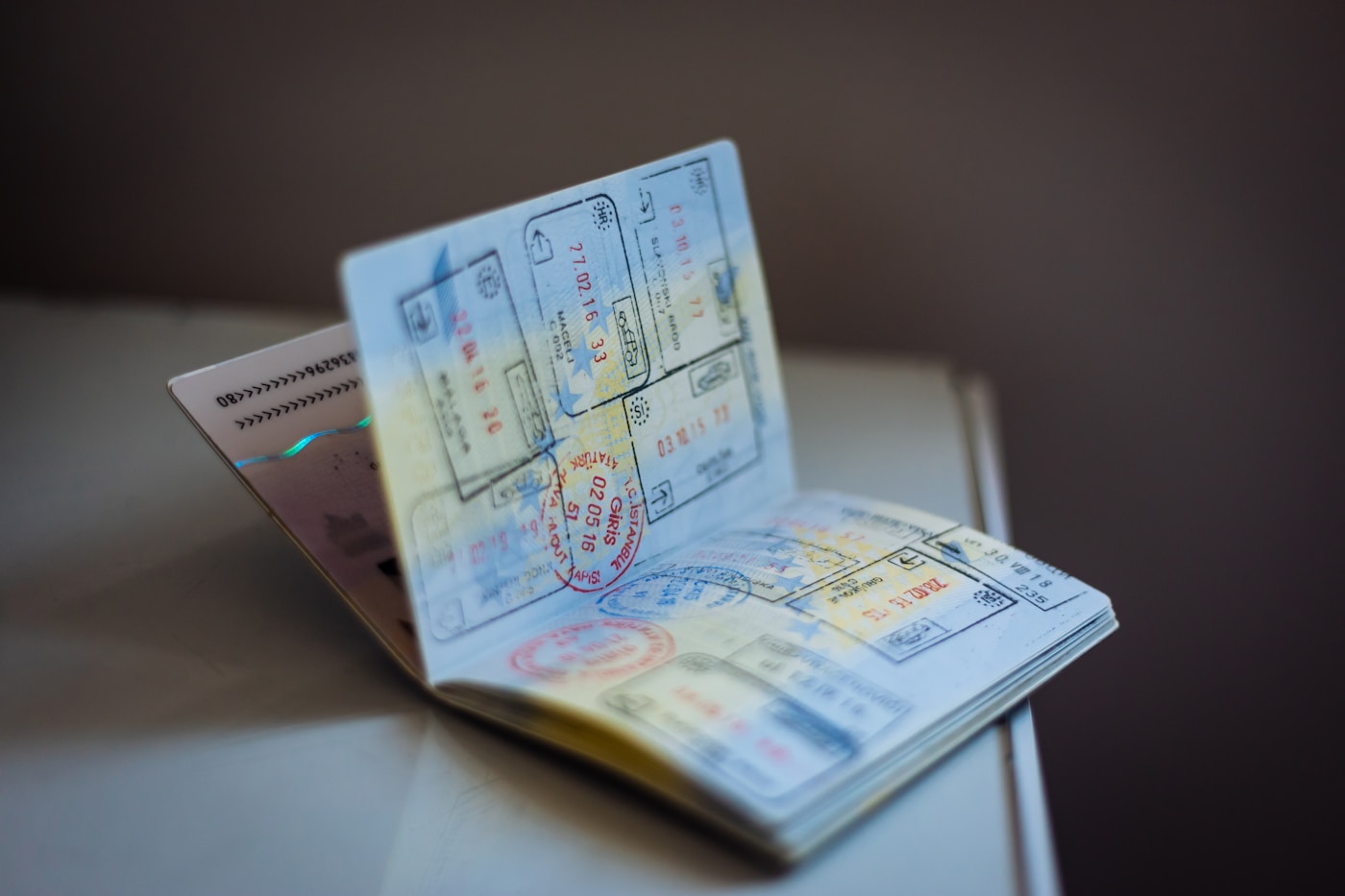
3. Make the passport name your single booking name
Use the name and document number exactly as shown on the passport you will carry. Check flights, hotels, trains and timed attractions before paying. A missing middle name may be harmless in one system and a problem in another; consistency is the safest default.
One week before: build the phone stack in dependency order
Your phone holds the map, booking, translation, payment method and often the transport QR code. Set it up while you still have stable home Wi-Fi and easy access to your bank.
1. Data first
Choose one working primary connection and one realistic fallback:
| Primary connection | Good for | Check before paying |
|---|---|---|
| International travel eSIM | Short trips and immediate data after landing | Phone compatibility, hotspot rules, whether normal overseas apps work in mainland China |
| Home-carrier roaming | Keeping your normal number and bank messages simple | Daily price, data cap and whether tethering is allowed |
| Mainland physical SIM | Longer trips or services that insist on a +86 number | Passport registration, store hours and the fact that a local data route does not automatically restore blocked overseas services |
Most short-trip tasks do not require a mainland Chinese number. Some local services—food delivery, restaurant queuing, bike rental or account recovery—may still ask for one. For a short trip, those services are usually optional. Use the travel-without-a-Chinese-number setup to separate SMS, data, payments and rides, then read the China eSIM checklist before choosing a plan.
Keep your home SIM available for SMS or banking verification, but disable expensive data roaming if the eSIM is carrying your data.
2. Payment second
Official Chinese guidance says overseas visitors can use mobile payment, bank cards and cash. Alipay and WeChat Pay support linking eligible international cards, but the issuing bank still has to approve the link and later transactions. The official payment guide also confirms that cash remains a valid option and can be withdrawn at compatible ATMs.
For a short trip, use this stack:
- Alipay with one linked foreign card as the first wallet.
- A second card from a different issuer or network in case the first bank blocks a transaction.
- WeChat Pay if setup works for you, especially as a second merchant-payment route.
- A small amount of RMB cash for a broken QR flow, small bus fare or a phone with no battery.
A card shown inside the app can still fail on a personal collection code, a particular mini program, a merchant category or a bank security check. Our Alipay guide for foreign visitors shows the merchant-QR and fallback sequence.
3. Install only the apps with a job
| Job | First choice | Useful fallback |
|---|---|---|
| Pay and access mini programs | Alipay | WeChat / WeChat Pay |
| Maps and place names | Amap in English or Apple Maps in mainland China | Hotel address screenshots |
| Ride-hailing | DiDi or the ride-hailing entry inside Alipay/Amap | Licensed taxi and a Chinese destination card |
| Trains | China Railway 12306 or its English website | Trip.com or a staffed station counter |
| Translation | Your preferred translation app with Chinese downloaded offline | Saved phrases and hotel help |
The short China travel app list explains what each app is for. Stop after the apps with a confirmed job; extra mini programs often ask for permissions, identity steps or a Chinese number before you know whether you need them.

4. Set up trains and reservations that use your passport
China Railway’s official English service accepts valid foreign passports. Complete identity verification before the day you want to buy. Your passport—not an itinerary printout—is the identity document used with an electronic ticket. The official 12306 FAQ explains the accepted document and e-ticket rules; our foreigner train guide covers 12306 versus Trip.com, name matching and manual station gates.
For attractions, check the official booking channel for every place you would be upset to miss. Free museums can require advance reservations too. Save the booking confirmation and the exact passport used.
Before boarding: finish the documents and pack for the route
Complete the free official arrival card
Since 20 November 2025, foreign travelers can submit entry information online through the National Immigration Administration. The service is free. Use the official NIA arrival-card page or the verified NIA 12367 channels; close any imitation site asking for a filing fee. Travelers unable to complete it beforehand can still use port devices or a paper card on arrival. The NIA notice lists the limited exemptions.
Fill it after your first accommodation and inbound transport are stable. Save the QR code or confirmation as a screenshot. Our arrival-card guide covers family submissions, transit, hotel addresses and fake paid sites.
Make one offline folder
Save these where they open without mobile data:
- Passport information-page copy and the visa page, if applicable.
- Arrival-card confirmation.
- Inbound and onward transport.
- First hotel name, Chinese address, telephone number and booking number.
- Travel-insurance assistance details.
- One emergency contact and your embassy or consulate contact page.
- The last four digits and overseas support numbers for the cards you are carrying.
The copies help you find information; they do not replace the original passport where the original is required.
Check the power bank against your actual itinerary
The CCC/3C rule is often repeated too broadly. The Civil Aviation Administration of China prohibits power banks without a clear CCC marking, or from recalled batches, on domestic flights within China. The rule took effect on 28 June 2025. Read the CAAC notice if your itinerary contains a Chinese domestic flight.
This is a domestic-flight rule, not a blanket ban on every power bank arriving on an international flight. Enter the capacity, CCC status and each flight sector in our China Power Bank / 3C Checker. Railway travel has different security screening and battery rules.
Check food, medicine and other customs-sensitive items
Keep medicines in their original packaging and avoid guessing about fresh food, meat, seeds or animal products. The China customs item checker separates ordinary personal effects from items that should be declared or left at home.
Build the complete document, phone, payment, clothing and baggage list in the shareable China packing checklist. It saves progress locally and can be copied, printed or sent as a link.
After landing: follow the first 30 minutes in order

- Clear immigration with the original passport and your entry documents. Keep the arrival-card confirmation available. If you could not submit online, use the port’s official device or paper process.
- Turn on your primary data connection. Confirm that a map, your hotel booking and your bank app load. Do this before moving away from airport Wi-Fi.
- Test one small payment. Buy water or a small item from a normal merchant checkout. This tests the data connection, wallet, linked card and issuing-bank approval in one low-stakes transaction.
- Open the destination you saved in Chinese. Check the arrival terminal and pickup point before ordering a car. At Pudong, compare the Maglev, Metro Line 2 and taxi in our airport-to-city guide.
- Keep the fallback reachable. Put the physical card, cash and charging cable in your hand luggage.
The airport is a good place to discover a failed setup. It still has staffed desks, Wi-Fi, ATMs and transport counters. The roadside pickup zone at midnight is not.
Your first day: confirm registration and tomorrow’s transport
Check that accommodation registration is covered
At a hotel, show your original passport at reception. The hotel handles the required accommodation registration and submits the information to the public-security authorities.
If you stay in a private home or another non-hotel address, you or the person hosting you must register with the local public-security authority within 24 hours of check-in. This is the official rule, not a hotel preference; see the National Immigration Administration’s accommodation-registration guidance. Local online and in-person procedures vary, so ask the host or call the NIA 12367 service when unsure.
Independent small hotels and homestays may be unfamiliar with the procedure even when they accept the reservation. Confirm before arrival if the property is outside a major visitor area.
Learn one transport flow before a busy morning
Open the local transit section in Alipay or buy a single ticket at a station. Learn the QR flow before the morning of a timed Forbidden City reservation or a high-speed train. For rail travel, arrive with the original booking passport and use a staffed/manual lane if the automatic gate does not read it.
When the setup fails
Stay inside the airport or hotel Wi-Fi zone
Check the eSIM line, data roaming and APN instructions. If that fails, enable the home carrier’s roaming day pass or buy a registered physical SIM from an official counter.
Change one variable at a time
Try the other wallet or card, then cash. If the bank app shows a security prompt, approve it on a trusted connection. Ask for a merchant payment code rather than repeatedly scanning the same personal collection code.
Decide whether the service is essential
Basic maps, hotels, trains and merchant payments have foreigner-accessible routes. Food delivery, restaurant queues and some bike systems may not. Use the staffed or web alternative before buying a local SIM for one optional task.
Move to the staffed lane
At a railway station, show the original passport used for the ticket. An itinerary screenshot cannot replace the booking passport at the gate.
Show the booking number and passport spelling
Search both the English and Chinese property name. If a third-party booking is missing, call its support while you still have data and keep the hotel address visible for the next driver.
Close the page
The official NIA arrival-card filing is free. Reopen it from an NIA government page or use the verified port process.
The checklist you should be able to answer “yes” to
- I know whether I am entering with a visa, 30-day visa-free entry or an eligible transit route.
- I checked the official 2026 holiday calendar against my city-transfer dates.
- Mobile data will work when the aircraft lands, and I have a fallback.
- Alipay has a linked card; I am also carrying another card and some cash.
- My map, translation, train and booking apps are installed and signed in.
- Every booking uses the same passport spelling and number.
- The free official arrival card is complete, or I know I will use the official port process.
- My first hotel address and key confirmations are saved offline.
- If I have a domestic flight in China, my power bank has a clear CCC/3C mark and is not recalled.
- I know that a hotel registers my stay, while a private address requires registration within 24 hours.
Once entry, data, payment, navigation and the first night are covered, stop adding apps. Keep the fallback card and hotel address where you can reach them.
Run the China travel without internet drill once before departure so the hotel, payment and transport fallback still works when the phone is offline.
Choose the guide that matches your trip
- China itinerary planner — decide how many bases fit 7, 10, 14 or 21 days before buying domestic transport.
- What to book in advance — separate route-critical reservations from things that should stay flexible.
- China with kids — use family train rules, hotel checks and a one-anchor-per-day rhythm.
- Solo female travel in China — build safer arrival times, accommodation registration and phone backups into the route.
- Zhangjiajie guide and map — separate Tianmen Mountain, Wulingyuan and the Grand Canyon before choosing a hotel.
If the setup is done but the numbers are still vague, build the trip with our one-week China budget, which separates international flights from daily costs and shows three realistic route patterns.