Silk Road desert field guide
Plan Dunhuang around the cave ticket, not the desert photograph
A practical Dunhuang guide for 2026: how many days, Mogao Caves ticket logic, a two- or three-day itinerary, desert timing and transport.
- 2 full days minimum
- Mogao ticket first
- Desert late in summer
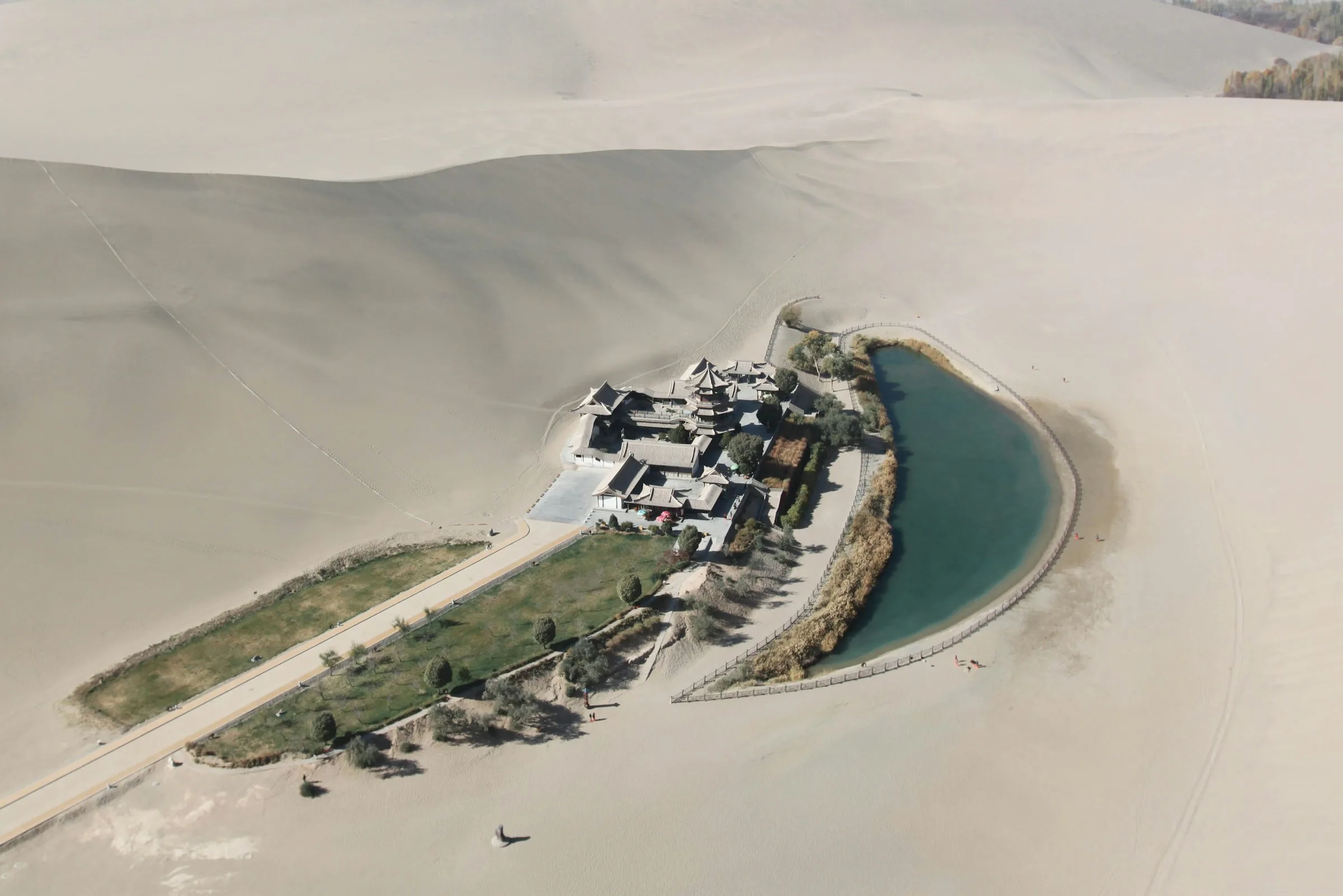
Dunhuang looks compact on a list because the famous names are short: Mogao, Mingsha, Crescent Spring, Yumen Pass. On the ground they belong to different landscapes, different ticket systems and different parts of the day.
My planning rule is to separate culture from desert. Fix the Mogao Caves appointment first. Build the desert around heat and sunset. Only then decide whether the long western excursion deserves another day.
How many days in Dunhuang?
| Time | What fits honestly | What I would leave out |
|---|---|---|
| 1 full day | Mogao Caves + Mingsha Mountain at sunset | The western line |
| 2 full days | Mogao + museum/city; desert as a separate late day | A rushed Yadan return |
| 3 full days | Add Yumen Pass/Yadan or another focused excursion | A fourth “famous” stop just to fill space |
One day is possible when transport times line up, but it has no resilience. A delayed flight, a fixed cave slot or strong wind can break the whole plan. Two days lets you move the desert visit without sacrificing Mogao.
Book the Mogao Caves first
The Dunhuang Academy’s 2026 notice divides the year into normal and peak-season arrangements and may activate emergency visit products when demand is high. Products differ in whether they include the digital films, the number and type of physical caves visited, shuttle transport and price. Do not reduce the choice to “cheap ticket” and “expensive ticket.” They are different visits.
I would use this order:
- Open the official Mogao Caves Reservation Website and read the current 2026 notice.
- Choose a date and visit product you understand.
- Enter passport information exactly as required.
- Allow time to reach the digital exhibition center before the slot.
- Only then lock non-refundable intercity transport.
The official site says tickets use real-name reservation. Carry the same passport used for booking. Weather, conservation and visitor-capacity controls can change access, so screenshots from an old blog are not a substitute for your dated order.
What the Mogao visit is actually for
Mogao is not a cave hike. It is a conservation-managed visit to a vulnerable ensemble of Buddhist cave art. UNESCO describes 492 preserved cave sanctuaries with art spanning roughly a thousand years. The guided sequence and restrictions protect that work; they also mean you cannot roam independently or photograph every interior.
Go in with a little context. The digital films in the standard visit are not filler: for a first-time visitor they explain chronology and details that are difficult to absorb in a short, dim cave stop. I would keep the rest of that day intellectually light—Dunhuang Museum, a long lunch or an early night—rather than immediately starting a marathon drive.
A two-day Dunhuang plan
Day 1: Mogao and the city
- Timed Mogao Caves visit
- Lunch and recovery in Dunhuang city
- Dunhuang Museum if opening hours and energy align
- Shazhou Night Market as an evening walk, not a compulsory shopping list
Day 2: oasis and sand
- Slow morning or another city stop
- Rest through the hottest part of the day in warm months
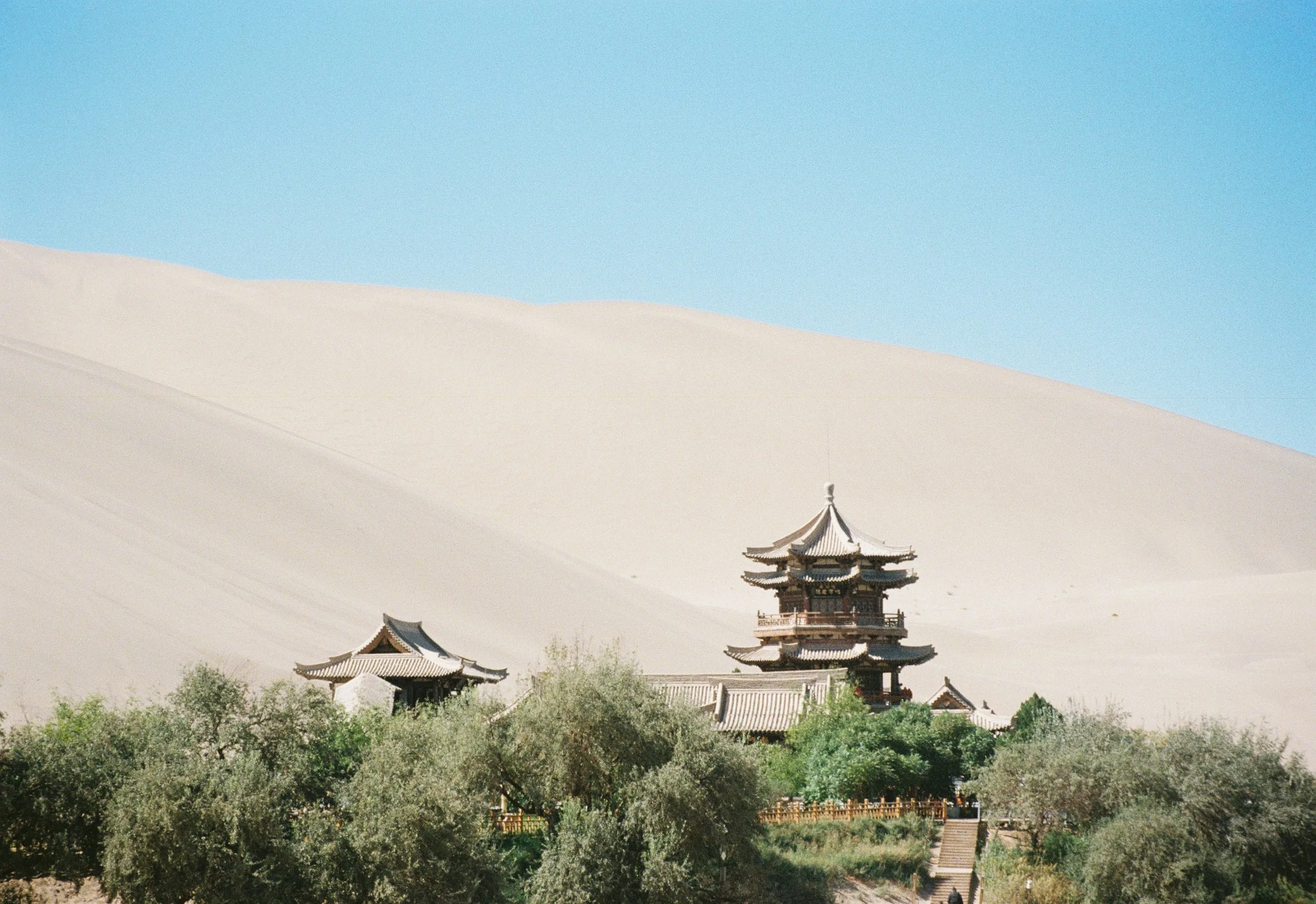
- Mingsha Mountain and Crescent Spring in late afternoon
- Stay for changing light if the current closing and re-entry rules allow
This arrangement seems less “efficient” than stacking the desert behind Mogao. It is more robust. Sand, sun and walking consume more energy than a map suggests.
Should you do the western line?
The commonly marketed western route may combine Yumen Pass, remnants associated with the Han Great Wall, Yadan landforms and other stops. The value is scale and historical geography; the cost is a long day of road time.
I would add it when you have three full days, enjoy arid landscapes and understand exactly which admissions and transport are included. I would skip it on a two-day first visit rather than turn Dunhuang into a windshield tour.
Before booking a car or small group, ask for:
- the named stops and approximate time at each;
- total driving time and return time;
- whether admissions, shuttle buses and meals are included;
- whether there are shopping or staged photography stops;
- vehicle insurance and the cancellation rule for wind or site closure.
Weather, heat and wind
Dunhuang is dry and exposed. Summer sun, winter cold and large day-night temperature changes are not decorative travel-copy details; they determine the useful hours of your day.
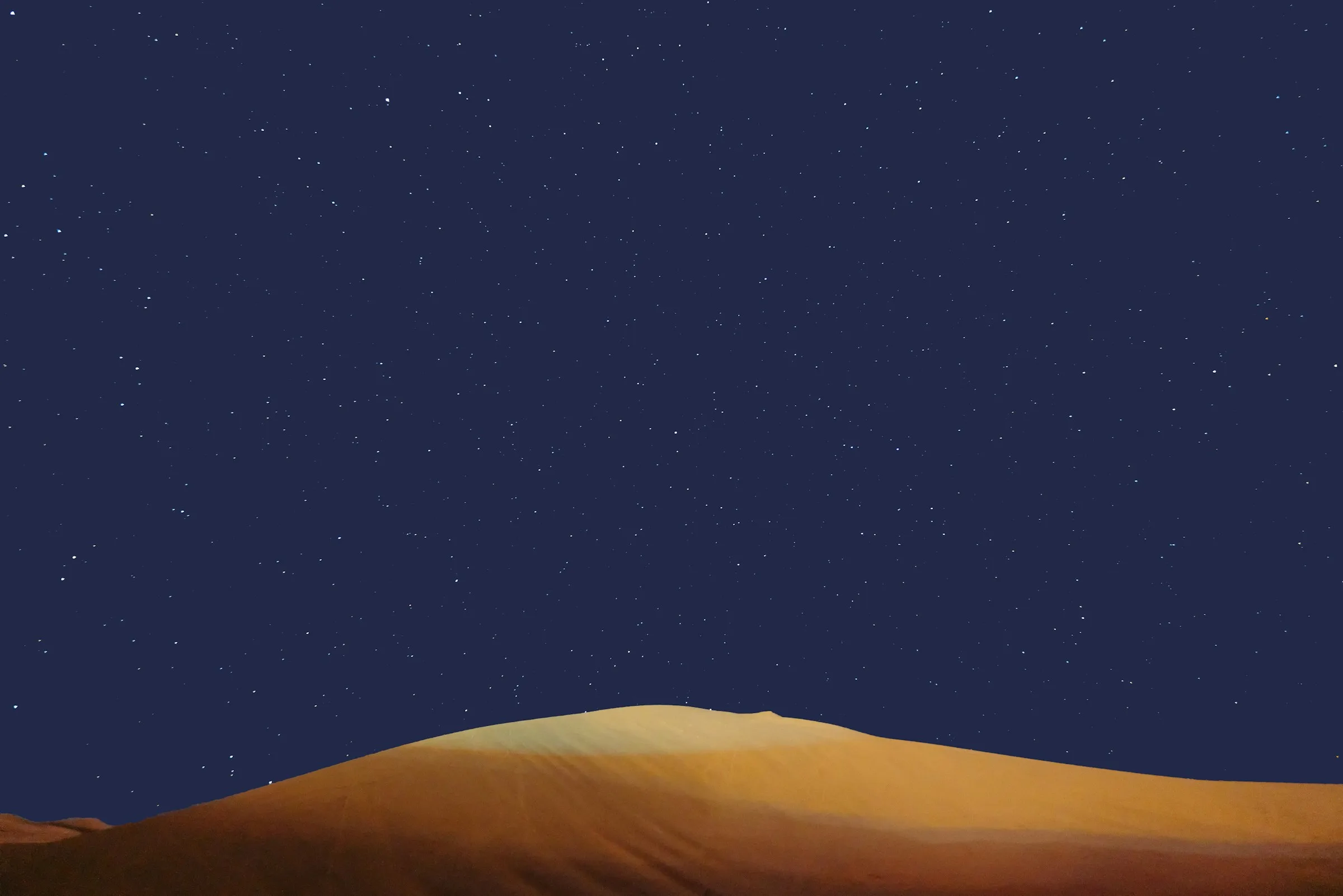
Pack sun protection, lip balm, water and a layer that blocks wind. Use closed shoes on sand. Protect camera equipment from fine grit. In warm months, move outdoor desert time later. In colder months, give the coldest morning and evening hours more respect than the daytime forecast suggests.
Strong wind or heavy weather can affect cave and desert operations. Keep one movable block in a two- or three-day plan and check official notices that morning.
Getting to and around Dunhuang
Dunhuang Airport and Dunhuang railway station sit outside the central restaurant and hotel area. Save your accommodation name in Chinese and confirm the pickup point before leaving a terminal. For the Mogao Caves, follow the address on the official booking confirmation rather than asking a driver simply for “the caves”; the visitor process starts at the designated digital exhibition center.
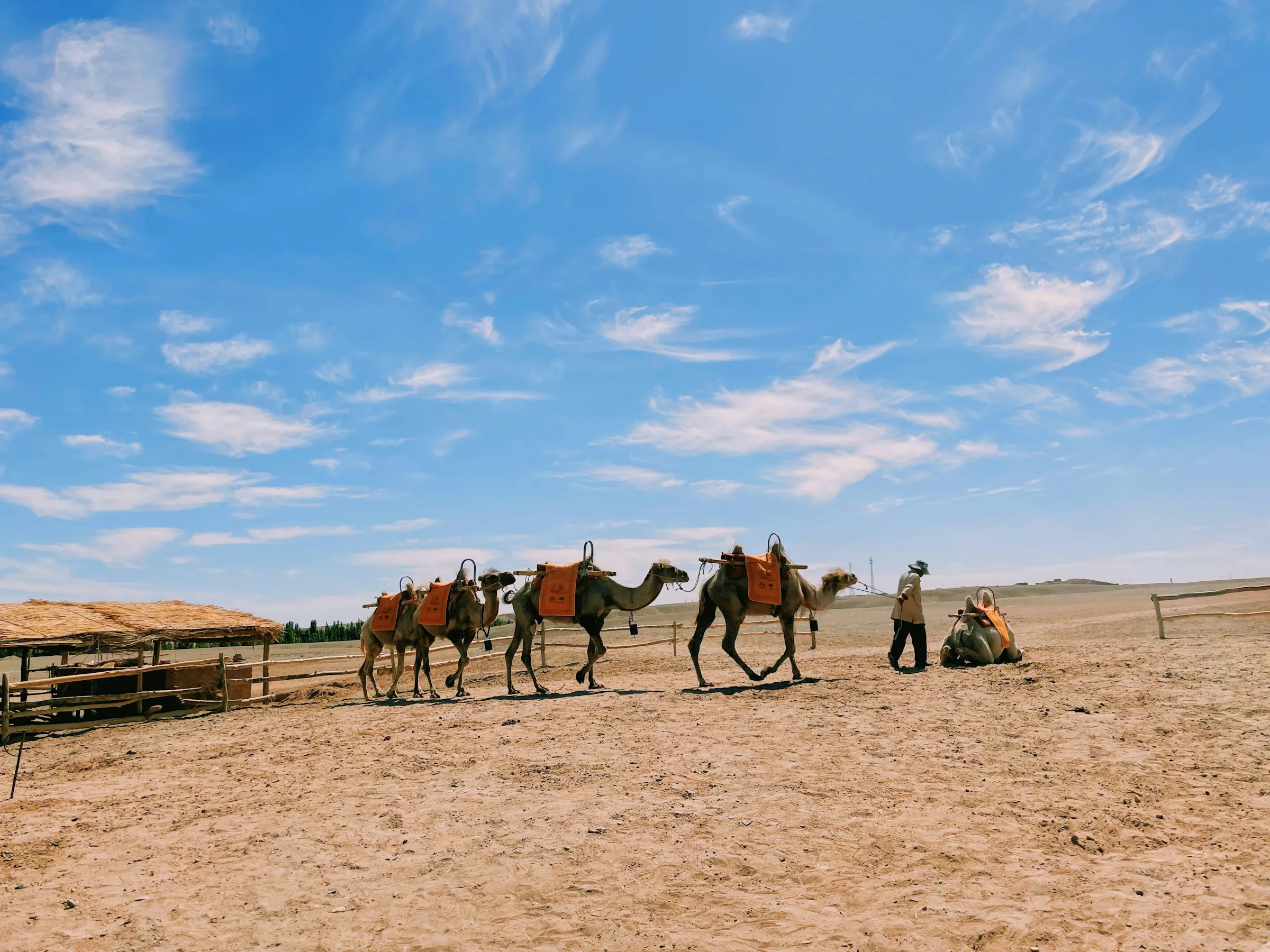
Within the city, taxis and ride-hailing are practical. Mingsha Mountain is close enough for a direct car trip but not a comfortable midday walk from most central hotels. The western line needs planned transport.
Where to stay
For most first visits I would stay in central Dunhuang, within an easy ride of restaurants and the night market but not necessarily directly above its busiest lanes. A desert-side guesthouse can be atmospheric, yet it makes every ordinary meal and early departure more dependent on a car.
Choose the desert edge only if dawn, quiet and landscape are the point of the stay. Choose the city if you want the highest margin for transport changes.
Common questions
Can I buy Mogao tickets on arrival?
Do not plan around that possibility. Use the official reservation website and secure a timed real-name product in advance, especially during peak periods.
Is Dunhuang worth visiting without Mogao?
The desert and Silk Road landscape still have value, but Mogao is the cultural reason most travelers build the journey. If tickets are unavailable, decide whether the desert alone justifies the long detour for you.
Is two days enough?
Yes for Mogao, Mingsha Mountain/Crescent Spring and a small amount of city time. Add a third day for the western route or a slower cultural visit.