Shanxi ancient-city field guide
Pingyao is worth it when you understand what the ticket unlocks
Plan Pingyao by time and interest: free old-city entry vs paid sights, one- and two-day routes, railway stations, where to stay and honest skips.
- 1 day + 1 night
- Free streets, paid sites
- Two railway stations
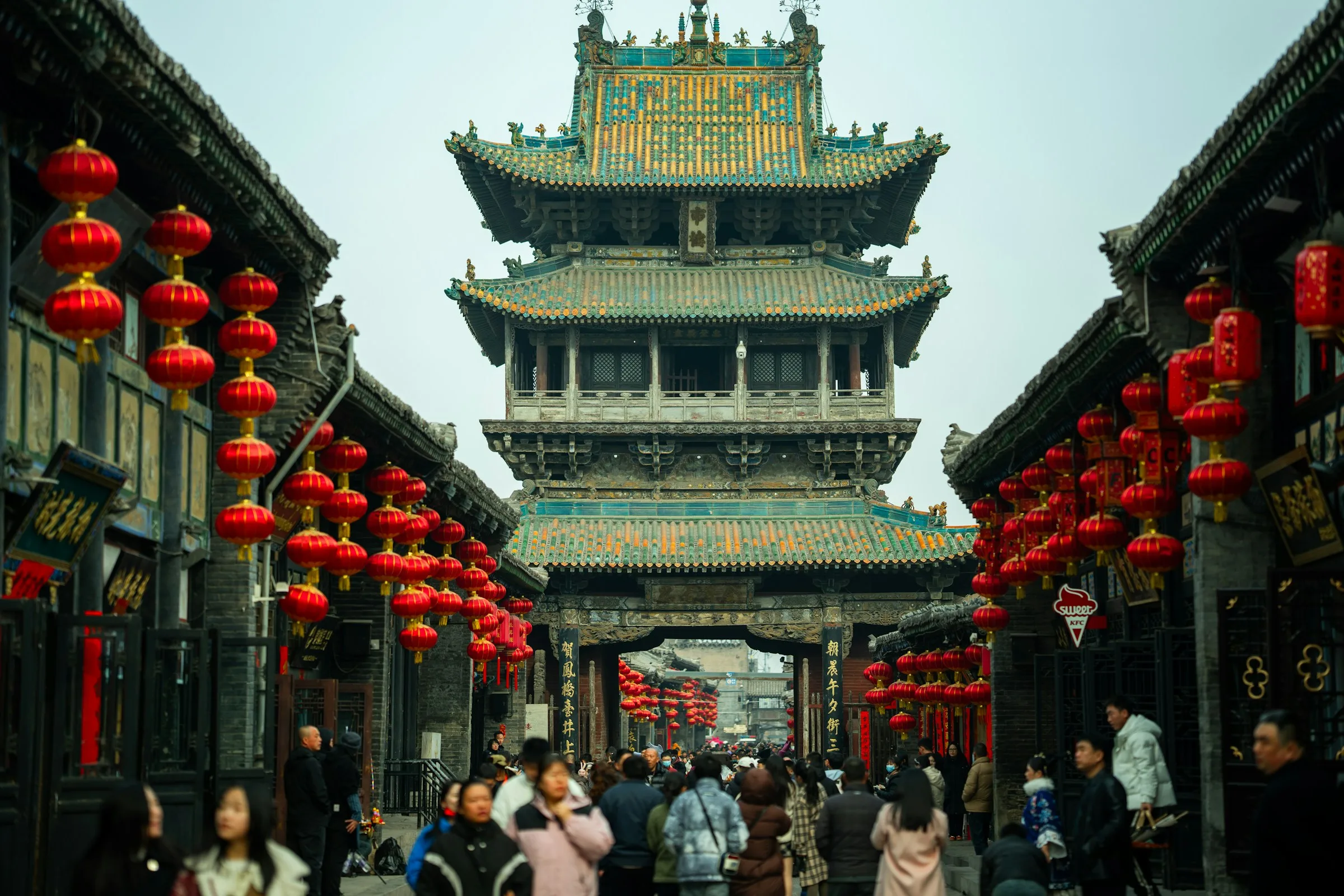
Pingyao disappoints travelers who expect every lane to look untouched. The main commercial streets carry restaurants, portrait studios and repeated souvenir signs. Yet the city is not a recently built “ancient town.” UNESCO lists the walled city together with Shuanglin and Zhenguo temples as an exceptionally complete record of a traditional Chinese county city and its financial history.
South Street alone is a poor test of Pingyao. The useful visit combines one elevated view, one banking story, one civic building and time in the smaller lanes.
Free old city or paid sights?
You can enter and walk the public streets without buying the monument pass. That is enough for food, night atmosphere, shops, lanes and exterior architecture. It is not the full heritage visit.
The combined ticket commonly covers major sites inside the walls, but inclusions, validity, discounts and access points can change. Check the official sales channel when you arrive or before travel. My decision rule:
| Your time and interest | My choice |
|---|---|
| Under 3 hours, mainly atmosphere | Walk free streets and side lanes |
| Full day, first visit | Buy the current combined ticket |
| Banking or architecture interest | Buy it; prioritize Rishengchang, county offices and wall |
| Traveling with small children who resist interiors | Free walk plus one separately chosen activity if available |
| Returning for food or photography | Skip the combined pass unless one site is unfinished |
Do not try to “recover the ticket price” by entering every included museum. Repetition sets in. Pick four or five places that build a coherent story.
The four stops I would prioritize
1. The city wall
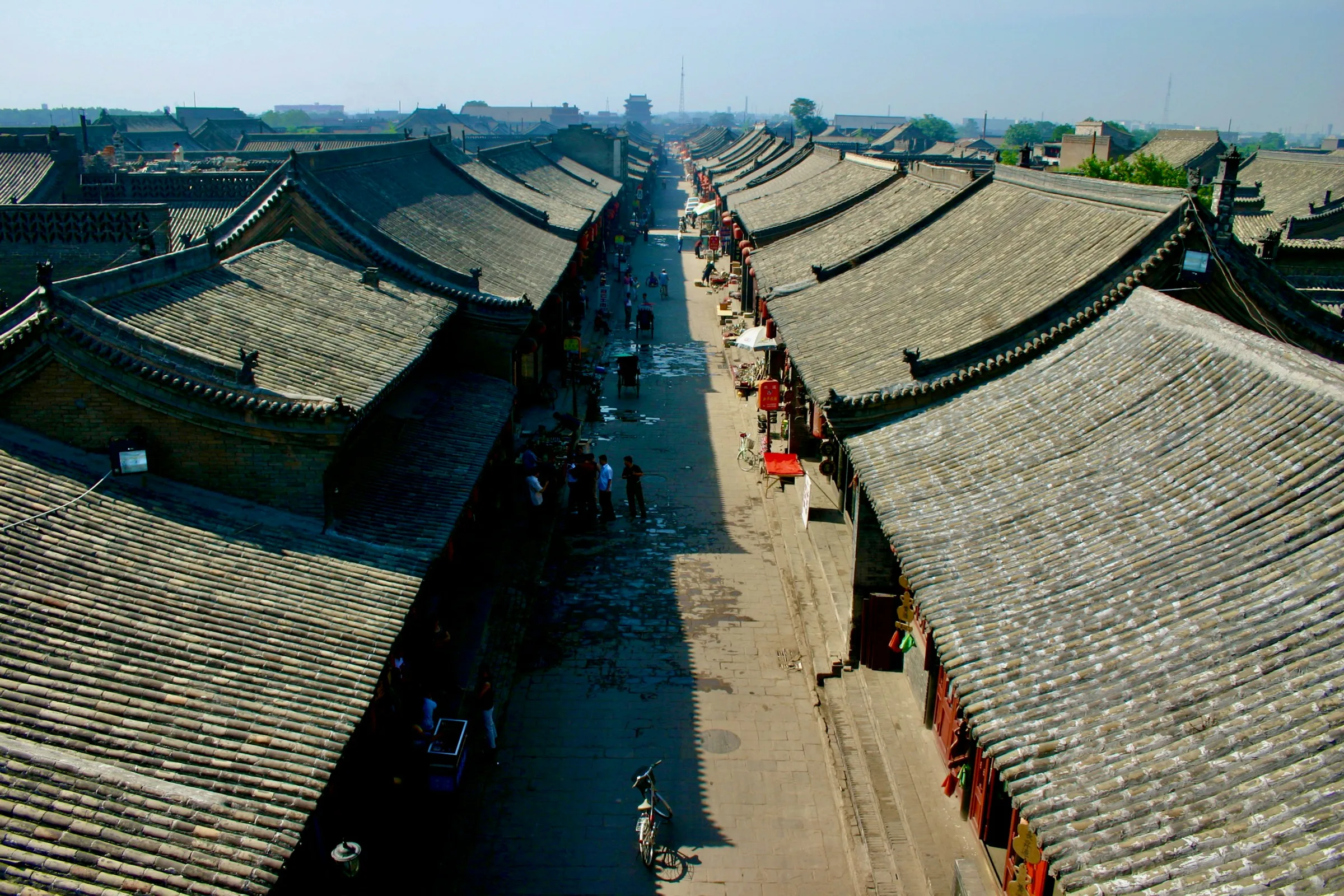
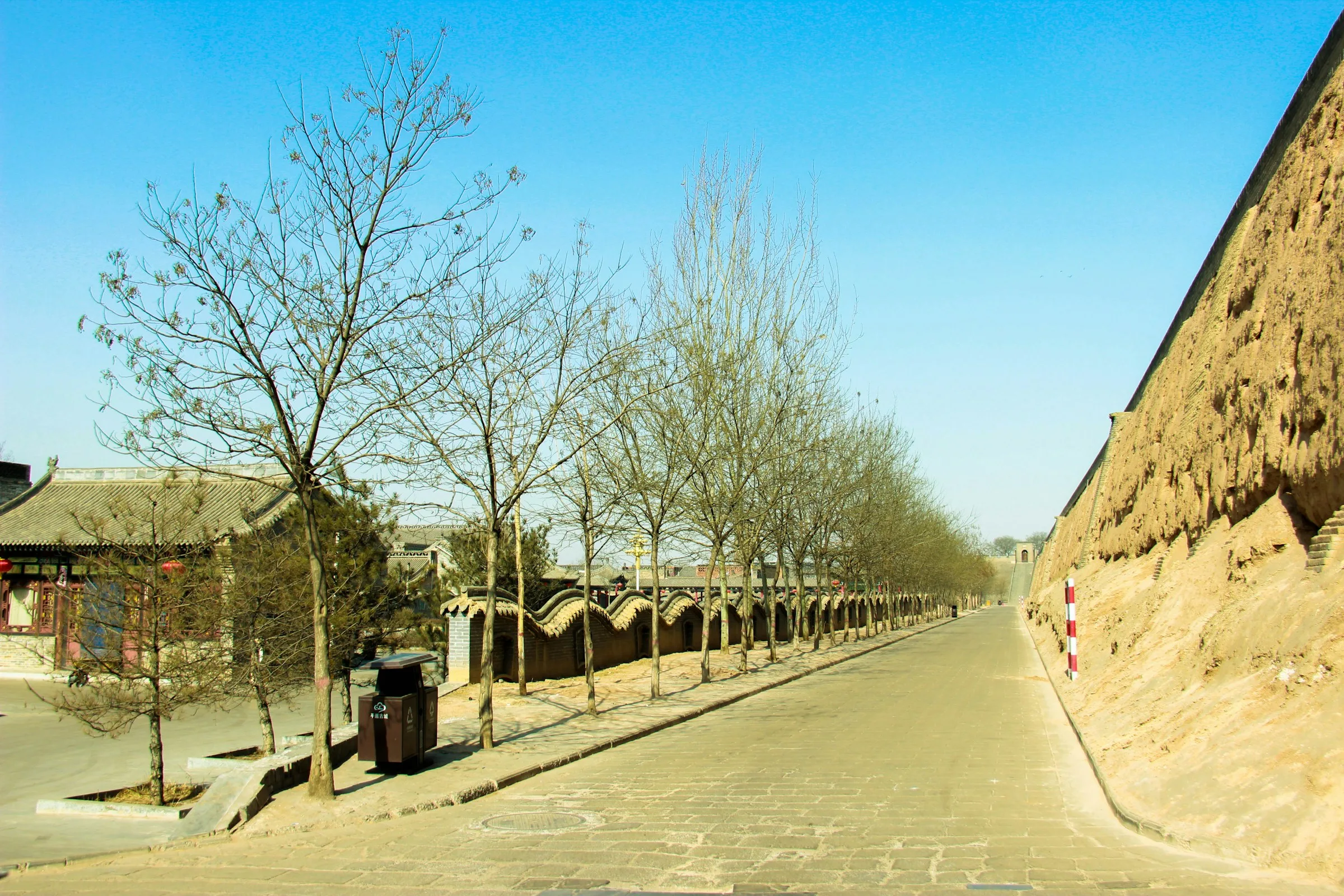
The wall gives you the plan of the city in one look: tiled roofs, the street axis and the scale of the enclosure. Access points and one-way sections can change, so confirm where you can go up and come down that day. Use it early or later in the day when light and temperature are kinder.
2. Rishengchang and the draft-bank story
Pingyao became a major center of Chinese banking in the nineteenth and early twentieth centuries. Rishengchang is the clearest starting point for understanding how remittance networks reduced the need to move silver physically across long distances. Without that story, several merchant compounds can blur into similar courtyards.
3. The county government complex
The former yamen adds the civic and legal side of the city. Allow time for rooms, courtyards and the relationship between public administration and private residence instead of arriving only for a scheduled performance.
4. One temple or guild/escort museum
Choose according to interest. A Confucian temple, city-god temple or escort-agency museum contributes more than a sixth finance house when your attention is fading.
One day, one night or two days?
One focused day
Start at the wall, move into the county government and South Street, then choose Rishengchang plus one contrasting site. Walk smaller lanes before dinner. This is enough to understand the city if you arrive early and do not chase every ticket inclusion.
One day and one night
This is my default. The commercial center is easier to read before day groups arrive and after they leave. Use the evening for dinner and a slow circuit; keep monument interiors for daylight.
Two days
Use the second day for Shuanglin Temple, not another full lap of shops. UNESCO includes Shuanglin and Zhenguo temples in the World Heritage property. Shuanglin's painted sculptures give the trip an art-history dimension absent from the merchant streets. Arrange transport; it is outside the walled city.
Which railway station?
Pingyao Station (平遥站) handles conventional trains and is close to the historic city. Pingyaogucheng Railway Station (平遥古城站) handles high-speed services but is farther away. The English name makes the high-speed station sound as if it sits at the gate. It does not.
Check the Chinese characters on your ticket before choosing a hotel pickup. From Pingyaogucheng Station, use the current official bus, a licensed taxi or app ride-hailing. Ignore anyone who says your only option is an unmetered private car.
Where to stay
Stay inside the walls for atmosphere and early/late walking. Choose a side lane rather than the busiest portion of South Street if noise, wheeled luggage or vehicle access matters. Heritage courtyards can have steep thresholds, stairs and rooms built around open yards; ask about heating, air-conditioning, bathroom layout and luggage help rather than booking from photos alone.
Stay outside the walls for easy car access, a lift and simpler transfers. You can still walk in for the evening. I would prioritize comfort outside over a poor-quality courtyard room on the main strip.
Commercialization without the melodrama
The center is commercial because it is a living tourist city. The practical response is not to declare the entire place fake. It is to change streets and control purchases.
- Leave South Street for side lanes when the signs begin repeating.
- Ask the total price before costume photography, makeup or a multi-location shoot.
- Do not let a battery cart replace the walk unless mobility or time requires it.
- Compare menus and order regional dishes because you want them, not because every storefront labels itself “authentic.”
- Avoid holiday weekends if possible; crowd density changes the old city more than any single itinerary choice.
Is Pingyao worth it for you?
I would go if you are already traveling between Beijing, Taiyuan and Xi’an and want an intact urban heritage stop. A larger detour makes sense when Chinese finance, city planning or courtyard architecture genuinely interests you.
I would skip it on a very short first China trip if historic towns are not a priority. A UNESCO label does not create extra days in your itinerary.
Sources and current checks
Continuing through Shanxi? Plan Datong’s Yungang and Hanging Temple days separately from a Pingyao old-city stay.