Chengdu one-hour field guide
Kuanzhai Alley without wasting half a Chengdu day
An honest Kuanzhai Alley guide: who should go, how long to stay, what the three lanes contain, when to visit and where to eat nearby.
- 60–90 min default
- Free public lanes
- Park + lunch pairing
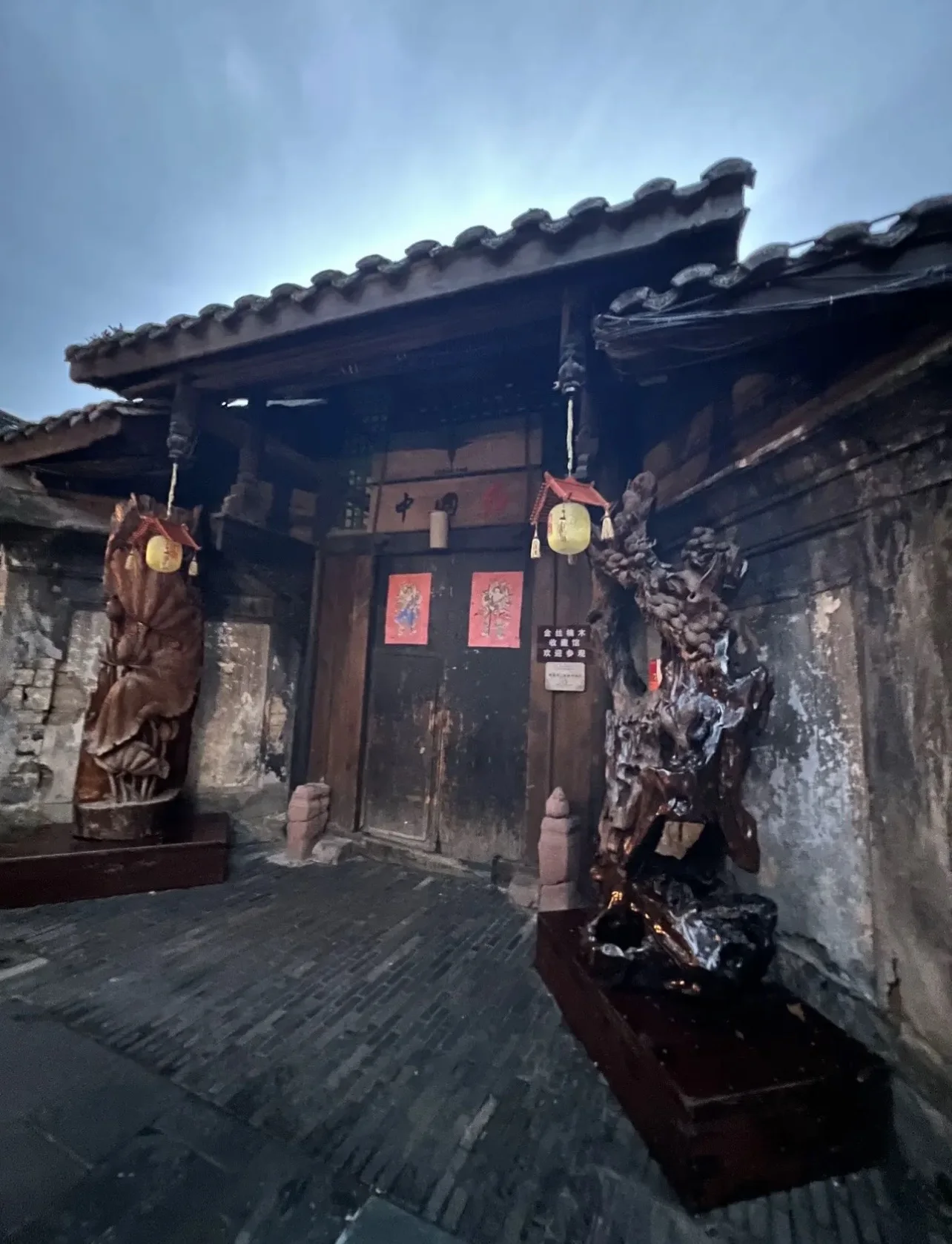
Kuanzhai Alley creates an unhelpful argument online: it is either “essential old Chengdu” or “a commercial street locals avoid.” Both descriptions can be true. The historic street-and-courtyard structure is real; most of the visitor experience is also carefully commercialized.
For me, its best role is a compact orientation stop. It shows you a preserved fragment of the old Shaocheng district, gives you useful architectural details to notice, and places you within walking distance of a better Chengdu afternoon. The mistake is expecting three untouched residential lanes or using the shops as evidence of everyday local life.
What are Kuan Alley and Zhai Alley?
The visitor district is made of three roughly parallel lanes:
- Kuan Xiangzi (Wide Alley / 宽巷子): the broadest and most immediately photogenic lane, with courtyard fronts, teahouses and the heaviest visitor flow.
- Zhai Xiangzi (Narrow Alley / 窄巷子): more restaurant, bar and boutique activity, with smaller changes of scale between doors and courtyards.
- Jing Xiangzi (Well Alley / 井巷子): the lane many rushed visits miss. Look for the brick-history wall and use it as the quieter return leg.
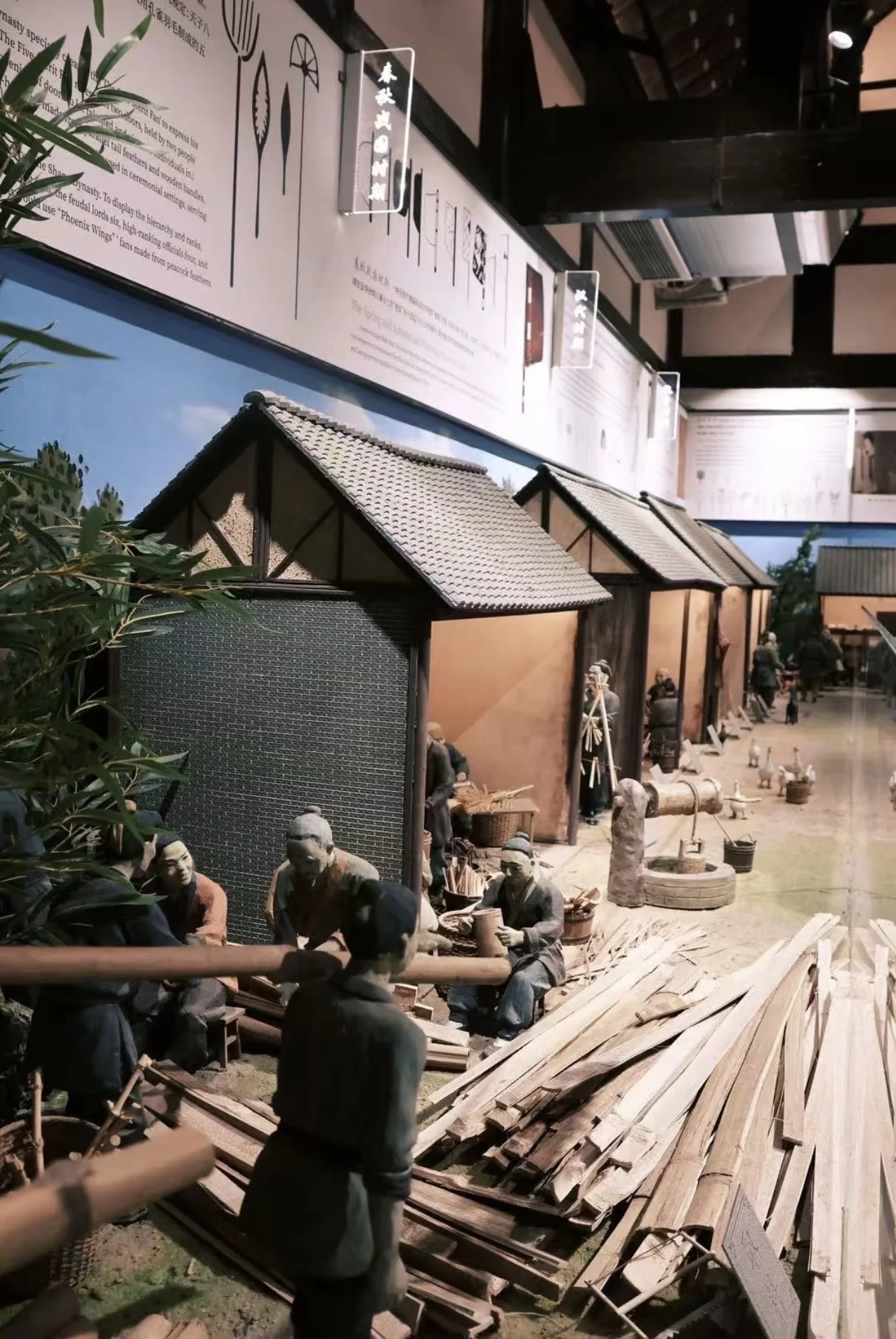
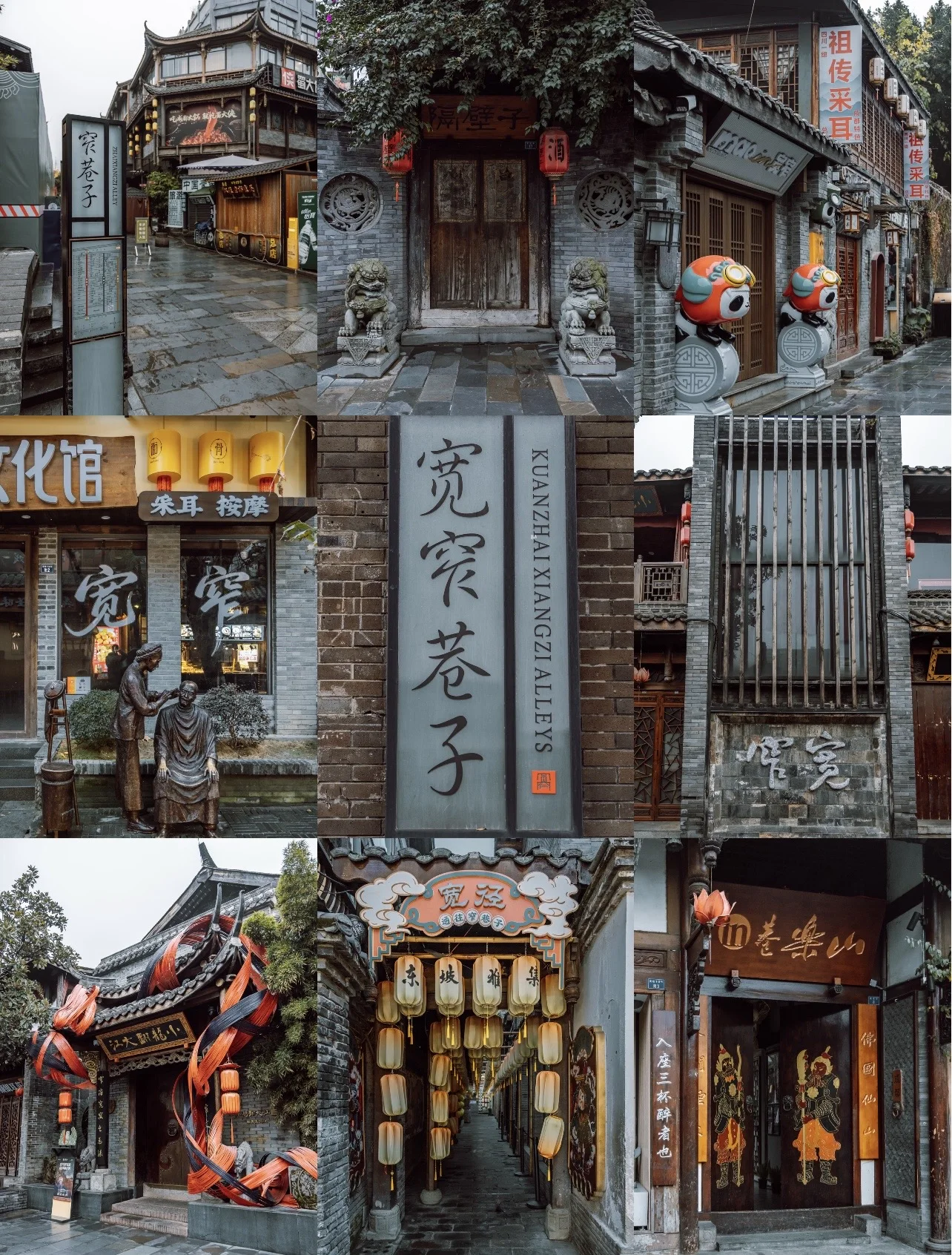
Do not interpret those themes too literally. Businesses change, courtyards may be closed for private use or events, and a lane that feels calm at 09:00 can feel entirely different at 14:00. The durable value is the relationship between lanes, side connections and courtyard entrances.
A 60-minute route that does not backtrack
Enter from the east or the metro side and walk one direction through Wide Alley. Pause at two or three courtyard gates instead of every shop. Cross to Narrow Alley for the contrast, then return along Well Alley.
| Time | What I would do | What I would ignore |
|---|---|---|
| 0–20 min | Walk Wide Alley; study rooflines, thresholds and courtyards | The first row of identical souvenir displays |
| 20–40 min | Cross into Narrow Alley; choose one open courtyard or exhibit | A paid “experience” whose price and duration are unclear |
| 40–60 min | Return through Well Alley and continue toward lunch | A second snack simply because it is photogenic |
With 90 minutes, add one deliberate tea stop or small exhibit. Without a specific place in mind, I would save the longer tea session for People’s Park, where the activity itself matters more than the address.
The better half-day: alley, park, lunch
The strongest reason to visit Kuanzhai Alley is its position, not its size. My default half-day runs like this:
- Kuanzhai Alley early: 60–75 minutes before the main crowd.
- People’s Park: walk south for a lake, local recreation and a real pause.
- Kuixinglou Street: return north-west for lunch, with more choice and less pressure to buy a “Chengdu sampler.”
That sequence separates three jobs: architecture at the alleys, slow city life at the park, and food on a restaurant street. Trying to obtain all three inside Kuanzhai is why many visitors leave feeling they paid too much for a compressed version of Chengdu.
If you prefer museums, replace the park with the Chengdu Museum or Sichuan Museum depending on your route and current reservations. For the rest of the city, use the broader Chengdu travel guide.
When to visit
Before 09:30 is the cleanest choice for photographs and facade details. Some businesses will still be opening, which is a benefit if your goal is the street itself. Late evening can also work for atmosphere after day groups leave, though not every courtyard or exhibit remains accessible.
Midday is not automatically wrong. Choose it when Kuanzhai is a connector between lunch, a museum and People’s Park, or when rain makes tree-covered lanes useful. On weekends and national holidays, assume the central lanes will be dense and build extra walking time into the plan.
Where I would spend — and where I would not
Spend on one thing you genuinely want: a courtyard tea, a short performance with a clearly stated price, or a well-made craft with an identifiable maker. I skip the snack checklist because the same budget usually buys a better lunch nearby.
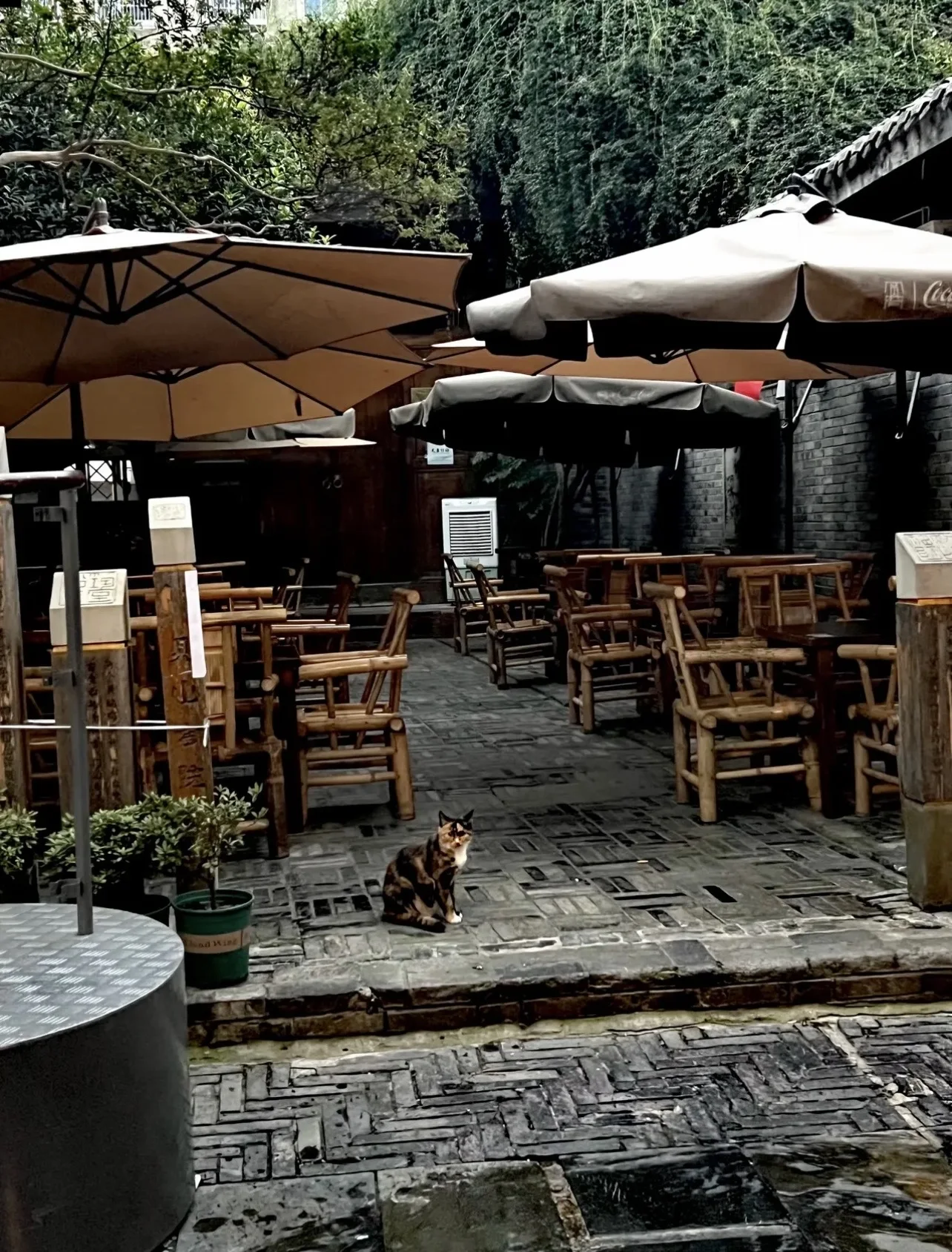
Before sitting down for tea or an opera excerpt, confirm:
- whether the quoted amount is per person, per pot or per seat;
- whether a performance, ear cleaning or costume service is included;
- the approximate duration;
- whether photography creates an extra charge.
This is normal travel arithmetic, not a warning that every business is dishonest. The district sells convenience and setting. Decide consciously whether that setting is what you are paying for.
Getting there
The simplest rail access is Kuanzhaixiangzi Alleys station on Chengdu Metro Line 4. People’s Park station on Line 2 also works when you are following the half-day route above. Save 宽窄巷子 in your map app; English spelling varies between Kuanzhai Alley, Kuan Zhai Xiang Zi and Wide and Narrow Alleys.
The lanes are pedestrianized and mostly level, but old paving, thresholds and crowded pinch points can be tiring for wheelchairs, strollers and travelers with limited mobility. I would visit early, avoid dragging luggage through the district and treat interior courtyards individually rather than assuming every doorway is step-free.
Is Kuanzhai Alley worth it for you?
| Traveler | My call |
|---|---|
| First visit, two or more Chengdu days | Yes; keep it to 60–90 minutes |
| Architecture and urban-history interest | Yes; go early and look beyond storefronts |
| Food-first traveler | Visit briefly, then eat on Kuixinglou Street |
| Small children or older relatives | Yes if central and paced slowly; avoid peak crowding |
| One short Chengdu day | Only if it sits naturally between your other stops |
| Repeat visitor who dislikes commercial heritage streets | Skip without guilt |
Common questions
Is Kuanzhai Alley free?
Walking the public lanes is free. Individual courtyards, exhibitions, performances, food and services may charge separately.
Is it better than Jinli Street?
They do different jobs. Kuanzhai is easier to combine with People’s Park and central museums; Jinli is naturally paired with Wuhou Shrine and becomes more theatrical after dark. I would not give both long visits on a short trip.
Can I visit at night?
Yes, the public lanes function as an open pedestrian district. Go early if architecture is the priority; go after dark if lighting and atmosphere matter more. Check a specific venue’s hours separately.
Sources and current checks
Affiliate link — we may earn a commission at no extra cost to you. Booking is completed on Klook.