When to go
Things to Do in Beijing: 12 Worthwhile Stops by Time and Interest
Choose what to do in Beijing without overloading the day: imperial sights, the Great Wall, hutongs, museums, modern districts and realistic 1–3 day combinations.
- 12 worthwhile choices
- 1 major axis per day
- Reservation first
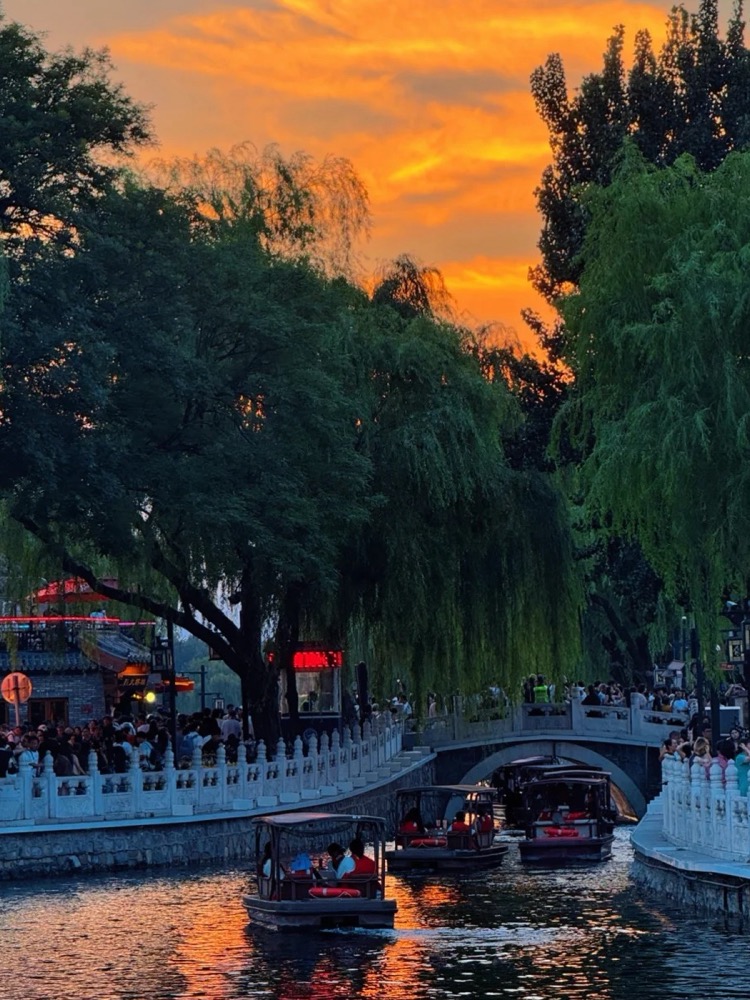
The best things to do in Beijing do not fit into one continuous sightseeing loop. For a first visit, I would choose one imperial block, one full Great Wall day and one neighbourhood or garden block. That gives you Beijing’s scale and contrast without spending the trip inside security queues or cars.
Choose by the time you actually have
| Time available | Best choice | Do not add |
|---|---|---|
| 3–4 hours | Forbidden City or Temple of Heaven or Summer Palace | A second major compound across town |
| One full day | Imperial core or Great Wall | Great Wall plus central Beijing |
| Two days | Imperial core + Great Wall | Summer Palace on the Wall return |
| Three days | Imperial core + Great Wall + south/northwest Beijing | A fourth long-axis day squeezed into evenings |
If your dates are fixed, check reservations before ranking the attractions. The Palace Museum does not sell same-day admission, and holiday access around major sites can change.
1. Forbidden City and Jingshan: the first-visit pair
Reserve the palace first: our Forbidden City ticket guide covers the official website, release time, passport details and what to do if your booking is not confirmed.
The Forbidden City is the most useful place for understanding imperial Beijing, but Jingshan is what makes its scale legible. The palace route runs south to north; cross to the hill after exiting and look back over the roofs. Allow at least half a day and keep your passport with the booking.
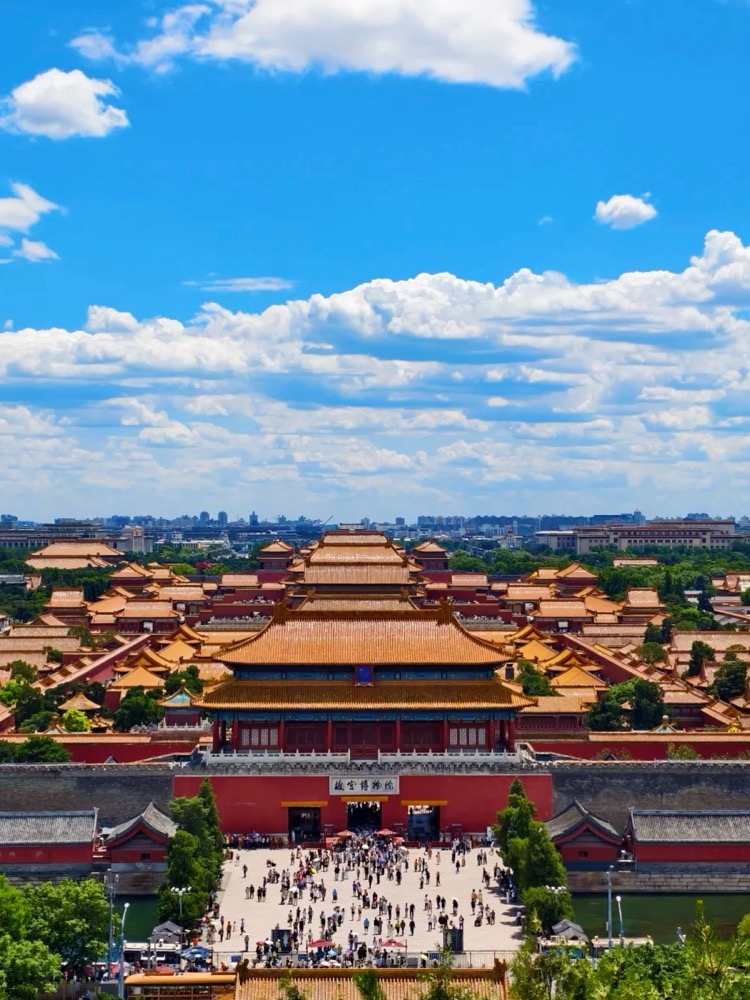
Use the Palace Museum visitor information for the current booking channel, opening rules and visitor notices.
2. Walk the Great Wall as a full-day experience
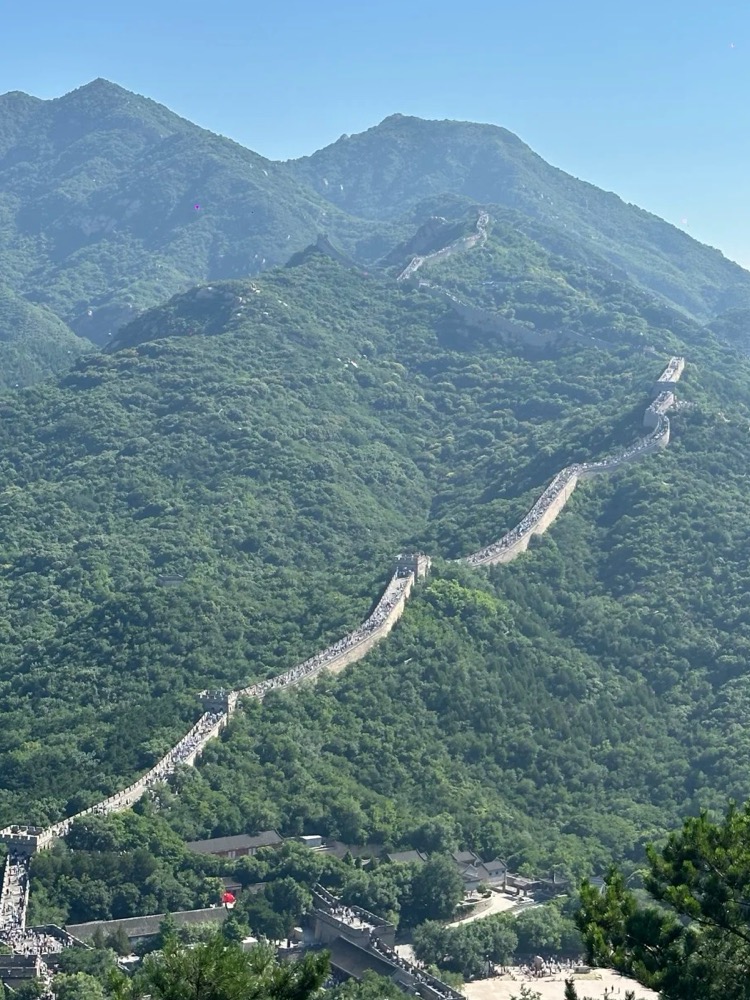
Mutianyu and Badaling are both worthwhile; the meaningful difference is the day around them. Mutianyu favours scenery and a road transfer. Badaling has stronger independent public-transport options. The ridge, cable-car or shuttle decisions and the city transfer make either one a full day.
Start with the Mutianyu independent-visit guide if you want that section; it separates road transport, Wall admission and the optional lifts. Use the Badaling transport guide if rail is your main constraint.
3. Temple of Heaven: architecture plus local park life
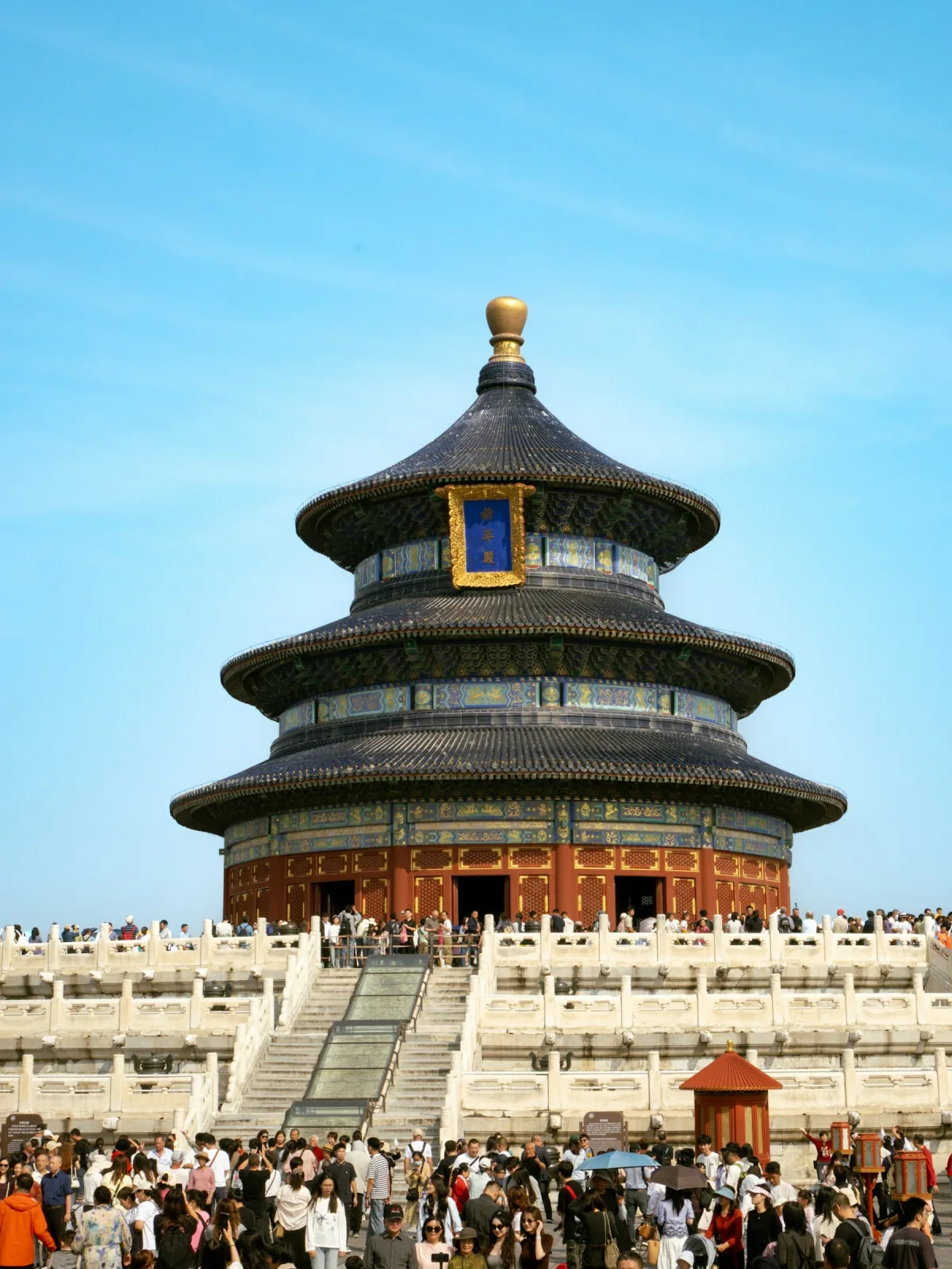
Go in the morning if you want to see the surrounding park in use, then continue toward Qianmen rather than crossing the whole city. The famous circular hall is only part of a much larger ceremonial axis, so budget more time than a photo stop suggests.
4. Summer Palace: the slow scenic day
The Summer Palace earns its place when you want gardens, water and a break from stone courtyards. It sits northwest of the central cluster and is large enough for half a day or more. On a three-day first trip, I would choose it instead of the Temple of Heaven day, not after it.
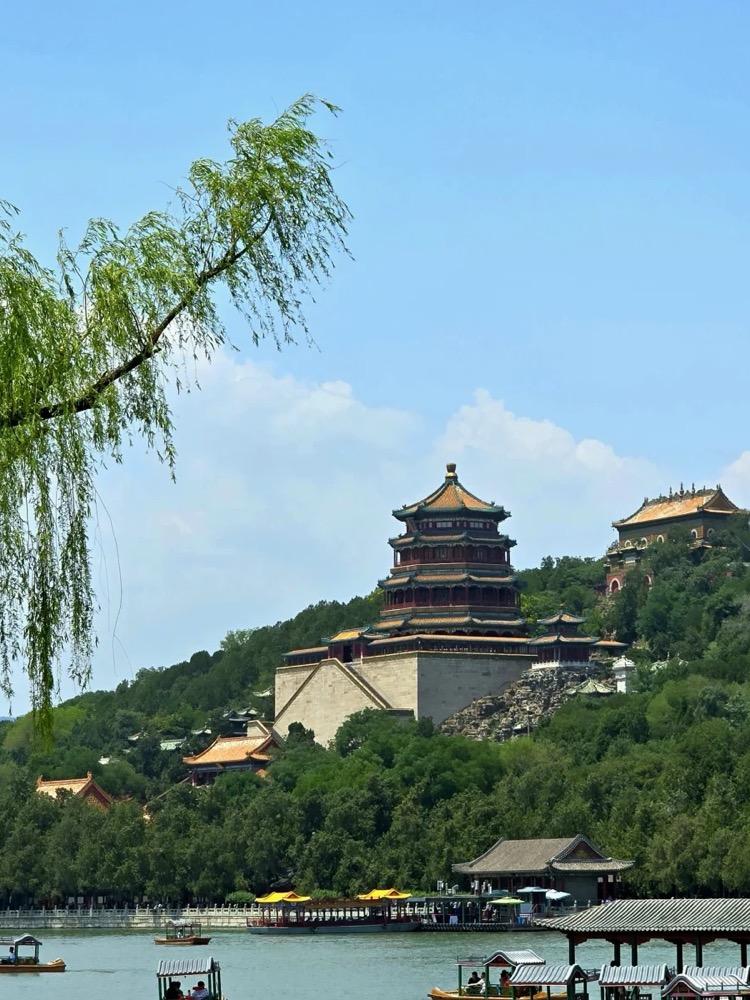
5. Shichahai, Drum and Bell Towers: neighbourhood Beijing
This is the better hutong anchor when you want lakes, lanes and a visible historic street pattern. Walk away from the busiest souvenir section and keep one or two saved food stops rather than treating every narrow lane as an attraction.
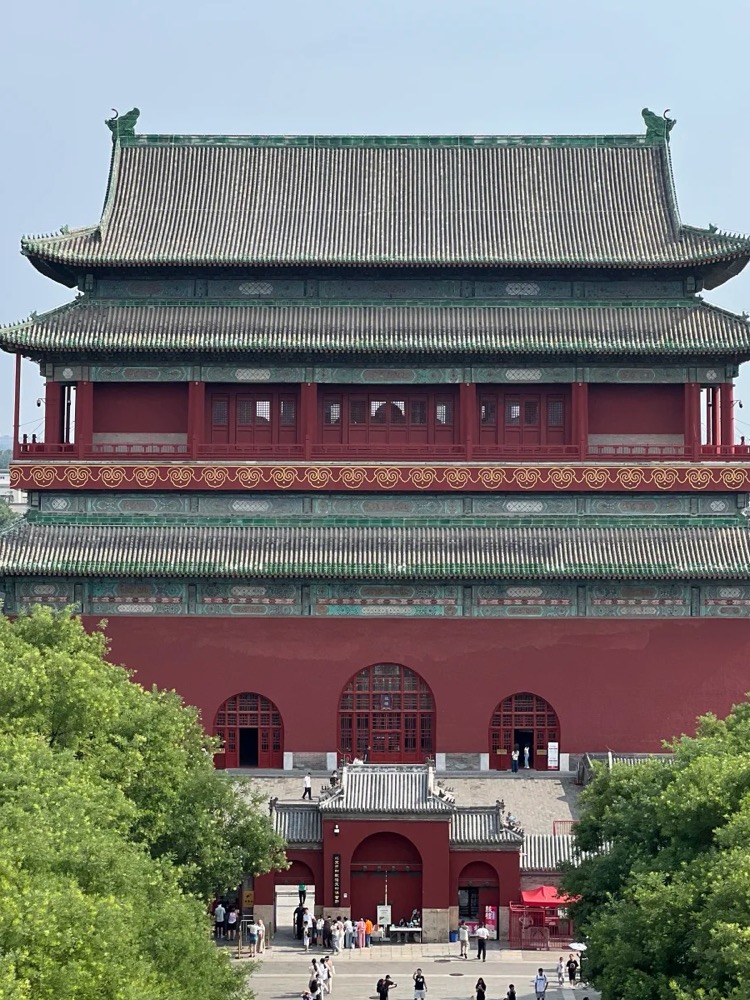
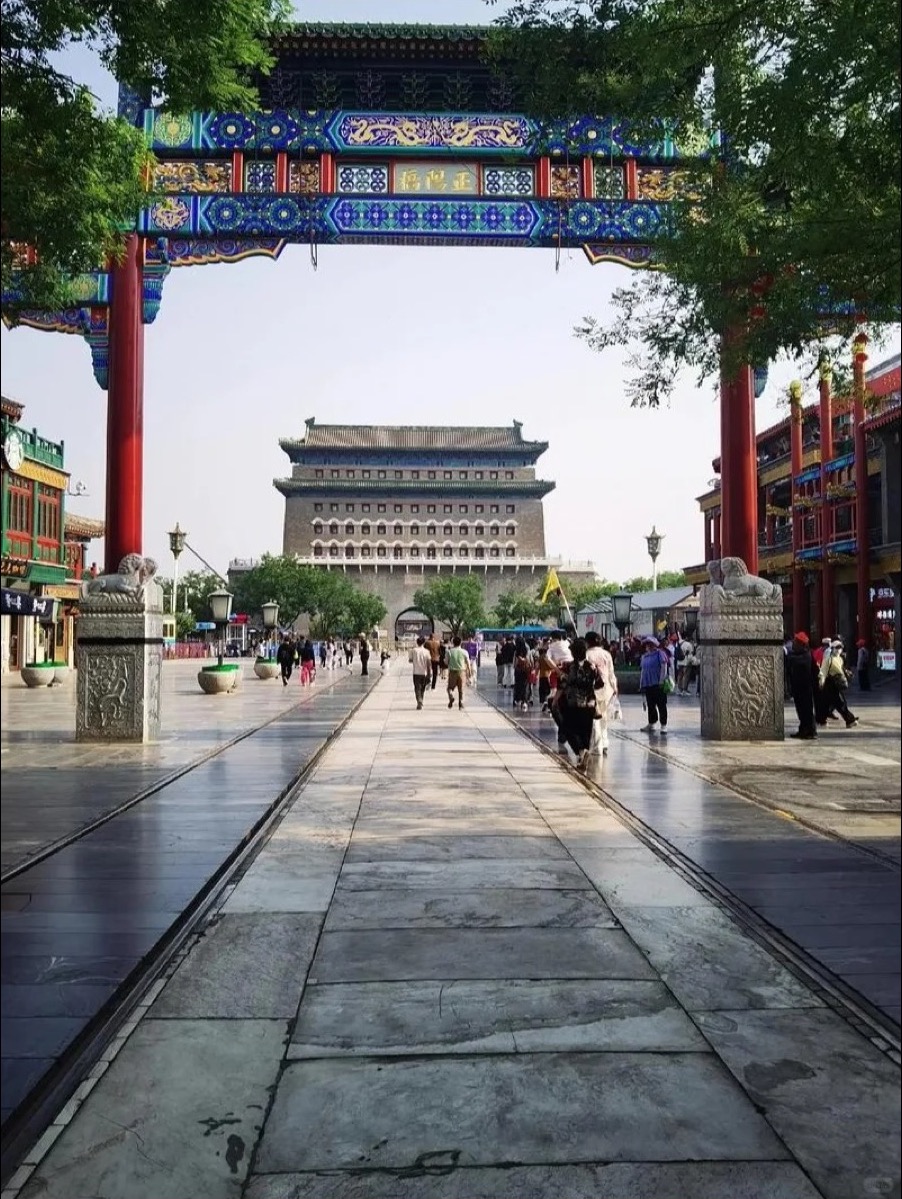
6. Qianmen and Dashilar: an evening that fits the south
Qianmen belongs naturally after the Temple of Heaven or Tiananmen area. Its main street is polished, while the side lanes show a messier commercial city. Use it for an evening meal and walk, not as proof that you have “done the hutongs.”
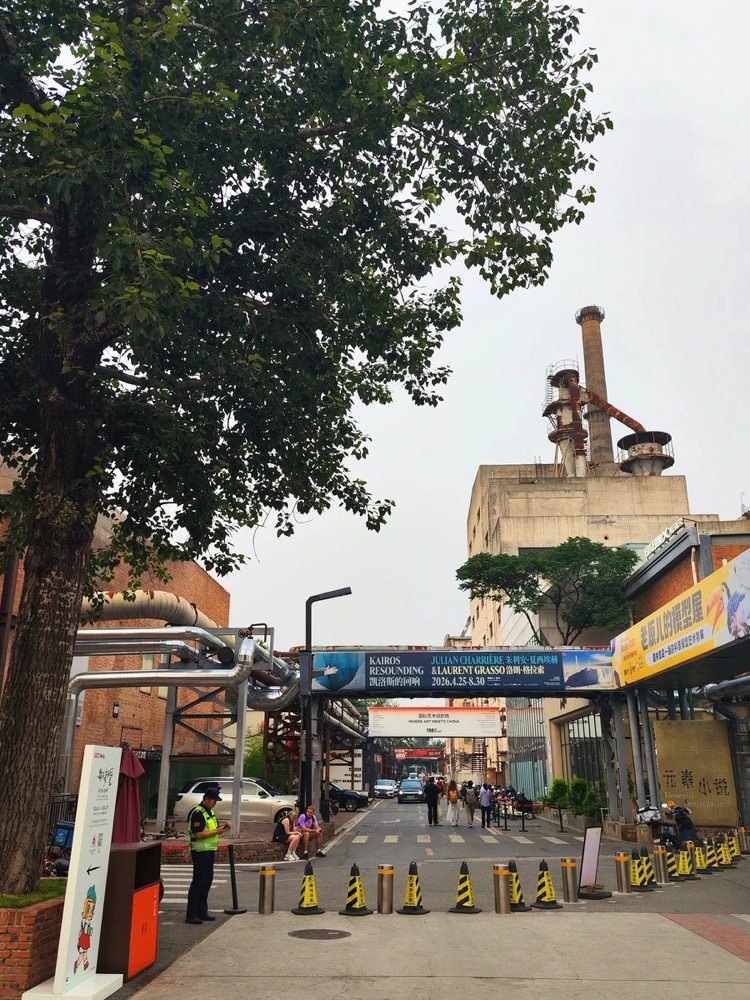
7. 798 Art District: when you want contemporary Beijing
Choose 798 for galleries, industrial architecture and cafés. It is east of the imperial centre, so it works best with Sanlitun or an airport-side day rather than the Forbidden City. Gallery opening days vary; Monday is often weak.
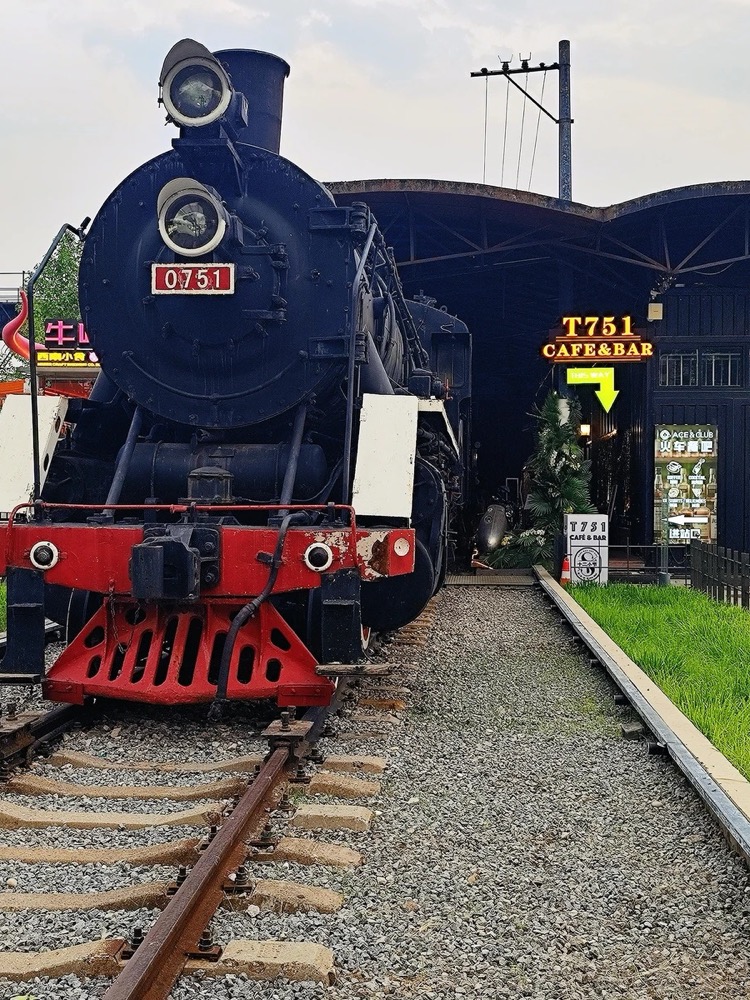
8. Olympic Green: scale after dark
The Bird’s Nest and Water Cube make the most sense around dusk and evening illumination. This is an exterior urban-space visit for most travellers, not a substitute for an entire heritage day.
9. National Museum or Capital Museum: the indoor option
Museums are valuable in extreme heat, cold or rain, but they are not last-minute shelter if reservations are required. Check the institution’s official channel and opening day before routing the trip around it.
10. Universal Beijing Resort: a separate park day
Universal is not a quick east-Beijing add-on. Give it a full day and decide whether the hotel, early-entry and return transport justify moving bases. Use our Universal Beijing guide for the park-specific plan.
11. Eat one Beijing meal deliberately
Peking duck, lamb hotpot, zhajiang noodles and old-Beijing yoghurt answer different needs. I would not cross the city for a viral branch. Save the Chinese name of a well-reviewed place near that day’s route, arrive outside the sharp dinner peak and keep a second option nearby.
12. Leave one unprogrammed neighbourhood block
The hour that often survives best in memory is not another ticketed compound: a breakfast shop, a shaded lane, a lake edge or a quiet park gate. Beijing’s formal sights are huge; the unprogrammed block keeps the trip from becoming one long entrance procedure.
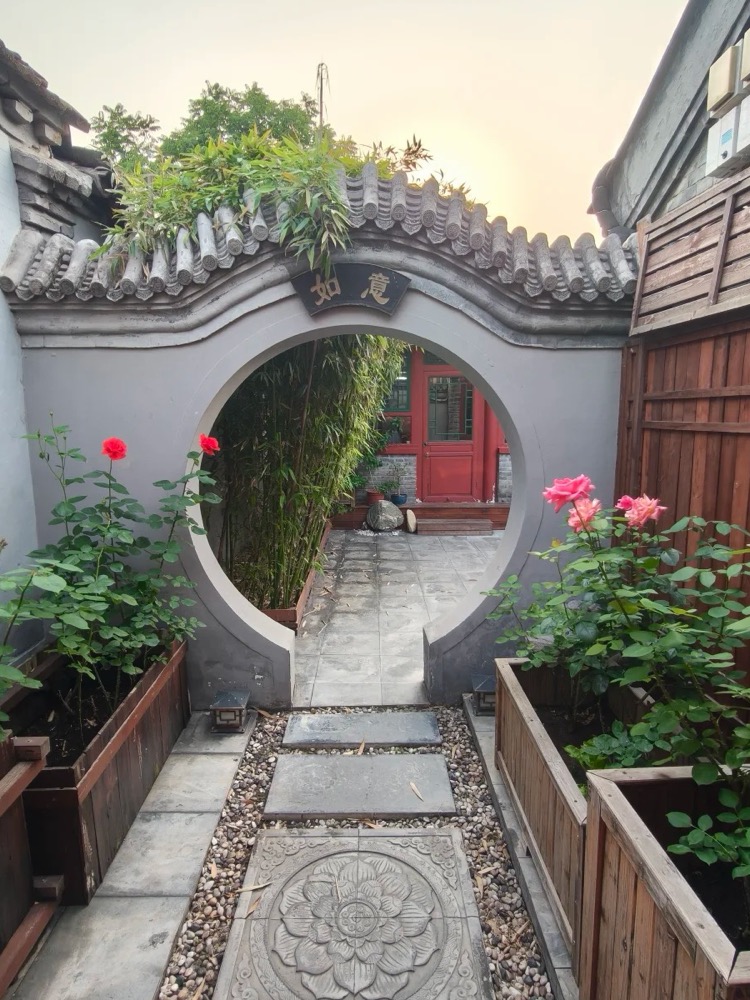
Best combinations for a short trip
One day
Forbidden City → Jingshan → Shichahai or Qianmen. Do not attempt the Great Wall.
Two days
Day 1 imperial core; Day 2 Great Wall. This is the minimum recognisable first visit.
Three days
Add Temple of Heaven + Qianmen for a compact south day, or the Summer Palace for a slower scenic day.
If it rains, is extremely hot or you are travelling with children
- Replace a long open plaza with a reserved museum block.
- Use Temple of Heaven or Summer Palace early, then move indoors after lunch.
- With children, reduce the compound count and protect meal/rest time.
- Universal and the Great Wall are full-day commitments; do not use them as backup halves.
See the Beijing travel guide for the booking order and the interactive Beijing map for geographic combinations.
Official planning sources
Affiliate link — we may earn a commission at no extra cost to you. Booking is completed on Klook.