When to go
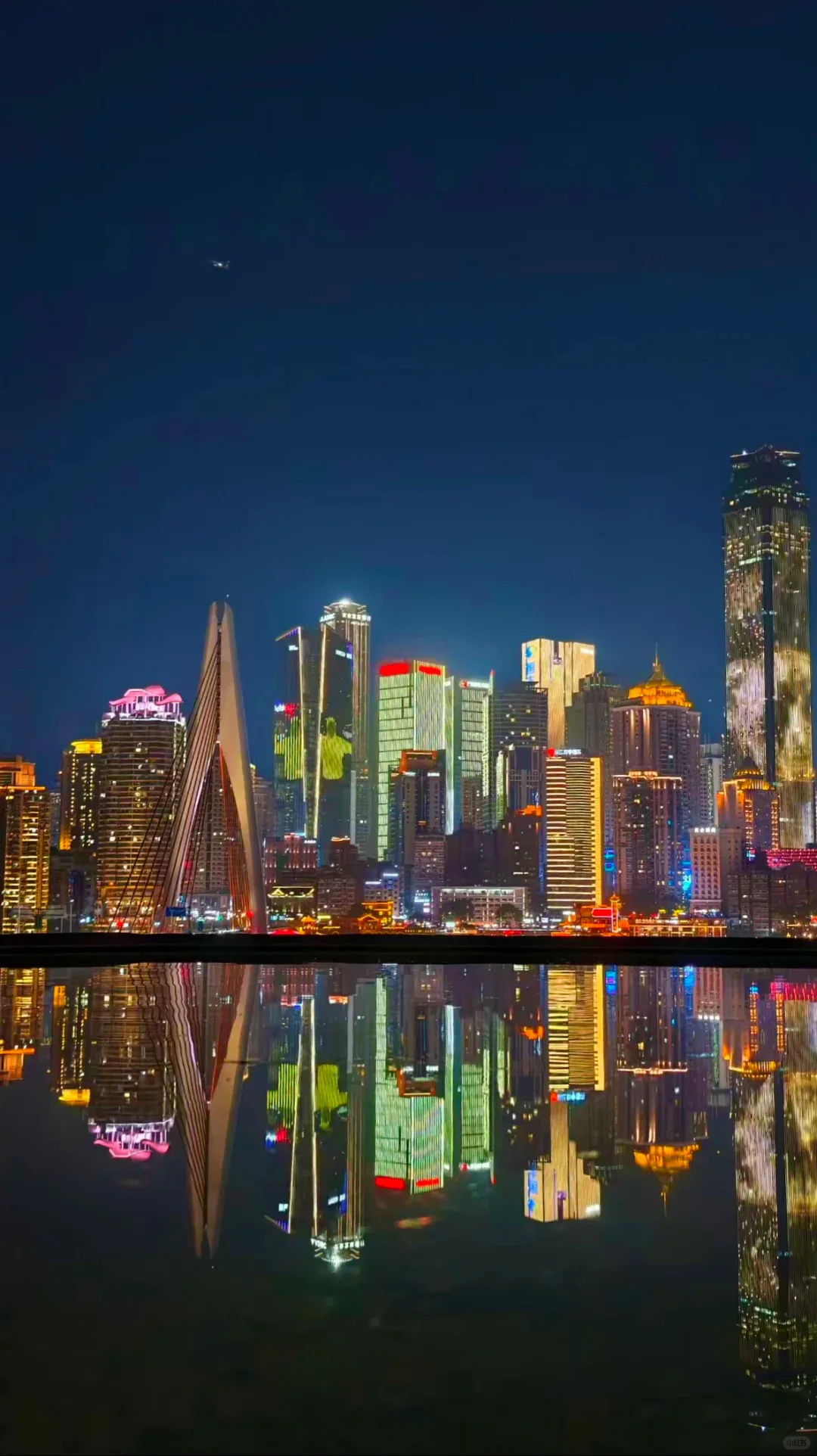
Cyberpunk City China: Chongqing Night Views & Photo Route
Why Chongqing is called China's cyberpunk city, plus a practical night route for Hongya Cave, Qiansimen Bridge, Chaotianmen, Liziba and south-bank skyline views.
- 2 evening routes
- Opposite bank for the skyline
- Liziba in daylight
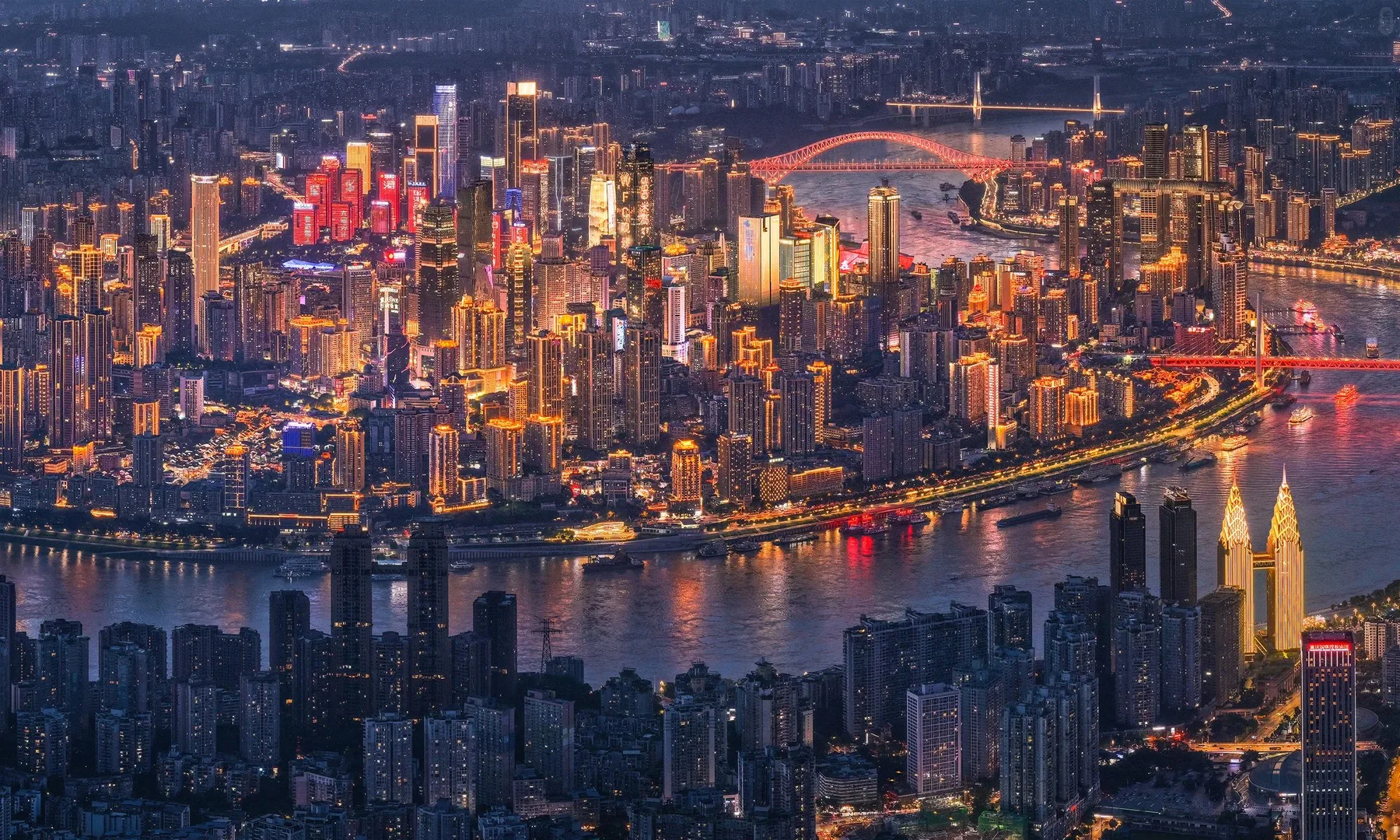
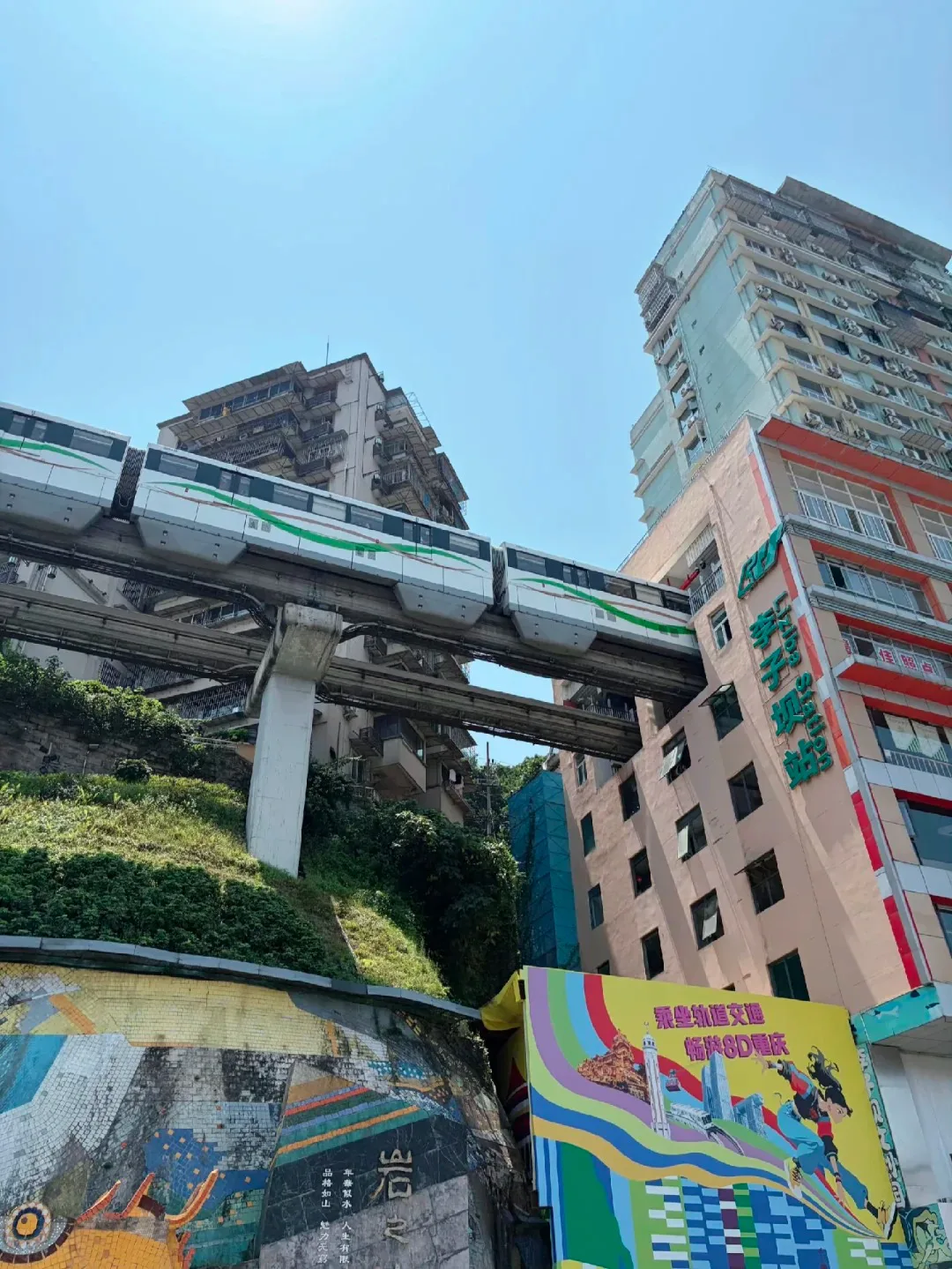
When travellers search for “cyberpunk city China,” they usually mean Chongqing. The label is unofficial. It comes from scenes that are ordinary here: monorails enter buildings, roads cross at different heights, towers rise from river fog, and shopping complexes connect streets on different levels.
Do not try to collect every viral viewpoint in one night. Use two evenings: one for the Yuzhong–Jiangbeizui riverfront and one for the south-bank skyline. Visit Liziba in daylight or blue hour instead of squeezing it between the two night routes.
Why Chongqing looks cyberpunk
Several “ground floors” can be correct
On a steep slope, one building can meet different roads on widely separated storeys. What looks like a rooftop plaza from one side may be a street entrance from another. This is the source of the city’s famous “8D” navigation jokes, but it is also practical mountain-city engineering.
Infrastructure is part of the architecture
Line 2 passes through the Liziba building; bridges, rail lines and expressways layer across river valleys; escalators and lifts replace some conventional street connections. The city looks cinematic because movement remains visible.
The rivers create the viewing distance
The Yangtze and Jialing split central Chongqing into banks. That inconvenience becomes a visual advantage at night: the water gives you enough distance to see towers, bridges and tiered facades as one scene.
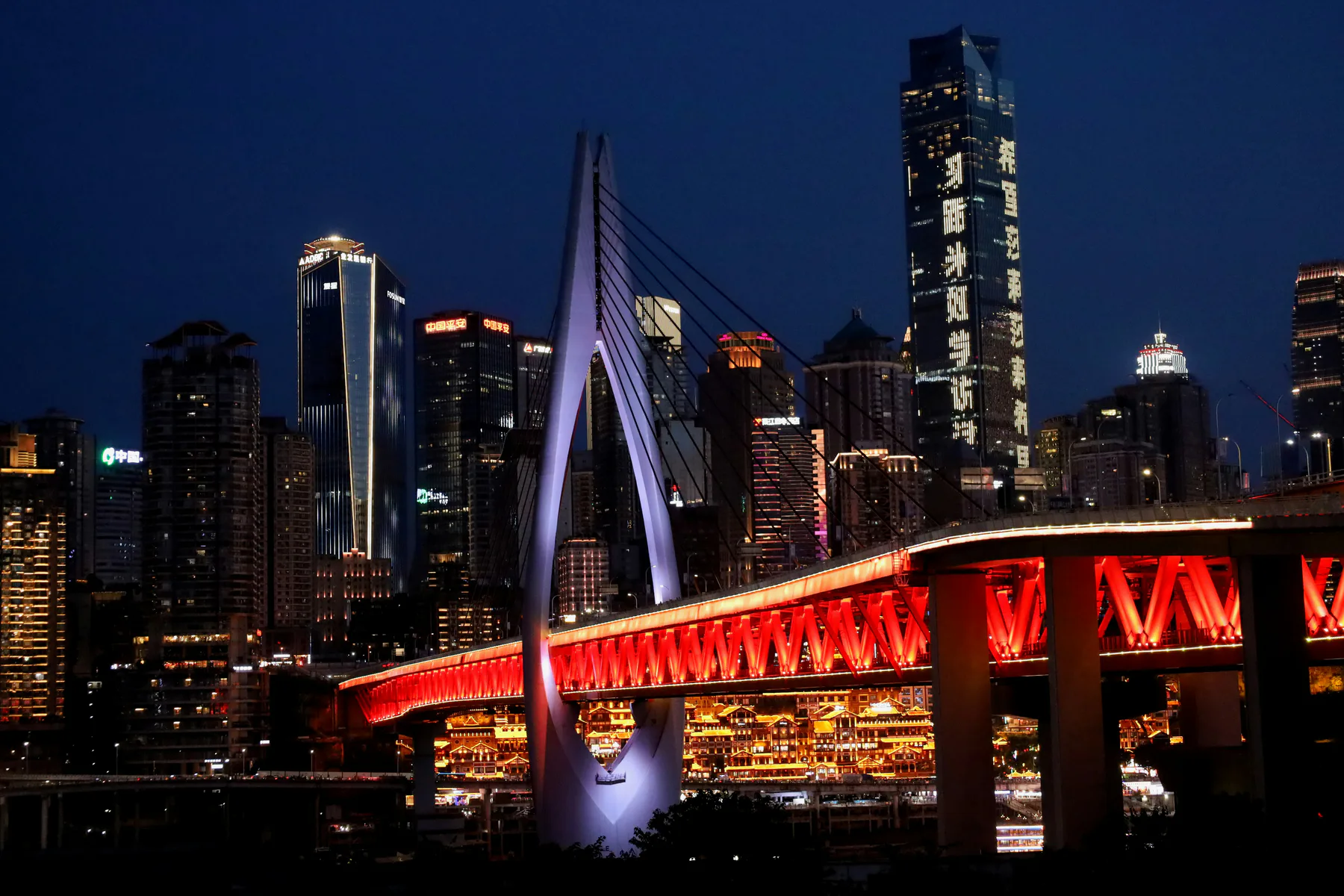
Evening 1: Hongya Cave to Jiangbeizui
1. Start at Jiefangbei before dusk
Walk the upper-city streets while there is still ambient light. This gives you time to understand the descent toward Hongya Cave and avoids arriving at the river already disoriented.
2. Pass through Hongya Cave once
The interior is a vertical commercial complex with crowded lifts and escalators. Look briefly, but do not spend the entire blue hour waiting inside. Descend toward the river-facing exterior, then keep moving.
3. Use Qiansimen Bridge as a transition
From the bridge, Hongya Cave becomes legible against the slope. Keep to the pedestrian path, avoid large tripod setups at pinch points and do not lean into traffic lanes. If the bridge is congested, continue to the opposite bank rather than fighting for one frame.
4. Finish on the Jiangbeizui / Grand Theatre riverfront
The north bank offers the cleanest full view back toward Hongya Cave and the Yuzhong peninsula. Regent Chongqing and Niccolo Chongqing sit in this broader skyline district, but you do not need a hotel room to use the public riverfront viewpoints.
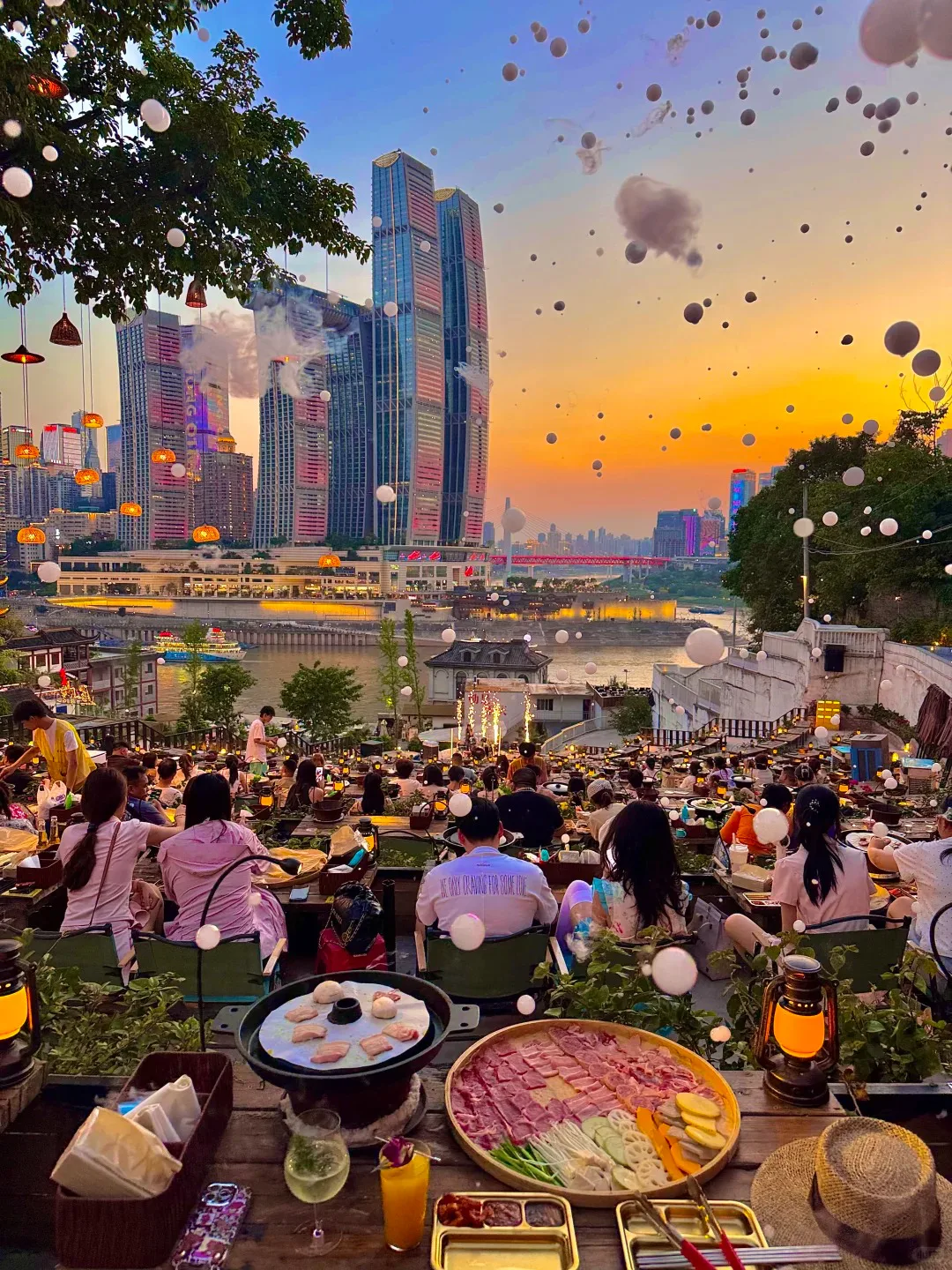
Evening 2: Longmenhao to Nanbin Road
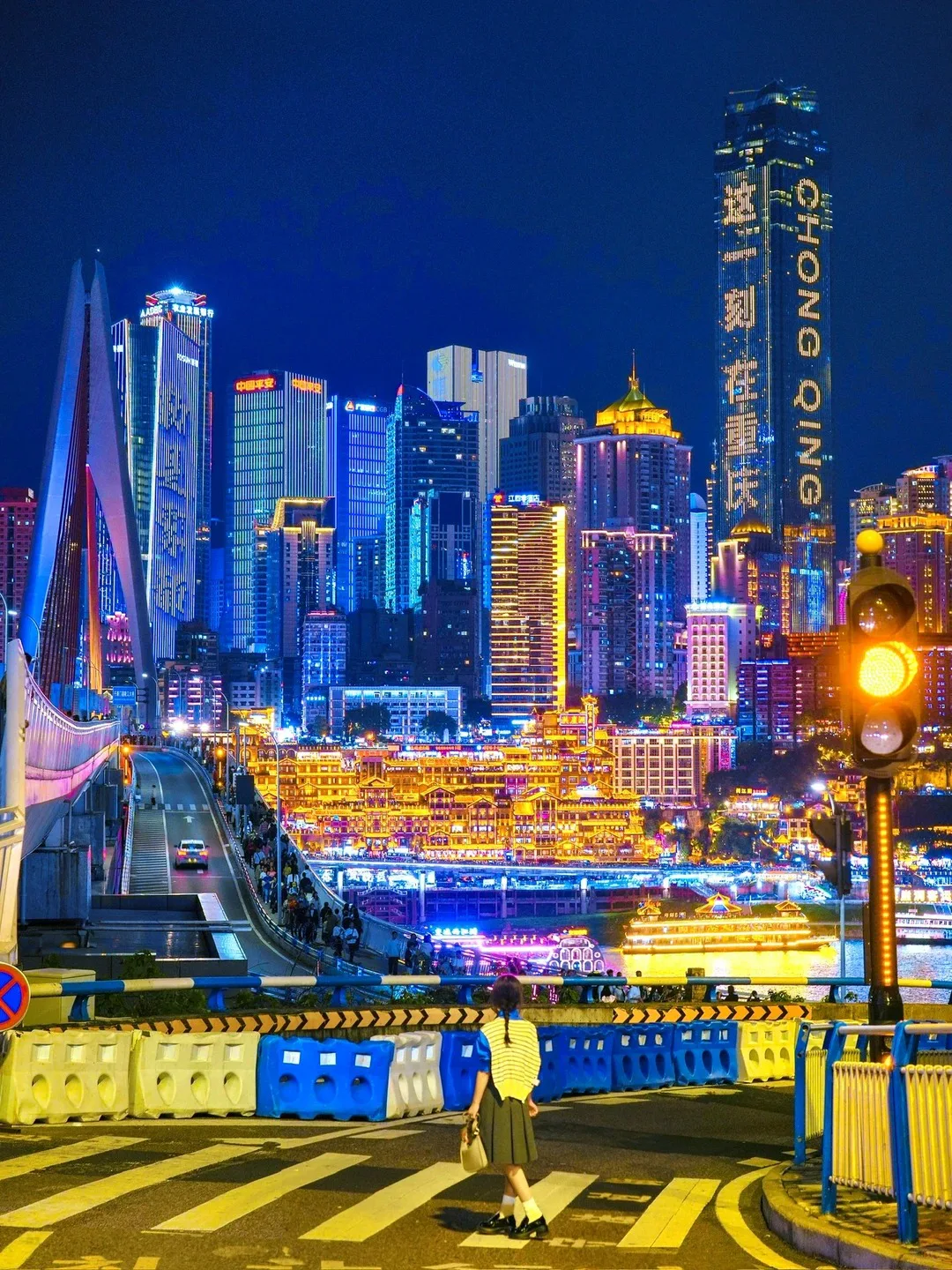
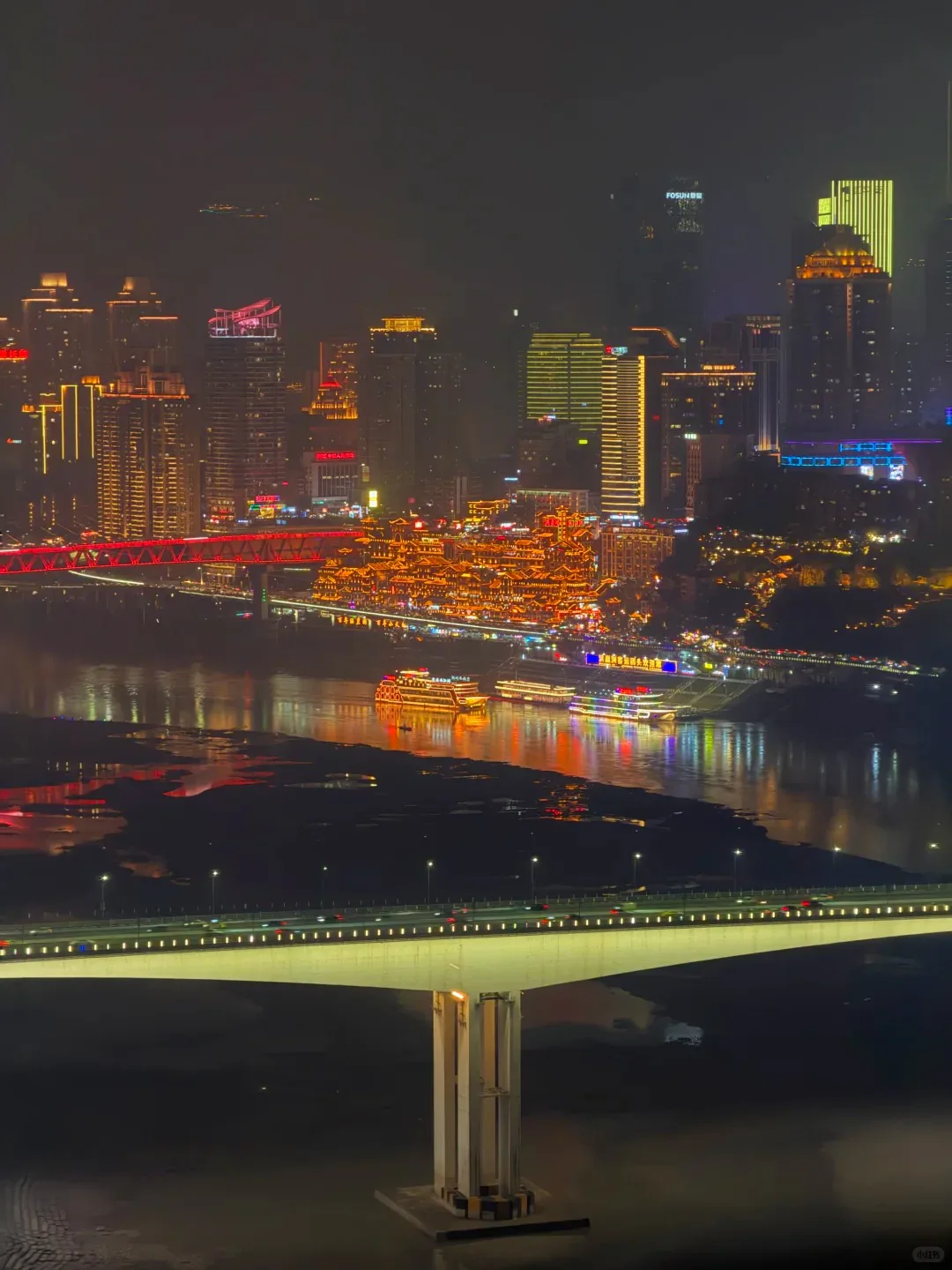
Arrive at Longmenhao Old Street before sunset. The hillside lanes and rail/road layers are easier to navigate in daylight. As the light fades, continue along the south bank for a wider look at the peninsula.
Nanbin Road trades immediate landmark access for a panoramic skyline. It works particularly well after a central sightseeing day because you can stop planning and simply watch the city switch on.
Daylight route: Liziba to E’ling
At Liziba, photograph the monorail from the designated viewing area and ride Line 2 through the building. Then continue toward E’ling Park and Testbed 2. This sequence shows the infrastructure in context; making Liziba a five-minute taxi stop misses the point.
Camera and phone advice that preserves the city
- Expose for the brightest sign, then lift shadows slightly; blown highlights erase the layered detail.
- Use a stable railing or compact support where permitted, but keep pedestrian space clear.
- Keep some neutral colour. Turning every shadow teal and every light orange makes Chongqing look less specific, not more.
- Include people, trains or boats when scale matters.
- After rain, protect the lens and watch the steps; reflections improve the frame but the slopes become slippery.
Photo etiquette and safety
- Baixiangju and many “hidden” staircases are residential. Stay quiet, avoid windows and doors, and do not stage groups in access routes.
- Never step into a road, tunnel entrance or active rail area for a viral angle.
- Bridge paths can narrow suddenly. Take the photo, then move away from the choke point.
- Use a local navigation app and save Chinese names; the closest pin may still be on another level.
Where to stay for night photography
- Jiefangbei: easiest for Hongya Cave, Shibati and a first visit.
- Jiangbeizui: strongest for river-view luxury hotels and looking back at Yuzhong.
- Nanbin Road: quieter skyline views, but more cross-river travel during the day.
- Guanyinqiao: best when nightlife and food matter more than waking beside a landmark.
Compare exact hotels and station walks in the Chongqing hotels guide. Use the interactive Chongqing map before choosing a viewpoint, because the correct bank matters more than straight-line distance.
Continue planning
- Chongqing Travel Guide — the complete three-day first trip.
- Things to Do in Chongqing — daylight sights and trade-offs.
- Chongqing Tourist Map — all viewpoint clusters and river crossings.
Official planning references
Affiliate link — we may earn a commission at no extra cost to you. Booking is completed on Klook.