When to go
Chongqing Airport to City: Metro, Taxi & T2/T3 Guide
Current Chongqing Jiangbei Airport guide for T2, T3A and T3B: which metro line to use, how to reach Jiefangbei and what older airport guides get wrong.
- CKG airport code
- T3B opened April 2025
- Line 10 serves T3
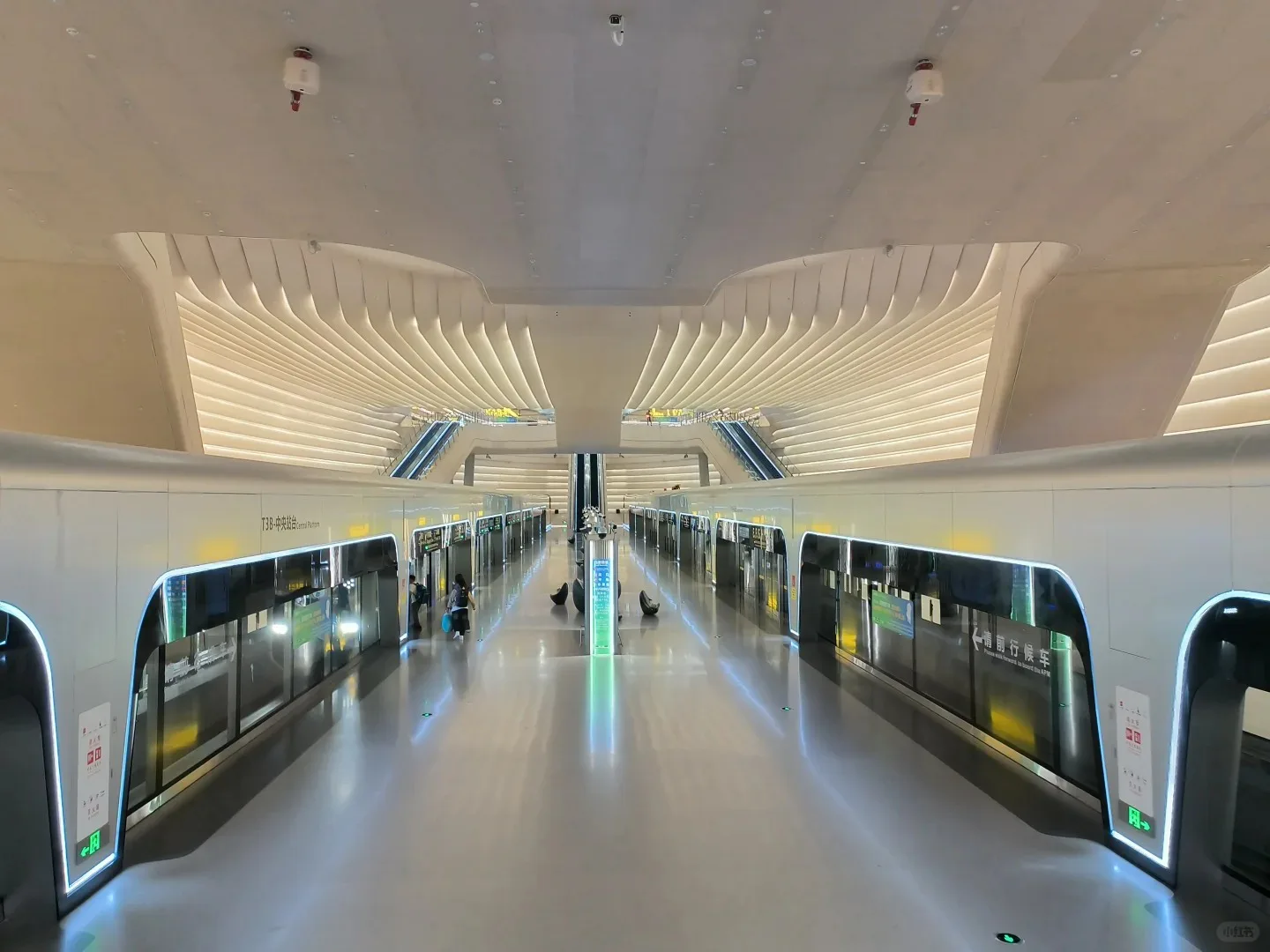
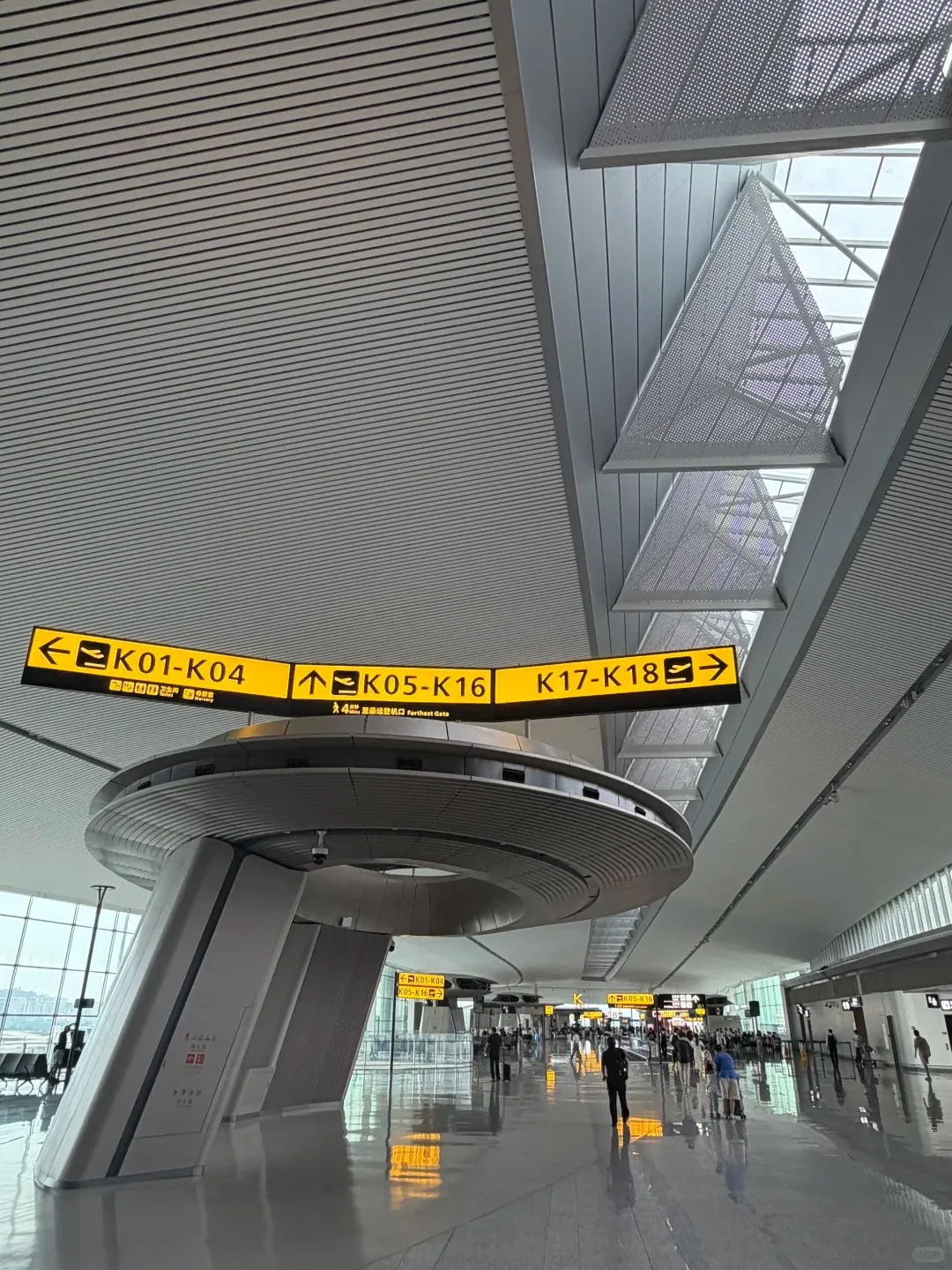
Before travelling to Chongqing Jiangbei International Airport (CKG), check whether your flight uses T2 or the T3 complex. T3B opened on April 9, 2025 and functions as the satellite concourse linked to T3A by the airport’s automated people mover. It is not a separate city-metro stop. Follow the terminal and gate information shown by your airline or boarding pass.
First, identify the terminal
| Terminal area | Rail access | What to know |
|---|---|---|
| T2 | Line 10 and Line 3 | Separate airport rail stop from T3 |
| T3A | Line 10 | Landside rail access for the T3 complex |
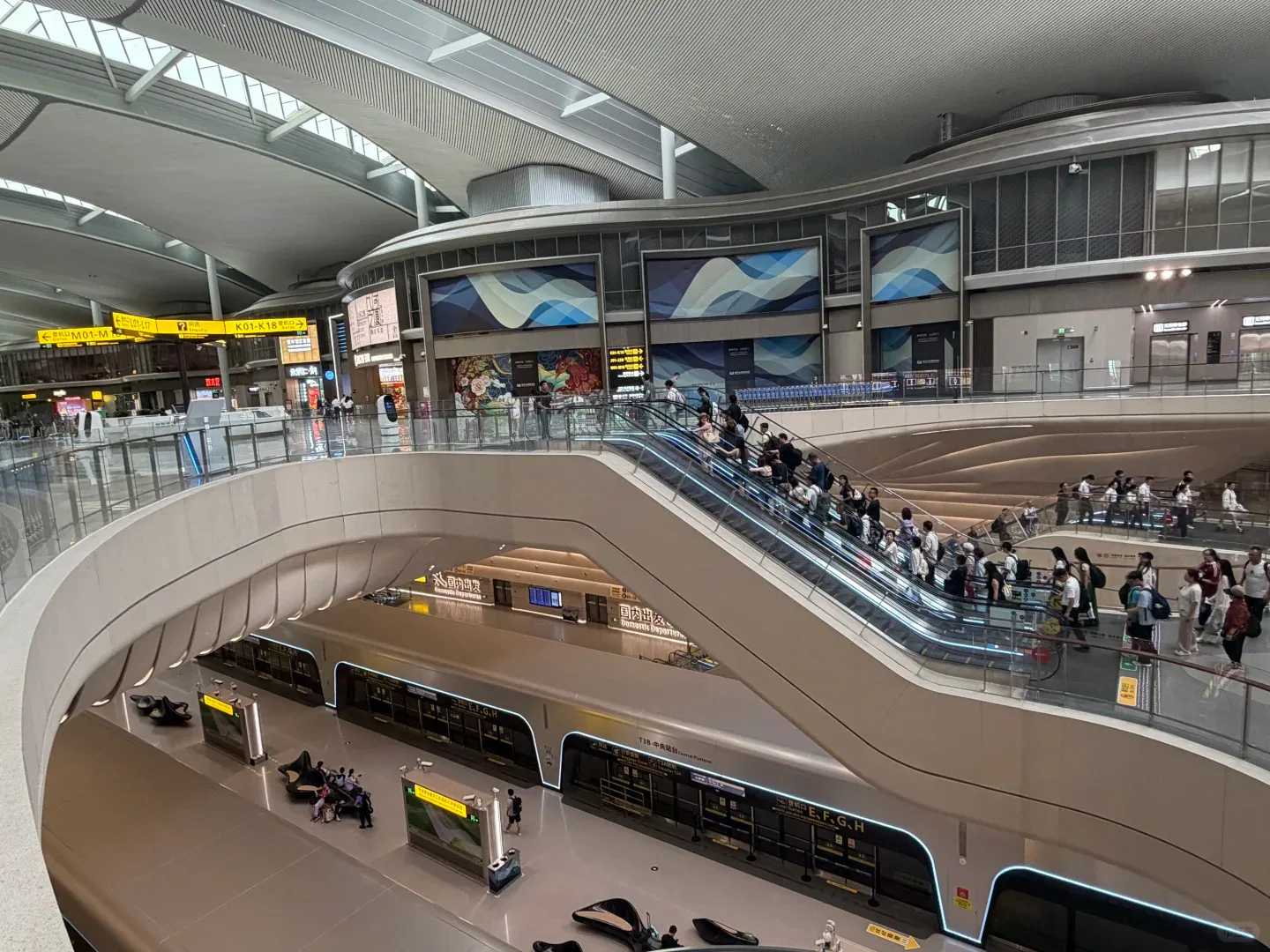
| T3B satellite concourse | Airport people mover from T3A | Follow airline and airport signs; there is no separate city-metro stop |
T3B’s opening created the airport’s current three-terminal, one-satellite-hall system. T3B is the satellite part of that description, not an additional hall beyond it. Do not ask a driver for “international terminal” based on an old blog; flight allocation can change. Show the current terminal and airline information.
Metro / rail transit: most predictable
Line 10 is the main airport line and serves both T2 and T3 areas. It connects toward the north and central network, where you transfer for Jiefangbei, Xiaoshizi, Guanyinqiao or other districts. Line 3 also serves T2, but it is not the T3 option.
The airport publishes current first- and last-train information on its rail transport page and explicitly warns that timetables can change. Check it on the travel day, especially after a late flight or before an early departure.
To Jiefangbei or Xiaoshizi
Use Line 10 from the airport and transfer into the central network based on the live journey planner. The best interchange can differ by the exact hotel and station exit. In Chongqing, saving ten minutes on the train can be cancelled by a steep final walk, so compare the full entrance-to-entrance route.
To Guanyinqiao
Guanyinqiao sits on the north side and can be a more direct airport-side base than the Yuzhong peninsula. Use the live rail planner for the current transfer, or take a car if carrying luggage late at night.
Taxi and ride-hailing: easiest with luggage
Use the official taxi queue or a recognised ride-hailing pickup area. Save the hotel name, Chinese address and phone number before landing. Large Chongqing hotels can have several vehicle entrances on different road levels, so confirm the lobby entrance rather than accepting a nearby pin.
Travel time varies sharply with traffic, weather, terminal pickup queues and the hotel bank. Do not build a flight connection around a single optimistic drive-time estimate.
Airport bus: useful only when the stop fits
Airport bus routes and operating windows change more often than rail infrastructure. Check the current airport ground-transport page after landing. A bus is useful when its stop is near the hotel; it is not automatically better if it leaves you with a steep last kilometre.
How early should you return to CKG?
Use your airline’s current recommendation, then add time for:
- travel to the correct terminal;
- a possible terminal or satellite-hall movement;
- passport and security processing;
- holiday or weather congestion;
- finding the correct vehicle entrance in a multi-level hotel district.
For an international flight, do not copy a domestic check-in buffer from a social post. Airline cutoffs and document checks govern the real deadline.
Late arrival and airport hotels
An airport-area night makes sense after a very late arrival, before an early departure or during a protected stopover. For a normal three-day city trip, moving to Jiefangbei or the intended base on arrival usually saves a hotel change the next morning.
Before booking an “airport hotel,” verify:
- which terminal it is near;
- whether the shuttle is scheduled or on demand;
- whether the shuttle accepts late-night international arrivals;
- the property’s foreign-guest registration capability;
- the actual rail or driving time to the terminal you need.
Common mistakes
- Following a pre-2025 guide. It may omit T3B entirely.
- Selecting T2 when the flight uses T3. The terminals have different rail stops.
- Trusting the district pin for the hotel entrance. Chongqing’s road levels make the final approach important.
- Assuming the last train is fixed forever. Check the official page on the day.
- Allowing a driver to choose the terminal from the airline name alone. Show the current boarding information.
Continue planning
- Chongqing Travel Guide — the complete first-trip route.
- Chongqing Hotels — choose a base after considering the arrival leg.
- Chongqing Tourist Map — see the airport in relation to the city clusters.