FAMILY TRAVEL
China with kids works when every day has an exit plan
Plan China with kids using realistic family routes, child train-ticket rules, hotel questions, stroller and toilet logistics, food backups and rest blocks.
For a first family trip, use two cities in one week or three in ten to fourteen days, take high-speed rail where it removes an airport, and schedule only one must-do activity each day. Every demanding morning needs a nearby lunch, a toilet stop and a simple way back to the hotel.
That exit plan is more important than adding another attraction. Large stations, security queues, long metro interchanges and unfamiliar meals can use a child’s energy before sightseeing begins. Keep the first evening empty and protect a rest block after the Great Wall, a panda base, a theme park or a mountain day.
A family route that stays enjoyable
| Trip length | Suggested bases | Why it works |
|---|---|---|
| 7 days | Beijing + Shanghai | Two strong contrasts with one simple rail move |
| 10 days | Beijing + Xi’an + Shanghai | Adds the Terracotta Warriors without daily packing |
| 14 days | Beijing + Chengdu + Shanghai, optional Xi’an | Pandas and slower city time balance the formal sights |
Use the China itinerary planner to count transfer days. A train day is not an attraction day just because the ride is fast.
The one-anchor day
A family day works better in three blocks:
- Morning anchor: the timed museum, Great Wall section, panda base or theme park.
- Midday reset: lunch away from the exit crowd, then hotel rest or quiet transit.
- Optional finish: park, riverside, neighborhood walk or early dinner.
Do not make a child “earn” the enjoyable part by finishing three adult landmarks first. Put the family highlight early enough that a delayed lunch does not destroy it.
Adjust the day by age
| Age or stage | What usually helps | What commonly breaks the day |
|---|---|---|
| Baby | One base, familiar feeding setup, quiet hotel time | Long transfers without a clean preparation surface |
| Toddler | Compact stroller plus carrier, parks and short anchors | Stairs, skipped naps and queues with no exit |
| Primary-school age | One story or mission per sight, hands-on stops | Several adult museums in sequence |
| Teenager | Choice over meals or one daily activity | A fully dictated itinerary with no independent time |
Siblings may need different versions of the same day. One adult can finish a museum while another uses the courtyard or café, then the family meets at a photographed location.
Train tickets for children
China Railway’s official English FAQ bases child tickets on age:
- A passenger aged 6 to under 14 may buy a child discount ticket.
- A child under 6 may travel free without an assigned seat when accompanied, subject to the stated limit per adult.
- A passenger aged 14 or above buys a full-price ticket.
Check the current 12306 rule when booking and enter the child’s valid identity information. If a young child needs a guaranteed seat, do not rely on the free no-seat arrangement. Carry the original passport used for the reservation.
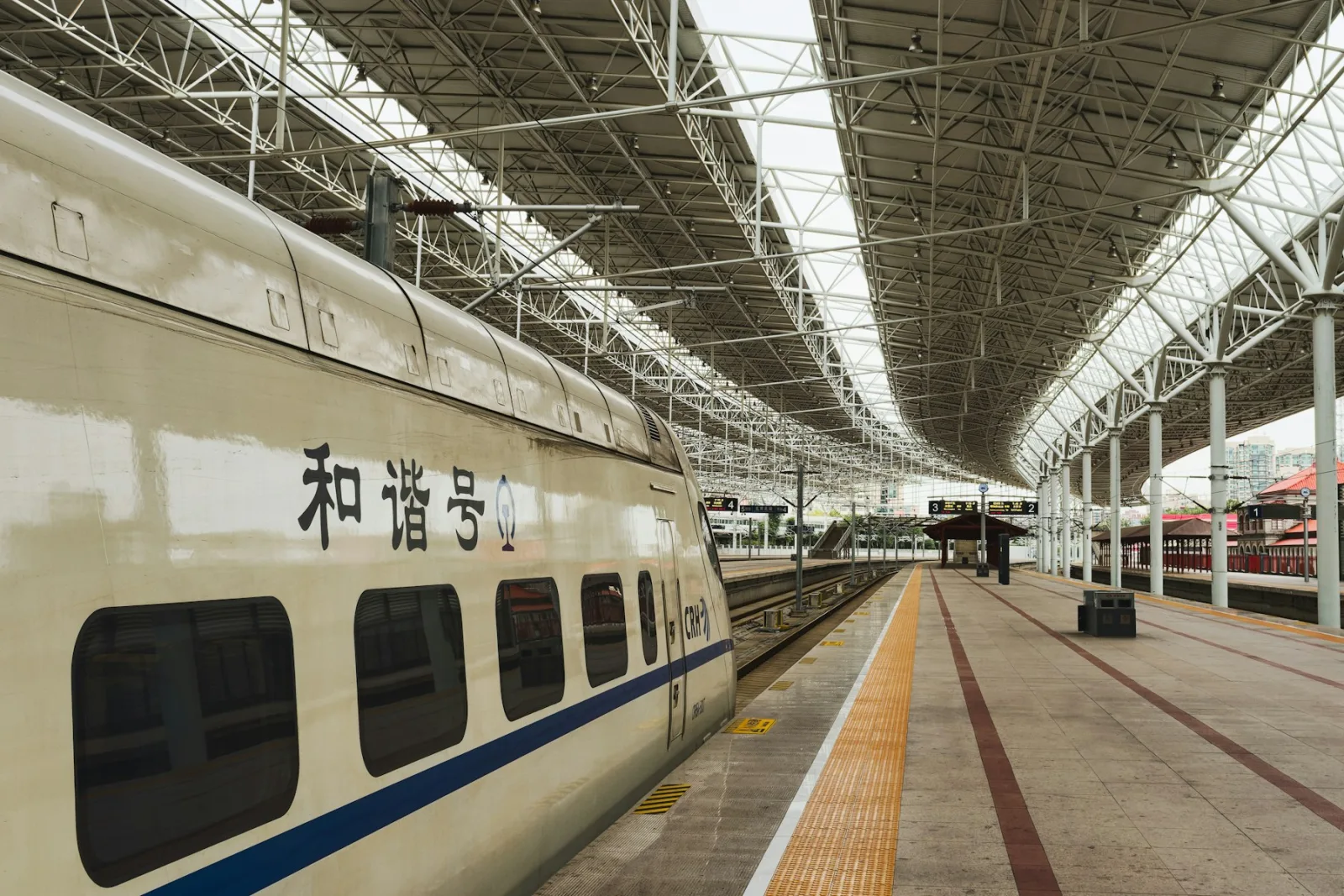
At large stations, arrive early enough for security, finding the waiting area and a bathroom visit. Keep one adult responsible for documents and the other for children and bags rather than passing passports back and forth.
The family station sequence
Arrive with enough time for one wrong turn and one bathroom visit. Before security, confirm the train number, station and departure date—not just the city pair. After security, locate the waiting area before buying food. Use the toilet before the boarding call because the rush from gate to platform can be short.
Pack one small “seat bag” with wipes, snacks, a layer, headphones and medicine. It should stay with the family even when the larger suitcase is on a luggage rack. Photograph where that suitcase is stored, especially if seated elsewhere in the carriage.
Choosing a hotel
Prioritize the boring details:
- elevator from street or lobby to room;
- a real non-smoking room;
- enough floor space for luggage or a cot;
- laundry room or nearby service;
- breakfast, convenience store or simple food within a short walk;
- metro access without a long underground interchange;
- the hotel’s Chinese name and full address saved offline.
Ask in advance about cot availability and occupancy limits. “Family room” does not have one standard configuration. A central hotel that costs more can save two tiring rides every day.
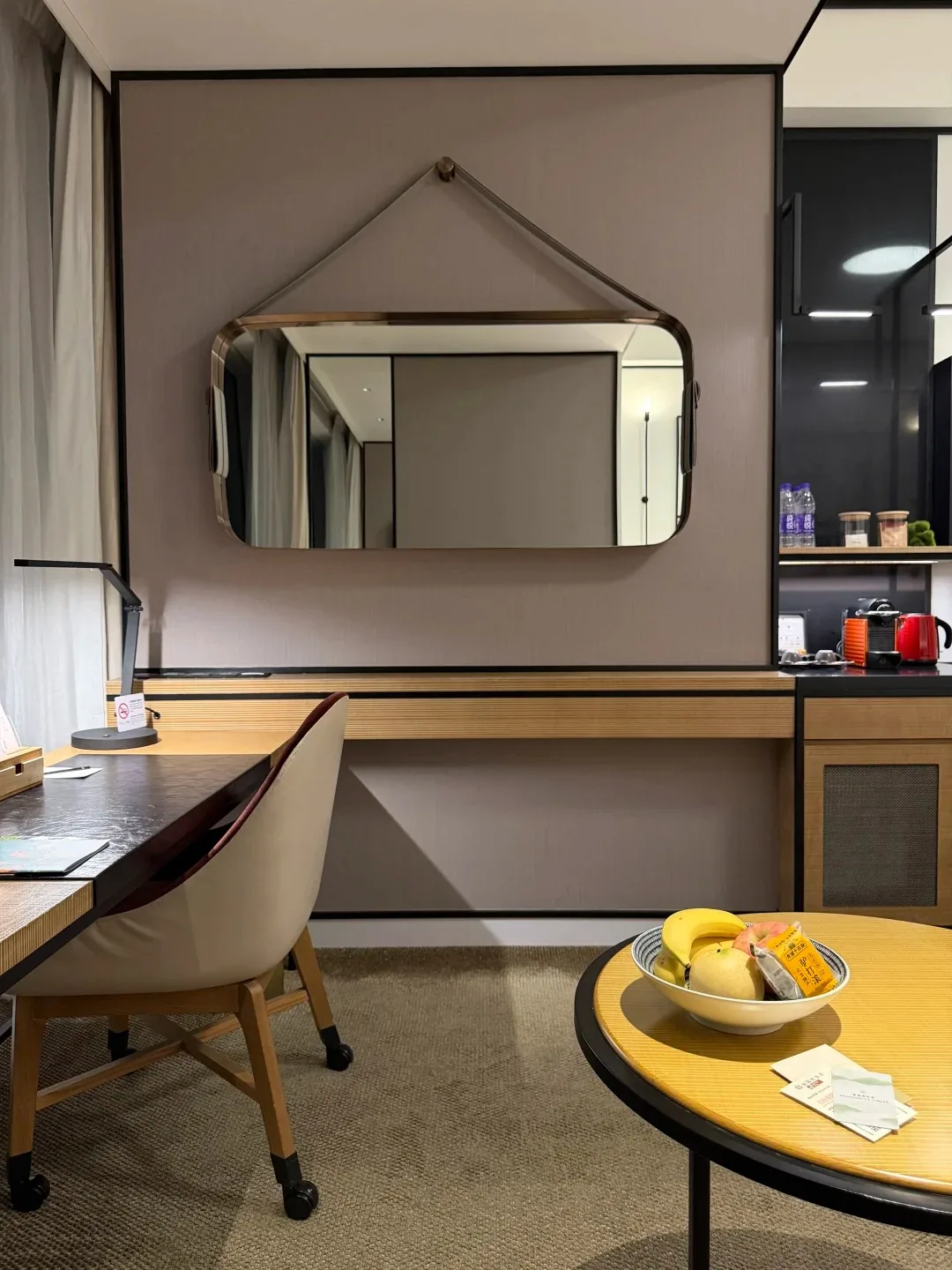
Send the hotel five concrete questions instead of asking whether it is family-friendly:
- Can this room legally hold the adults and children in the booking?
- Is the requested cot or extra bed confirmed, and what size is it?
- Is there a refrigerator, kettle and safe preparation surface?
- Can the room be reached by lift without stairs from the street?
- What is the simplest nearby breakfast or convenience store?
A reply stating “subject to availability” is not confirmation. Keep a fallback sleeping arrangement for arrival night.
Strollers, carriers and walking
Modern airports, malls and many metro stations have lifts, but the lift may be at a different exit or behind a long detour. Historic sites, old towns and mountain areas include thresholds, paving stones and stairs.
For a toddler, a compact stroller plus a lightweight carrier is more resilient than a large stroller alone. Do not block escalators, and fold the stroller on crowded buses or trains when requested.
At heritage sites, expect high thresholds, uneven stone and routes that do not return to the same gate. At mountain parks, an elevator or cableway only solves one section; queues and paths between stations may still require substantial walking. Mark the nearest exit before the child becomes exhausted.
Food, formula and drinking water
Save photos or Chinese names of foods your child reliably eats. Plain rice, noodles, steamed buns, eggs, dumplings, fruit and yogurt are widely available, but ingredients and spice levels vary. Say that an allergy is medical rather than merely a preference, and carry a translated allergy card.
Tap water is generally not treated as ready to drink. Use sealed bottled water or properly boiled water. Parents using formula should bring enough familiar formula for the transition period, check preparation instructions and keep a backup feeding plan for long station days.
For allergies, carry a short card naming the allergen and the consequence in Chinese. “No peanuts” may be understood as a taste preference unless the medical risk is explicit. Ask about sauces and cooking oil, not only visible ingredients, and keep prescribed emergency medication within reach.
Toilets and everyday hygiene
Carry tissues, wet wipes and hand sanitizer. Public facilities vary, and squat toilets remain common. Malls, newer museums and larger transport hubs are more likely to have accessible or family facilities. Build bathroom stops before long queues, cableways or boarding calls.
The toilet is a planning waypoint, not an emergency discovered later. Use the larger station facility before boarding, the museum facility before joining an outdoor queue and the mall stop before returning to a long metro ride. A child who is newly toilet trained may need a portable seat cover or the ability to use a squat toilet with adult support.
Phone, payment and contact plan
Set up mobile data before the first complicated transfer. Keep two payment methods and some cash rather than relying on one app. Put the hotel address, parents’ phone numbers and a simple bilingual message in an older child’s pocket or bag.
Take a screenshot of the family meeting point whenever you enter a large attraction. Dress children so they are easy to describe in a crowd, and photograph the day’s outfit each morning.
Do not keep every ticket and payment account on one parent’s phone. Put essential confirmations on both phones, and give an older child a paper hotel card. If one adult separates with a child, both sides should still be able to pay for an official taxi and show the hotel address.
Medicine and medical care
Bring routine medicines in original packaging, along with prescriptions and a short generic-name list. Rules and brand names differ, so check import restrictions before travel. Pack a thermometer, oral rehydration supplies, fever or pain medicine appropriate for the child, plasters and any allergy medication already prescribed.
For an emergency in mainland China, call 120 for an ambulance, 110 for police and 119 for fire. Travel insurance should cover children and planned activities. Hotel staff can help identify a nearby international clinic or hospital, but do not wait for the hotel in a life-threatening emergency.
Attraction choices by energy level
High energy
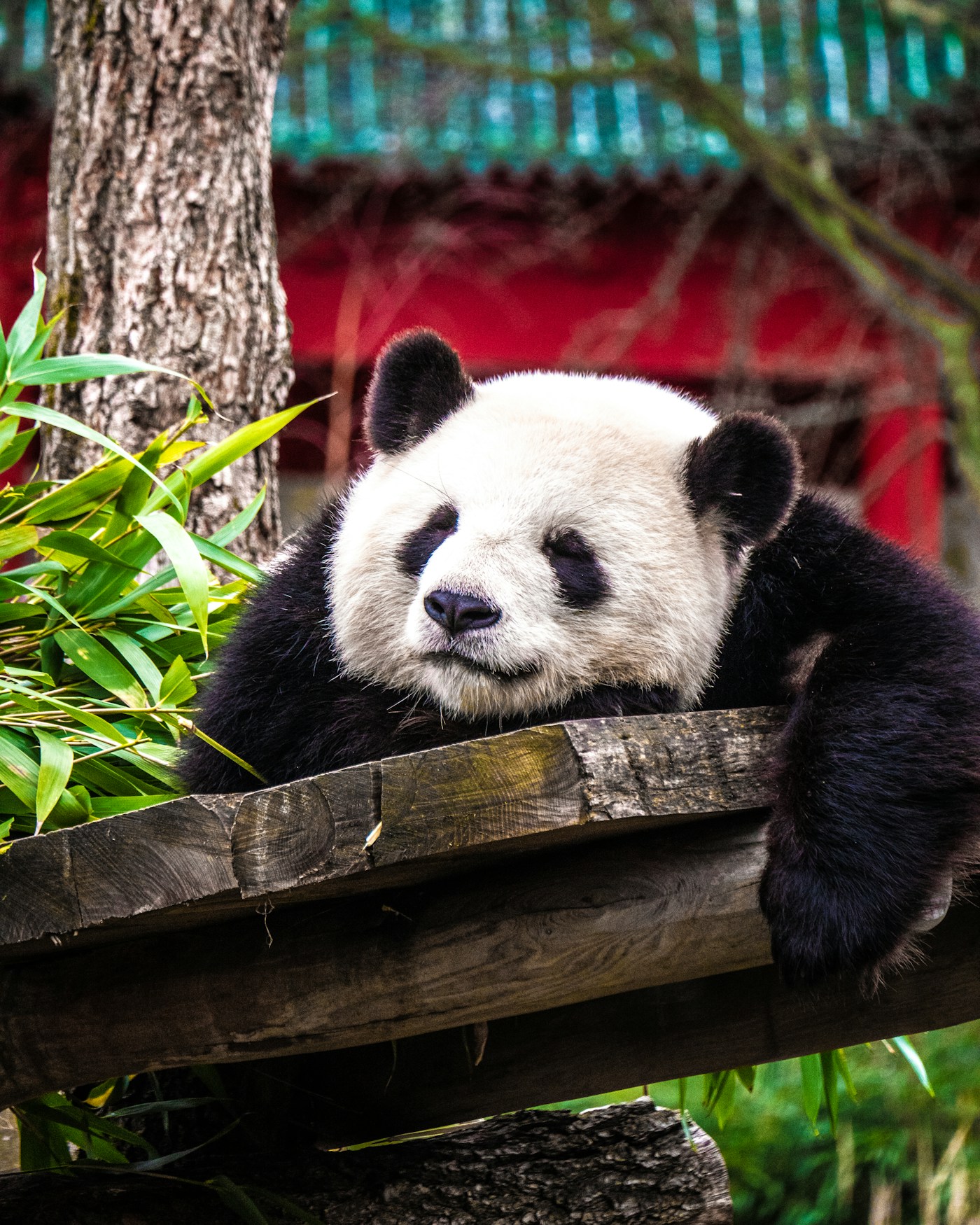
Theme parks, the Great Wall, large panda bases and mountain parks require early starts, long walking or queues. Give them a full day and a light following morning.
Medium energy
Forbidden City, Terracotta Warriors and major museums are manageable with one nearby park or meal, not another distant headline sight.
Recovery days
Neighborhood parks, riverfronts, aquariums, short boat rides and hotel-pool time keep a trip moving without another logistical contest.
Three family scenarios to plan before departure
A child is too tired to finish the day
Know which adult can return to the hotel, which transport avoids stairs and where the family will meet later. Do not make the ticket price a reason to stay after the day has failed.
One parent loses phone access
Both adults carry a hotel address, some payment redundancy and the other person’s phone number on paper. Essential passports stay in one agreed document pouch, not split unpredictably between bags.
A child becomes ill overnight
Use the insurance assistance line, ask the staffed hotel for a suitable clinic and bring the medicine list. For severe symptoms, use emergency services rather than waiting for a sightseeing booking or tour operator to respond.
Family mistakes to avoid
- Changing hotels every one or two nights.
- Booking a late train after an all-day attraction.
- Depending on one parent’s phone for tickets, directions and payment.
- Assuming every attraction allows a stroller throughout.
- Arriving without familiar snacks after the child’s normal meal time.
- Treating a child ticket as automatic instead of entering identity details.
- Leaving no plan for rain, heat or air-quality changes.
The night-before checklist
Charge both phones, put every passport in one document pouch, download the Chinese destination address, confirm the next ticket’s identity details, pack water and a familiar snack, and agree which adult handles navigation. A calm first hour is worth more than adding one last attraction.
Official sources checked
Child rail rules were checked against the official China Railway 12306 English FAQ. Emergency numbers were checked against current government travel guidance. Medicine, attraction and entry rules can change; verify them for the child’s passport, age and travel date.
Affiliate link — we may earn a commission at no extra cost to you. Booking is completed on Klook.