SOLO TRAVEL
Solo female travel in China is easiest when arrivals are boring
A practical solo female travel guide to China covering staffed hotels, late arrivals, trains, verified rides, phone failure, remote day trips and emergency help.
China’s major-city and high-speed-rail routes can work well for a solo female traveler. Make the vulnerable moments uneventful: reach a staffed hotel before late evening, verify the exact arrival station, keep the Chinese address offline, and retain a second way to navigate and pay if the phone fails.
The practical risks are usually a chain of small failures rather than one dramatic event—a late suburban-station arrival, an unregistered rental, a dead battery and no offline address. Break that chain before departure. Then use ordinary situational judgment rather than treating every busy street or friendly conversation as dangerous.
Start with a low-friction route
For a first solo trip, Beijing, Xi’an, Chengdu, Hangzhou and Shanghai connect well by rail and have substantial visitor infrastructure. Add a remote landscape area only after the phone, payment and booking systems are working.
Avoid one-night stops and same-day arrivals followed by isolated hikes. Our China itinerary planner shows how many bases fit each trip length.
Choose the hotel before the aesthetic
Look for:
- staffed reception at your arrival time;
- recent reviews from international travelers;
- a clear, well-lit route from metro or official taxi drop-off;
- the Chinese property name and exact branch address;
- a room with an internal lock and a real non-smoking option;
- a desk that confirms it handles foreign-guest registration.
Hotels normally register foreign guests. If you stay in a private home or other non-hotel accommodation, official rules require temporary accommodation registration within 24 hours; local authorities now also publish online channels for eligible non-hotel stays. Do not assume a short-term rental silently handles this.
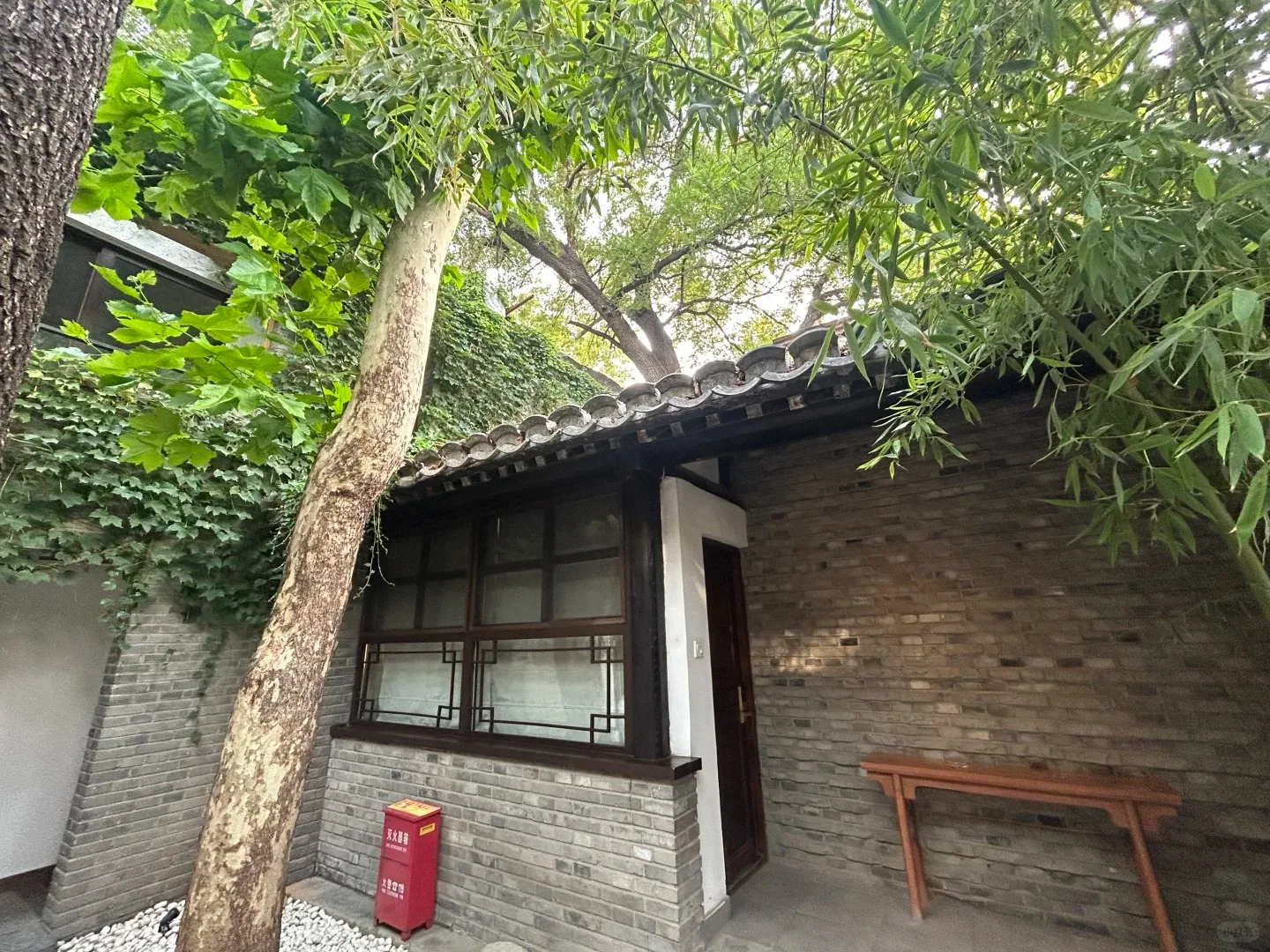
Send the hotel a simple pre-arrival message: your nationality, passport type, arrival time and request for confirmation that reception can complete foreign-guest registration. Save the reply. If reception appears confused at arrival, remain polite, show the confirmation and ask the property to contact its manager or local registration authority; do not hand over the passport to an unverified person outside reception.
Arrival-day rules
The first night in a city should be deliberately uneventful. Use a direct transfer, check in, set up the room and eat nearby. Do not schedule a distant night market after a late flight simply because it appears open.
At an airport or station:
- Ignore unsolicited transport offers inside the terminal.
- Follow signs to the official taxi queue, metro or booked pickup.
- Check the vehicle plate and destination in the app.
- Sit where you can exit easily and keep the document bag with you.
- Send the trip status or plate to a trusted contact when it helps you feel secure.
If arrival becomes late anyway
Tell the hotel, check the last practical metro or train, and compare that with an official taxi or in-app ride. Do not save a small fare by accepting an unsolicited ride when tired. If the property has no staffed late check-in despite promising one, move to a visible staffed area and contact the booking platform before traveling to an unknown substitute address.
Trains and stations
Carry the original passport used for booking. Arrive with time for security and the correct waiting area. Large cities have several stations, and a late arrival at a suburban station can create a long final transfer.
Keep valuables in a small bag that stays with you, even if the main suitcase goes on a rack. Set an alarm before your stop. If another passenger’s behavior makes you uncomfortable, move toward staff or a busier carriage area rather than arguing in an isolated space.
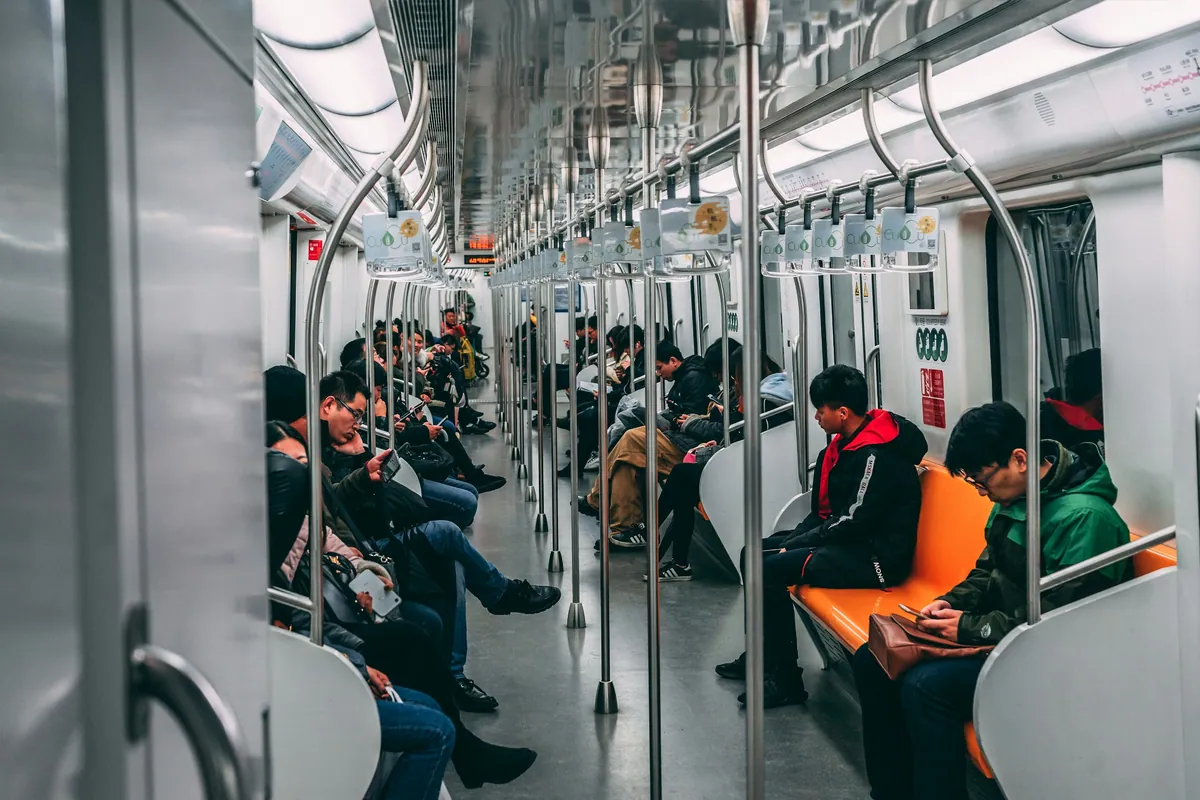
On a long-distance train, know the station before yours and set an alarm. Boarding calls and station names can pass quickly. Keep the passport, phone and wallet on your body during sleep; a suitcase can stay on the rack, but the essentials should not.
Night-time judgment
Busy central streets and metro systems can feel comfortable late, but conditions vary by neighborhood and city. Use the same rules you would use in another major destination:
- keep alcohol intake within your own control;
- do not follow a new acquaintance to a second, unclear location;
- use a verified ride instead of walking a deserted shortcut;
- keep earbuds low enough to hear traffic and people;
- leave when a situation feels wrong without debating politeness.
Government travel advice specifically recommends extra care for women traveling alone and notes that risk changes by location and circumstances.
A stranger changes the plan
If a new acquaintance suggests a different bar, tea shop, gallery, car or private room, pause before moving. Check the location independently and keep control of the return journey. “No, I already have plans” is enough; you do not owe a detailed explanation or continued conversation.
Common scams and pressure situations
Be cautious when a stranger quickly proposes tea, art, a bar, a private room or a purchase. A friendly conversation does not require moving to a merchant chosen by the other person. Check the bill before paying and leave if the price or setting changes.
QR codes can also lead to phishing or payment traps. Scan venue codes you intended to use, not random stickers or codes sent by an unknown contact. Keep one bank card and some cash separate from the everyday wallet.
Phone and payment redundancy
Do not make one phone a single point of failure. Before landing:
- activate data or know exactly how it will activate;
- save the hotel address in Chinese as a screenshot;
- download essential confirmations and maps;
- keep the phone charged with a compliant power bank;
- carry a physical card and a small amount of cash;
- write one emergency contact and the hotel phone number on paper.
If a ride-hailing or payment account stops working, the paper address and cash make an official taxi possible.
If the phone is lost or dead
Go to a staffed place such as the hotel desk, station service counter, police post or established shop. Show the paper hotel card and ask to call the property. Use the separate payment card or cash to return. Only after reaching a stable location should you lock accounts, replace the SIM or reorganize onward tickets.
The backup should not depend on remembering passwords stored only on the missing phone. Keep recovery codes or the contact method needed for essential accounts in a secure separate place.
Hiking and remote day trips
Use established scenic routes, respect closures and tell someone the expected return time. Weather can close mountain areas with little benefit from “pushing through.” Avoid unofficial shortcuts and do not separate from the last practical transport back to town.
For a private tour, use a traceable booking, keep the operator contact and confirm whether the guide or driver will be the same person shown in the booking. Share the itinerary when going to a remote area.

At the trailhead, identify the last official transport back and the point where you will turn around even if the viewpoint has not appeared. Avoid routes that exist only as a social-media pin with no current access information. A closed barrier, bad visibility or missing shuttle is a reason to leave, not a challenge to solve alone.
If you need help
- 110: police
- 120: ambulance
- 119: fire
- 122: traffic accident police
Ask hotel staff, station staff or uniformed security for immediate practical help. Keep your embassy or consulate’s contact details offline. For harassment or a suspected crime, move to a staffed public place and contact police rather than relying only on a platform chat.
If reporting an incident, record the location, time, vehicle plate, booking number or payment receipt while it is fresh. Ask for an interpreter if communication prevents an accurate report. Medical or legal help should come before trying to preserve a perfect travel schedule.
A conservative first-week rhythm
Use a central hotel for three or four nights, take one organized or clearly planned out-of-city day, and move between major cities in daylight. Add spontaneous evenings only after you understand the neighborhood and the transport home.
| Day type | Safer first-trip pattern |
|---|---|
| Arrival day | Direct transfer, staffed check-in, dinner nearby |
| City day | One anchor, familiar route home, optional evening |
| Remote day trip | Traceable booking or established route, fixed return time |
| Transfer day | Daylight arrival and no distant night plan |
| Free evening | Busy central area and a verified ride or known metro route back |
Four moments to rehearse
Before departure, say out loud what you will do if the hotel refuses check-in, the train reaches another station, a ride plate does not match, or the phone stops working. Each answer should begin with moving toward staff or a populated place—not with solving every app problem while standing alone outside.
Avoid these planning mistakes
- Booking an apartment without confirming accommodation registration.
- Arriving at an unfamiliar station after the metro stops.
- Storing every payment method, ticket and contact only on one phone.
- Accepting an unofficial taxi because the queue looks long.
- Following a viral mountain route after an official weather closure.
- Posting a live room number or precise accommodation location publicly.
- Assuming low street crime means no need for ordinary judgment.
Official sources checked
Accommodation registration was checked against China’s National Immigration Administration, including its 2026 online-registration notice. Emergency numbers and solo-travel cautions were checked against current UK, US and Australian government travel guidance. Advisories describe risk, not a guarantee of individual safety; review the guidance issued for your nationality before departure.
Affiliate link — we may earn a commission at no extra cost to you. Booking is completed on Klook.