Tea culture you can actually use
Chinese tea for travelers: types, teahouses and buying
A practical Chinese tea guide to six tea types, teahouses, price units, buying by weight and avoiding unclear tourist tea invitations.
- Six tea categories
- Useful teahouse language
- Buying and price checks
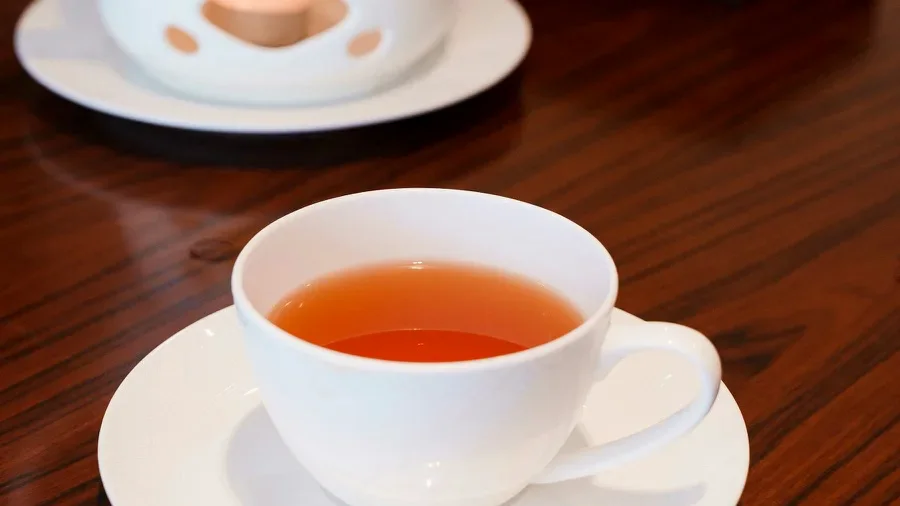
Tea in China can be a paper cup on a train, jasmine tea in Beijing, an afternoon in a Chengdu park or a guided tasting in a specialist shop. For a first visit, learn the broad tea category and confirm how the venue charges before anything is poured.
Before a tea tasting: confirm the venue and price
Traveler discussions about tea concentrate on one avoidable problem: an unsolicited invitation in a tourist area followed by an unclear bill. The warning pattern is specific. A stranger quickly suggests practising English or seeing a tea ceremony, leads you to a venue you did not choose, and leaves the price unclear until the tasting is over.
- choose and check the venue on your own phone;
- ask whether the charge is per person, pot, serving or gram;
- confirm the total before tea or snacks are served;
- leave if the menu or charging unit remains unclear;
- keep your passport and payment device with you.
Ordinary teahouses are not the problem. Choosing the venue yourself and agreeing on the charge keeps the exchange straightforward.
The six broad tea categories
Fresh, grassy to chestnut-like; usually brewed cooler than fully oxidised tea.
Lightly processed, often soft and hay-like; flavour changes with age and storage.
A small, less common category with a mellowing step after heating.
Partly oxidised; styles range from floral and green to roasted and dark.
The category English usually calls black tea, named for the colour of the liquor.
Post-fermented tea; many pu'er teas sit in or beside this family depending on classification.
普洱茶 (Pǔ’ěr chá) deserves its own note. Raw 生普 (shēng pǔ) and ripe 熟普 (shú pǔ) are processed and aged differently, so “pu’er” alone does not predict the flavour. Storage matters as much as the printed age.
Match the tea to the place
| Place | Tea connection | A useful travel experience |
|---|---|---|
| Hangzhou, Zhejiang | Longjing green tea | Visit a reputable tea village or shop, but keep sightseeing and purchasing decisions separate |
| Fujian | Wuyi rock tea, Tieguanyin and white tea traditions | Compare a roasted oolong with a floral one |
| Yunnan | Pu’er and diverse tea-growing areas | Ask whether a sample is raw or ripe and how it was stored |
| Anhui | Huangshan Maofeng, Qimen black tea and other famous styles | Taste before buying a gift tin |
| Chengdu, Sichuan | Everyday public teahouse culture | Sit in a park teahouse and treat the time, not ceremony, as the main event |
| Beijing | Jasmine tea and long-established tea shops | Order by pot and confirm any cover or snack charge |
The Chengdu guide is the easiest place to pair tea with an ordinary city day; the Hangzhou guide helps place Longjing country around a West Lake itinerary.
How to order in a teahouse
Start by asking for the tea menu and the charging unit.
- 有茶单吗?— Yǒu chádān ma? — Do you have a tea menu?
- 这个怎么收费?— Zhège zěnme shōufèi? — How is this charged?
- 是一壶的价格吗?— Shì yì hú de jiàgé ma? — Is that the price for one pot?
- 可以先试喝吗?— Kěyǐ xiān shìhē ma? — May I taste it first?
- 请给我加水 — Qǐng gěi wǒ jiā shuǐ — Please add hot water.
Use the Chinese phrase cards if you want to show these on screen. In many casual teahouses, staff will refill hot water and leave you alone. In a formal tasting, the host may rinse vessels and serve several tiny infusions. Follow their pace; there is no test.
Small etiquette that feels natural
Accept a cup with a quiet 谢谢 (xièxie). When someone pours tea for you at a crowded table, a light two-finger tap on the table is a familiar gesture of thanks in parts of southern China, but it is optional. Do not worry about copying every movement.
The first rinse may be discarded for some teas and not for others. Do not assume it is a drink until the host serves it. Strong slurping can be part of professional tasting, but ordinary guests can simply sip.
Buying tea without buying a story
Before a seller packs anything, confirm five details:
- Exact name and type — not just “famous tea.”
- Stated origin — province, mountain or production area.
- Harvest or production information — especially for seasonal green tea.
- Weight and unit price — per gram, 50 grams, 500 grams or tin.
- Total price and receipt — before sealing gift packaging.
Expensive packaging does not prove leaf quality, and a printed vintage does not prove good storage. Sample the same batch you will buy when possible. If you only want a souvenir, set the total budget first and say 我只要这一盒 (Wǒ zhǐ yào zhè yì hé) — I only want this one box.
Agricultural import rules vary by destination and can change. Check your home country’s current customs and biosecurity rules before carrying loose tea, herbs or plant material across a border.
A low-pressure first tasting
Order two contrasting teas rather than six similar ones: for example, a fresh green tea and a roasted oolong, or jasmine tea and ripe pu’er. Note aroma, body and aftertaste in plain language. “I like this one” is a complete tasting note.
Take the category names into a second city and compare what arrives in the cup. Geography, processing and the setting often matter more than a prestige label.