MOON FESTIVAL TRAVEL GUIDE
Mid‑Autumn Festival in China: 2026 Travel Guide
Mid-Autumn Festival 2026 falls on September 25, with a three-day China holiday. Plan trains, crowds, closures, mooncakes and an evening that works.
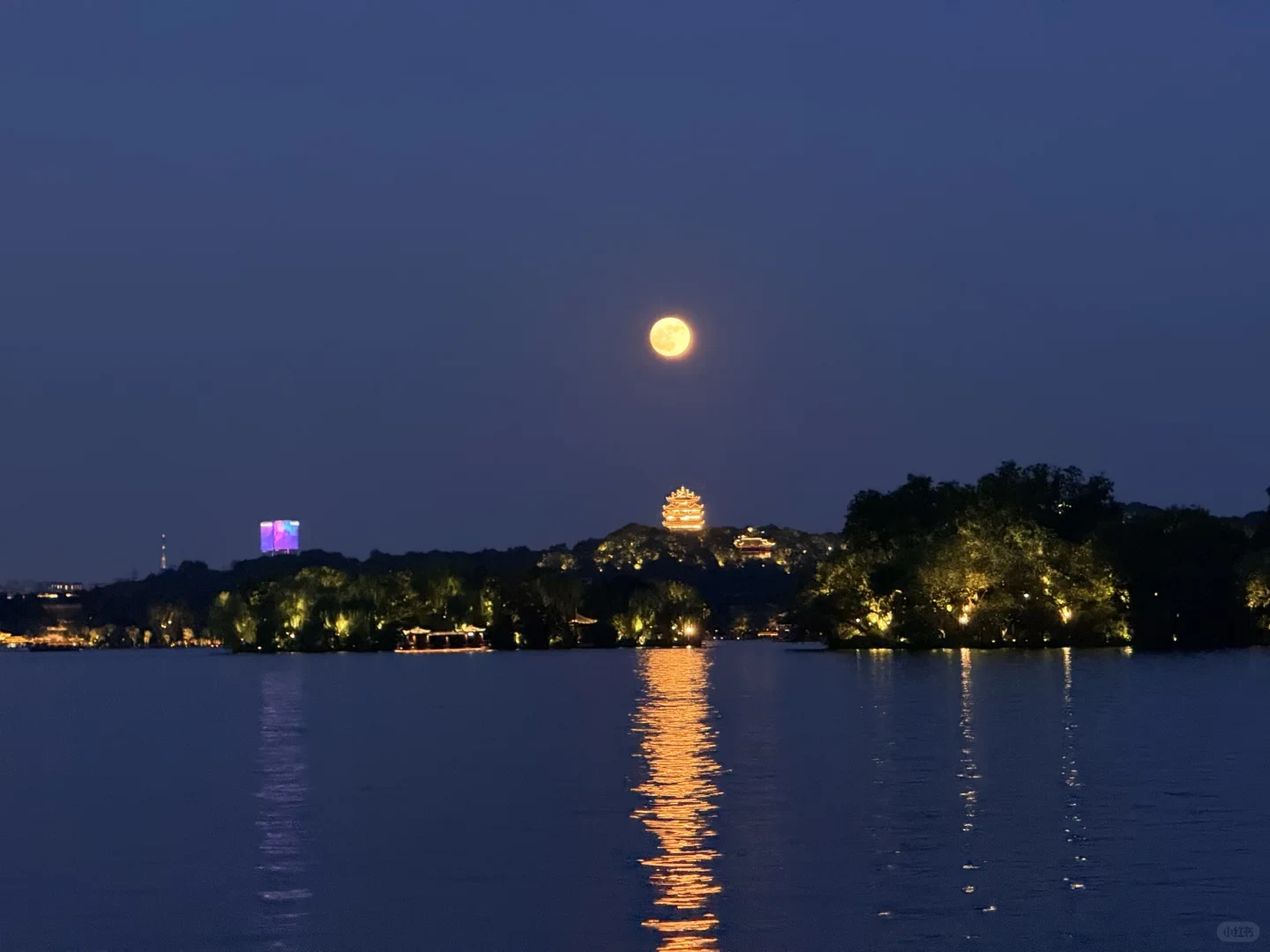
China’s Mid-Autumn Festival falls on Friday, September 25, 2026. The official public holiday runs September 25–27, with no make-up workday attached to this break. It is a family-reunion festival, not a week-long national shutdown.
For a visitor, the main problem is a compressed weekend of domestic travel demand. The opportunity is an easy one: stay in one city, protect the evening of September 25, buy a mooncake you actually want to taste, and choose a waterfront, park or skyline plan with an indoor backup.
The dates that affect a 2026 trip
The State Council’s official calendar sets the Mid-Autumn break for Friday through Sunday, September 25–27. China Railway’s holiday transport period is broader: September 23–October 8, covering both Mid-Autumn Festival and the National Day holiday that follows.
| Date | What it means for a traveler |
|---|---|
| Sep 23–24 | Holiday rail demand is already building; avoid assuming an easy last-minute departure |
| Sep 25 | Mid-Autumn Festival and the first day of the public holiday |
| Sep 26–27 | Holiday weekend; popular sights and return trains can be busy |
| Sep 28–30 | Normal working days, but some travelers may bridge the two holidays with leave |
| Oct 1–7 | National Day Golden Week; far greater nationwide travel pressure |
| Oct 8 | First day after Golden Week; return traffic can continue |
| Oct 9 onward | A more dependable point to restart a fast multi-city route |
As of September 13, the standard 15-day railway sales window has already opened for September 25 departures. Search live inventory now rather than relying on an old availability screenshot. Foreign travelers can book on the official 12306 English site with an accepted passport, or use a clearly disclosed booking service if multilingual support and international payment are more useful.
Does China close for Mid-Autumn Festival?
No. Transport, hotels, restaurants and tourist attractions generally continue operating, but individual hours, reservation rules and capacity can change. Government offices and many workplaces follow the public holiday; a small independent business may close for a family meal or shorten its hours.
Check each part of the trip separately:
- Trains and flights: operating, but popular departures may be scarce or expensive.
- Major attractions: usually operating, often with timed reservations and heavier demand.
- Restaurants: many remain open; a specific family-run place may change its hours.
- Museums and parks: use the venue’s official account or notice for holiday opening hours.
- Meetings and services: confirm directly instead of inferring availability from a map listing.
The practical risk is not arriving in a closed country. It is building a day around one unverified opening time and having no alternative.
Is Mid-Autumn as crowded as Golden Week?
Usually not. Mid-Autumn is a three-day long weekend in 2026; National Day is a seven-day holiday from October 1–7. The shorter break still creates sharp pressure on Friday departures, Sunday returns and famous evening areas, but it does not sustain the same nationwide travel wave for a full week.
| Decision | Mid-Autumn, Sep 25–27 | Golden Week, Oct 1–7 |
|---|---|---|
| Intercity route | One confirmed move can work | Stay in one base if possible |
| Hotel strategy | Hold a central, cancellable room | Book early and avoid changing cities |
| Sightseeing | One reserved anchor plus flexible time | Every headline sight needs a firm plan |
| Evening | Festival atmosphere can be the point | Crowd management often dominates |
| Best alternative | Travel before Sep 23 or after Sep 27 | Start the classic route Oct 9 or later |
If your itinerary runs from late September into October, solve the two periods together. Do not treat September 28–30 as proof that trains and hotels will reset completely before Golden Week. Use the separate Golden Week 2026 plan for October 1–7.
What will a foreign visitor actually experience?
Mid-Autumn Festival is built around family reunion, mooncakes and looking at the moon. You may see seasonal gift boxes in hotels and shops, lanterns in some public spaces, limited-edition menus and city-specific cultural events. You should not expect one national countdown, one universal temple ceremony or a parade in every city.
The festival often feels more like an evening shared with family and friends than a loud street carnival. That makes it accessible to a visitor: buy a small mooncake, take an after-dinner walk and enjoy whatever local programming is genuinely listed for that date. It also means a generic “festival” label on a commercial tour should not be treated as evidence of an official event.
Four city plans that work without chasing a spectacle
Shanghai: use the riverfront, but verify the exact event
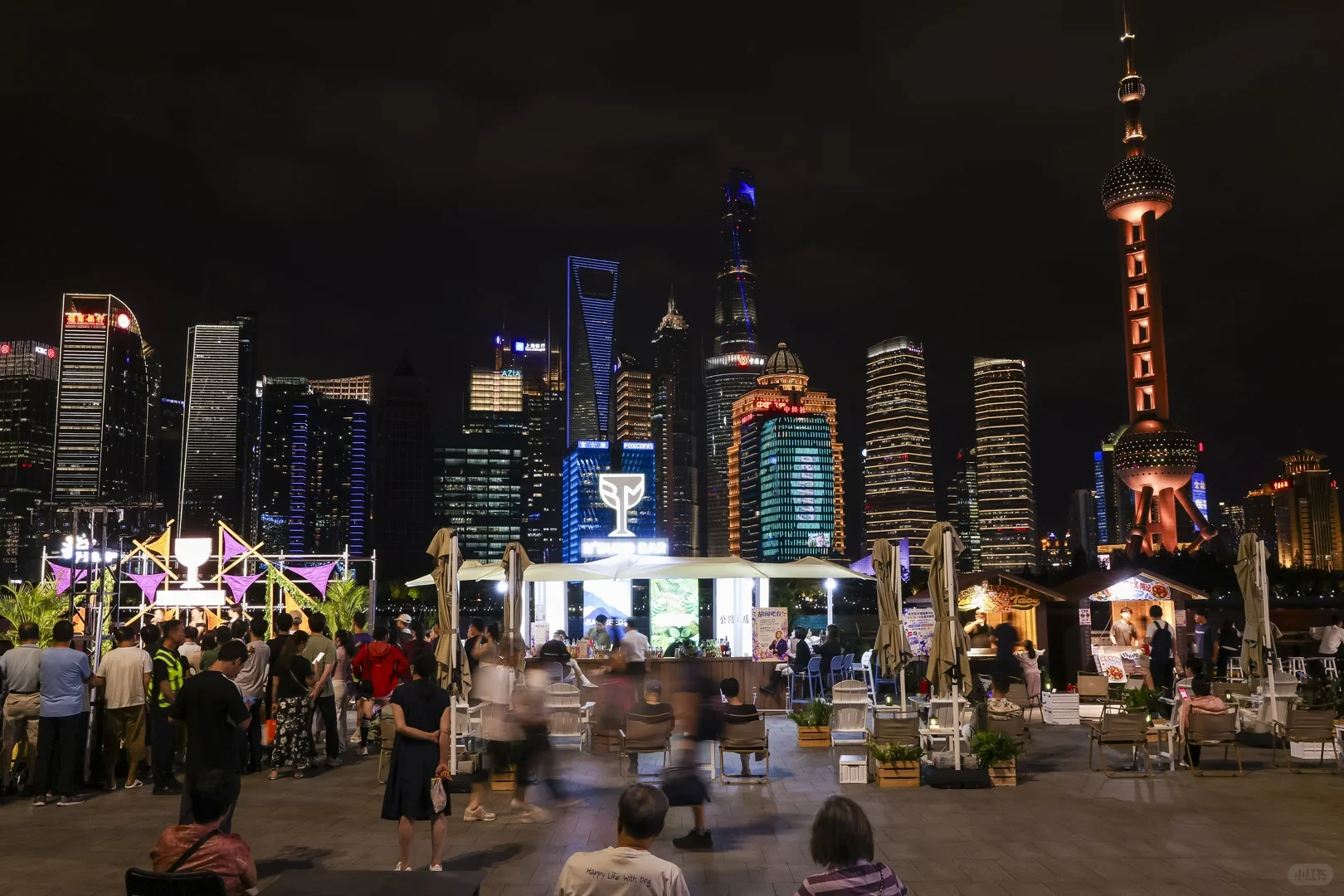
Shanghai has the clearest confirmed 2026 visitor programming so far. The municipal tourism-festival notice lists Mid-Autumn folk activities in Minhang from September 25–27 and a Guochao carnival at the North Bund from September 25–28. A separate city notice describes a themed Oriental Pearl riverfront experience and cruise collaboration. Check the official event page again close to the date because access, sessions and weather arrangements can change.
For a low-friction evening, choose one of three levels: a Bund and North Bund walk, a timed Huangpu River cruise, or a skyline observation deck. An ordinary cruise or Shanghai Tower ticket can still be a good night plan, but do not assume a product includes the official themed cruise unless the product page explicitly says so.
Beijing: Shichahai or a park, followed by dinner
Choose one waterside area rather than crossing the city for an unconfirmed lantern display. Shichahai combines lake views, hutong lanes and restaurants; Beihai Park can work earlier in the day if its live holiday hours and ticket rules fit. Keep the evening compact and save the original Chinese destination name for your return ride.
Hangzhou: West Lake with a weather-proof second half
West Lake fits the moon-and-water association naturally, but its famous causeways are not secret festival escapes. Pick one lakeshore section, arrive before the evening peak and reserve dinner away from the busiest boarding points. If the forecast is poor, treat the lake walk as optional rather than forcing the night around a view the weather cannot guarantee.
Suzhou: canals and an early return plan
Suzhou’s canals and gardens make a strong late-afternoon setting, especially if you are already based there. If you are visiting from Shanghai, confirm both outbound and return trains before buying another timed activity. Lanterns and decorations create atmosphere, but they do not by themselves confirm a scheduled Mid-Autumn performance.
A booking plan for fixed dates
Now: confirm the route
Check the exact train stations, live inventory and passport details. If your preferred departure has disappeared, change the time or reduce the route before buying a non-refundable hotel. The China train ticket guide explains passport verification and station boarding.
One week before: choose one anchor
Reserve one attraction, cruise, show or dinner that gives the day a shape. Read what the ticket actually includes, match passenger names to passports where required, and record the cancellation deadline in China time.
Two or three days before: check the local layer
Look for official city or venue notices, opening-hour changes and the weather forecast. Keep one indoor alternative. A museum, observation deck or long dinner is a better backup than trying to transfer to another district in holiday traffic.
On September 25: leave slack
Carry the original passport used for bookings, leave extra station time, eat before the evening rush and avoid stacking two non-refundable reservations. The festival is easier to enjoy when the plan still works without a perfect moon or a viral event.
How to buy a mooncake without ending up with a giant gift box
Mooncakes vary by region and filling. Lotus-seed paste, red-bean paste, mixed nuts and salted egg yolk are common, while newer shops sell tea, chocolate, fruit and ice-cream versions. Shanghai also has hot, flaky fresh-meat mooncakes (鲜肉月饼), which are savoury and best eaten soon after purchase. Texture and sweetness differ considerably.

For one or two travelers:
- Buy a single cake or a small mixed box instead of the largest presentation box.
- Ask what the filling is; an egg-yolk mooncake can contain one or more salted yolks.
- Check the ingredient and allergen label, especially for nuts, egg, dairy or gluten.
- Notice whether it needs refrigeration before carrying it all day.
- Treat elaborate packaging as a gift format, not evidence that the cake inside will suit you.
Sharing one cake in slices is normal and more useful for tasting several styles. If you are flying onward, keep the sealed ingredient label and check the destination country’s food-import rules before packing cakes that contain egg yolk or meat.
Mid-Autumn and Golden Week are not one holiday
The two breaks are close in 2026, but they create different trips. Mid-Autumn Festival is the lunar-calendar reunion festival on September 25; National Day is the fixed-date state holiday beginning October 1. Some residents may take annual leave between them, yet September 28–30 remain official working days.
Do not use “Golden Week” as a label for the entire period from September 25. For booking, read the exact travel date and the exact public-holiday calendar. For culture, give each festival its own meaning.
Frequently asked questions
When is Mid-Autumn Festival in China in 2026?
It falls on Friday, September 25, 2026. The official public holiday is September 25–27.
Does China close during Mid-Autumn Festival?
No. Transport, hotels, restaurants and attractions generally operate, but demand increases and individual venues may change hours or reservation rules. Government offices and many workplaces observe the public holiday.
Is Mid-Autumn Festival as crowded as Golden Week?
No. It is a shorter, three-day break in 2026, so the pressure is more concentrated. Popular trains and evening districts can still be busy. Golden Week from October 1–7 creates a broader and longer nationwide travel peak.
Can foreign travelers take part in the festival?
Yes. There is no special access requirement. Share mooncakes, visit a park or waterfront, and join a publicly listed city event. Check the official listing instead of assuming every lantern display is a formal festival program.
Which city is best for Mid-Autumn Festival?
Choose the city already on your route. Shanghai has confirmed 2026 tourism-festival activities; Beijing, Hangzhou and Suzhou offer strong water-and-evening settings even without a special event. A confirmed, simple plan is better than an extra holiday-weekend train journey.
Sources
- State Council: official 2026 public holiday schedule
- Beijing government: China Railway’s 2026 Mid-Autumn and National Day transport plan
- China Railway 12306: official FAQ for foreign passengers
- Shanghai government: 2026 Shanghai Tourism Festival activities
- Shanghai government: Mid-Autumn riverfront experience at Oriental Pearl
- China Culture: mooncakes, reunion and moon-gazing traditions
Affiliate link — we may earn a commission at no extra cost to you. Booking is completed on Klook.