Hong Kong · Map & where to stay
Where to stay in Hong Kong
Compare Hong Kong hotel areas on a map: Tsim Sha Tsui, Jordan, Central, Sheung Wan, Wan Chai, Causeway Bay and Tung Chung, with exit and departure-day checks.
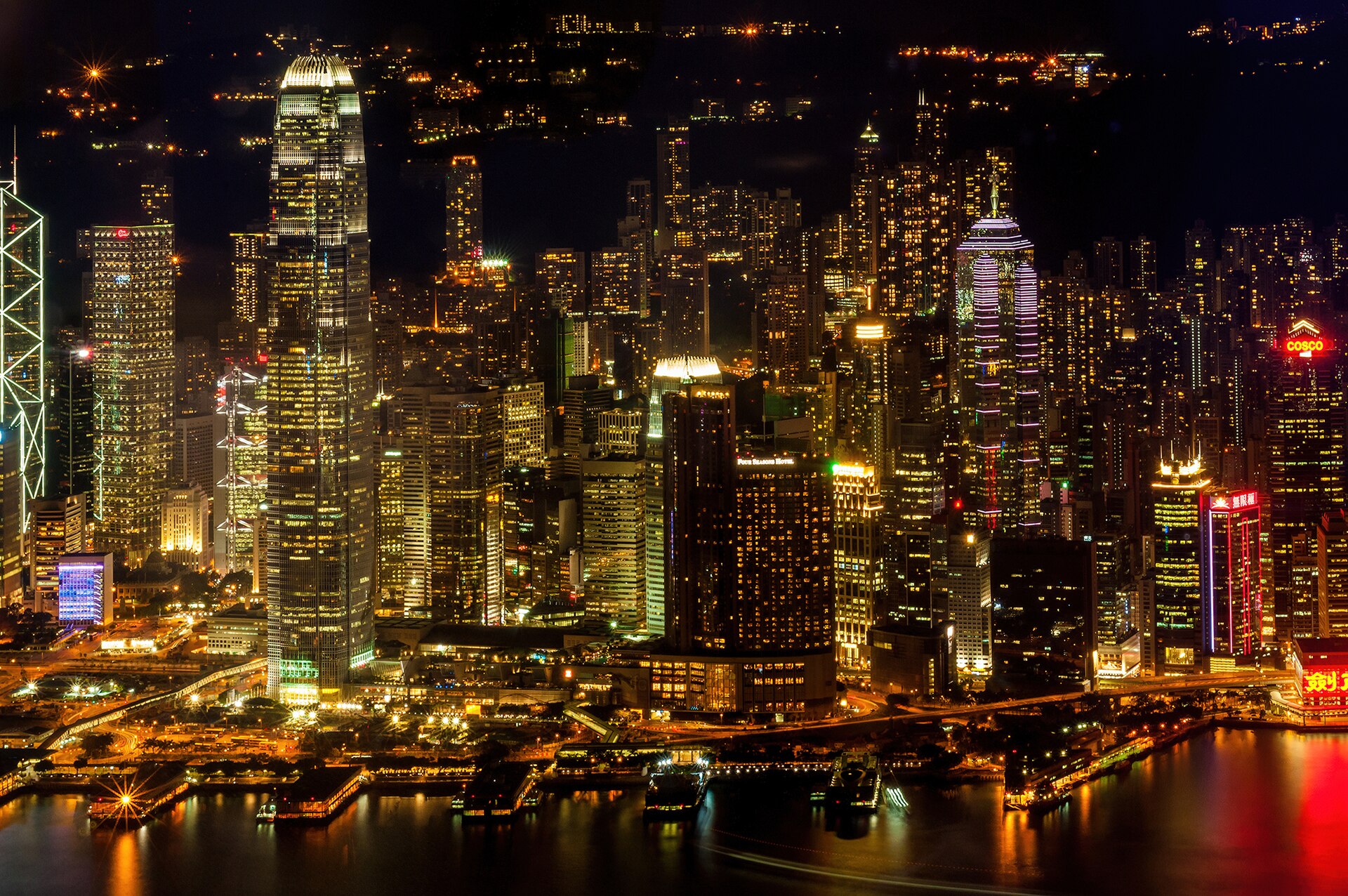
Shortlist Tsim Sha Tsui or Jordan for a Kowloon-heavy first visit; Central or Sheung Wan for an island-heavy itinerary. Wan Chai and Causeway Bay can fit equally well when your days are on that side of the harbour. Choose the exact hotel address and usable station exit before deciding that one district is “best.”
Read the harbour first, then the station exits
Kowloon sits north of Victoria Harbour and Hong Kong Island to the south. Tsim Sha Tsui faces the waterfront on the Kowloon side; Jordan and Mong Kok are farther north. Central, Sheung Wan, Wan Chai and Causeway Bay lie along the northern side of Hong Kong Island. Tung Chung is on Lantau, outside the central-harbour map below, and serves a different kind of stay.
Open the street map in a larger view and the official MTR system and station maps together. The first explains geography; the second explains connections and exits. A station symbol is not a hotel entrance. For bags or a stroller, check a usable lift route on both sides of the journey.
Six bases and the compromise each one makes
| Area | Fits this trip | Address-level check |
|---|---|---|
| Tsim Sha Tsui / East Tsim Sha Tsui | Harbour walks, museums, shopping and a Kowloon base | Which station and exit; long passages can hide behind “near MTR” |
| Jordan / Yau Ma Tei | Kowloon food and street walks, often a useful alternative shortlist | Building entrance, lift, room size and the actual walk to your departure point |
| Central / Sheung Wan | Island walks, dining and routes beginning on the island | Slopes and steps; “Central” can mean a hillside address |
| Wan Chai | Island sightseeing, events and a less western base | Wan Chai station versus Exhibition Centre station and your venue entrance |
| Causeway Bay | Shopping, food and repeated visits in eastern central Hong Kong Island | Cross-harbour journeys in your actual itinerary; hotel distance from the exit |
| Tung Chung | Lantau-focused visit or an airport-oriented final night | Extra journeys if most sightseeing is around Victoria Harbour |
These are itinerary fits, not rankings of hotel quality or current room prices. Two rooms on the same street can differ more than two neighborhoods. Check the selected room’s windows, bathroom, bed arrangement and space for open suitcases. A large room in a hotel photo may belong to a different category from the one in your basket.
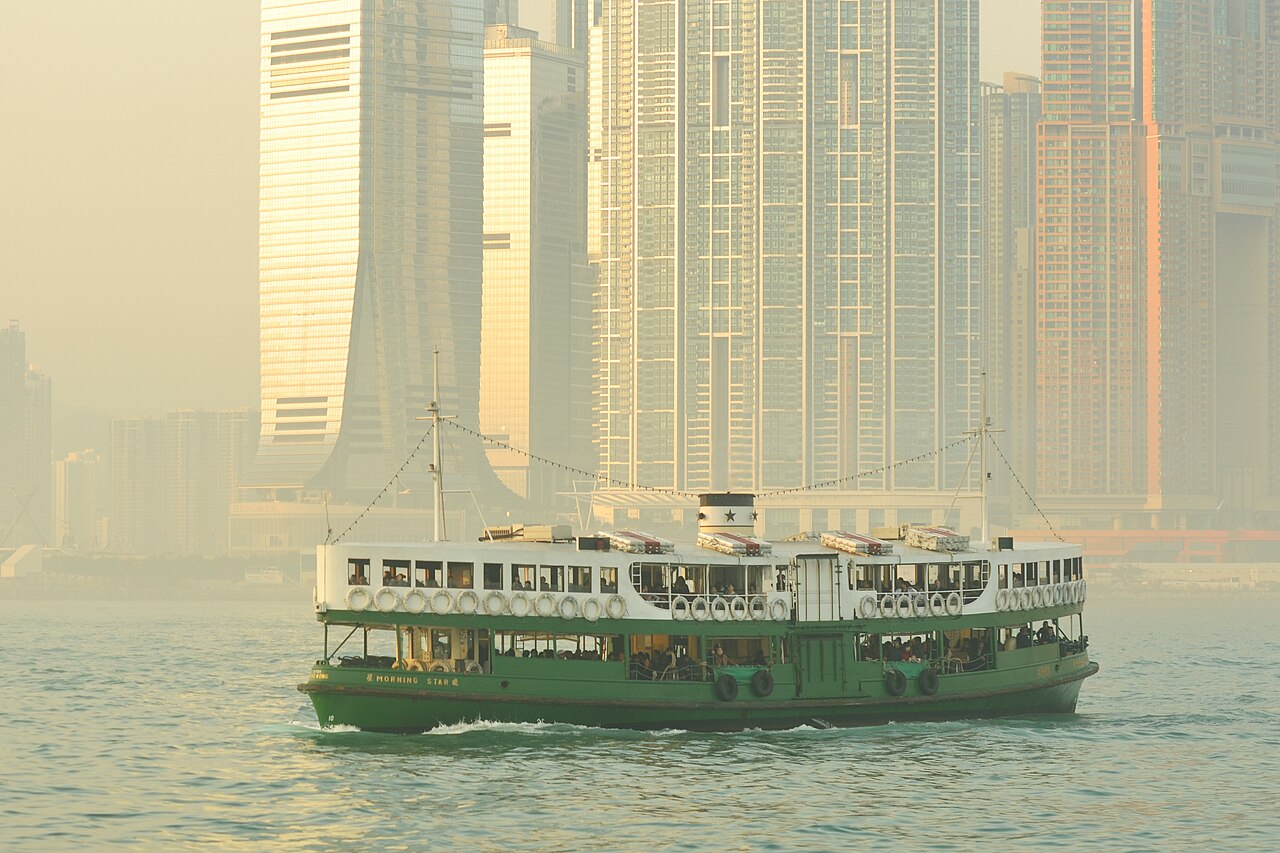

Use a three-journey test to break a tie
For each shortlisted address, route three journeys: arrival with bags, the outing you will repeat or care about most, and departure with bags. Add the hotel-to-exit walking segment instead of comparing only train minutes. Count harbour crossings across the whole stay. An occasional crossing is part of the visit; repeating it every morning, afternoon and evening can make a poorly matched base tiring.
A traveler staying in Causeway Bay described long days away from the room because much of the itinerary was elsewhere. That experience supports checking the day’s geography, not a blanket warning against Causeway Bay. The post’s description of mandatory transfers through Central is also too broad: use the official MTR map for the actual route, including interchange options such as Admiralty.
If you want a midday hotel break, treat that as a real destination. Choose a base near the afternoon’s activities, or accept that the day will be spent out. This can matter more for young children, older travelers or anyone who prefers a slower trip than being closest to the greatest number of attractions on a map. Your hotel should support your pace, not just your arrival photograph.
Four itineraries, four different sensible choices
Three nights with a first-time harbour itinerary: compare Tsim Sha Tsui and Central addresses. Put the Peak and island walking on the same day, then group Kowloon walks separately. If you expect to spend most evenings on the Tsim Sha Tsui promenade, returning to a nearby hotel is a meaningful benefit. If your dinners and walks are on the island, the opposite choice can be better.
Family visiting Disneyland plus the city: decide whether the park is one full day or the main purpose of the stay. A central base can work for one park outing. A park or Lantau stay may reduce repeated travel for several park days, but creates a different commute for city sightseeing. Avoid moving hotels for a single marginally shorter train ride when packing and checkout would consume the saving.
Early flight after an otherwise central trip: compare a direct airport transfer from your existing hotel with changing to a Lantau hotel for the last night. Include the cost and time of moving your bags, not just the final morning’s ride. A confirmed car may be simpler; a nearby airport stay may fit a very early departure. Check the actual service hours before deciding.
High-speed train departure from West Kowloon: compare the full route from each hotel to the railway terminal. Kowloon Airport Express station, Austin station and West Kowloon are different names with different roles. A hotel advertised as “Kowloon” is not automatically close enough to walk with luggage. Confirm the departure procedures and allow time inside the terminal.
Airport Express convenience is an address question
Airport Express tickets distinguish destinations such as Kowloon and Hong Kong stations. Those station names do not include a ride to every hotel in their wider districts. Work out the final walk, MTR connection or vehicle ride before buying. A direct airport bus or car can be more convenient for some addresses even if the rail journey itself is faster.
Compare the rail option with the complete transfer cost for your group. A solo traveler with a small bag and a hotel near a suitable station has different needs from four people carrying large suitcases. Use the airport-to-city guide for the detailed choice. Buying a ticket early is useful only when the route and package match your arrival.
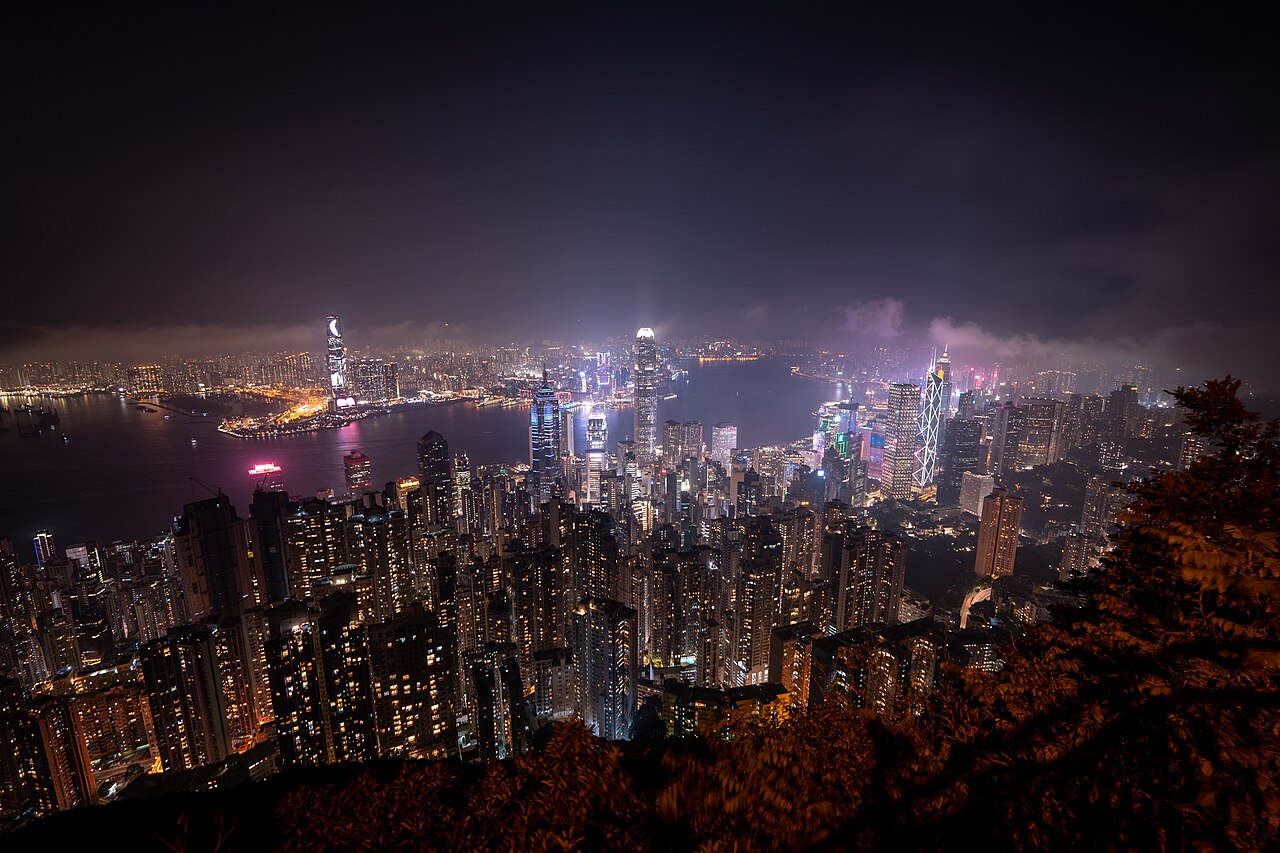

Check the building as carefully as the neighborhood
Read recent comments about the specific property for lift access, construction, reception arrangements and room layout. District-wide labels such as “quiet,” “safe” or “lively” are too broad to establish the conditions of a particular room. If a late arrival needs a self-check-in code, confirm when and how it is supplied. Save the full street address and branch name offline.
Ask about baggage holding if checkout and departure are many hours apart. A room that is convenient for sightseeing can become awkward if you must return across the harbour to collect suitcases. The luggage-storage guide helps compare hotel storage, city facilities and delivery. Do that comparison before paying for late checkout or another hotel night.
For step-free travel, examine the station layout and the path from its lift to the property, then ask the hotel about the entrance and room access. “Lift in building” does not rule out steps before that lift. A street map cannot confirm an accessible room, and a hotel’s accessible room does not guarantee the surrounding pedestrian route meets your needs.
Choose the room, then build the days
Once two addresses have workable journeys, choose between their actual rooms and final prices instead of searching endlessly for a universally best district. Build geographically grouped days with the Hong Kong city guide, choose Octopus payment for ordinary travel, and keep Ngong Ping and Disneyland as properly planned Lantau outings.
Opening photograph: Wikimedia Commons contributor, CC0. Photos are resized for the web; displayed crops may vary by screen. Share-alike adaptations retain the original license. Archive photographs do not establish current signs, timetables or facility access.

Area recommendations are editorial judgments about the stated itineraries. The street map is provided by OpenStreetMap contributors; it does not establish hotel availability, accessibility or a guaranteed walking time.