HONG KONG FIELD GUIDE
Hong Kong travel guide for a first visit
A practical first-timer's Hong Kong guide: a three-day neighbourhood itinerary, what is worth seeing, food, hotel bases, airport transport, weather and Shenzhen or Macao connections.
- 2–3 day route
- Where to stay
- Shenzhen and Macao links
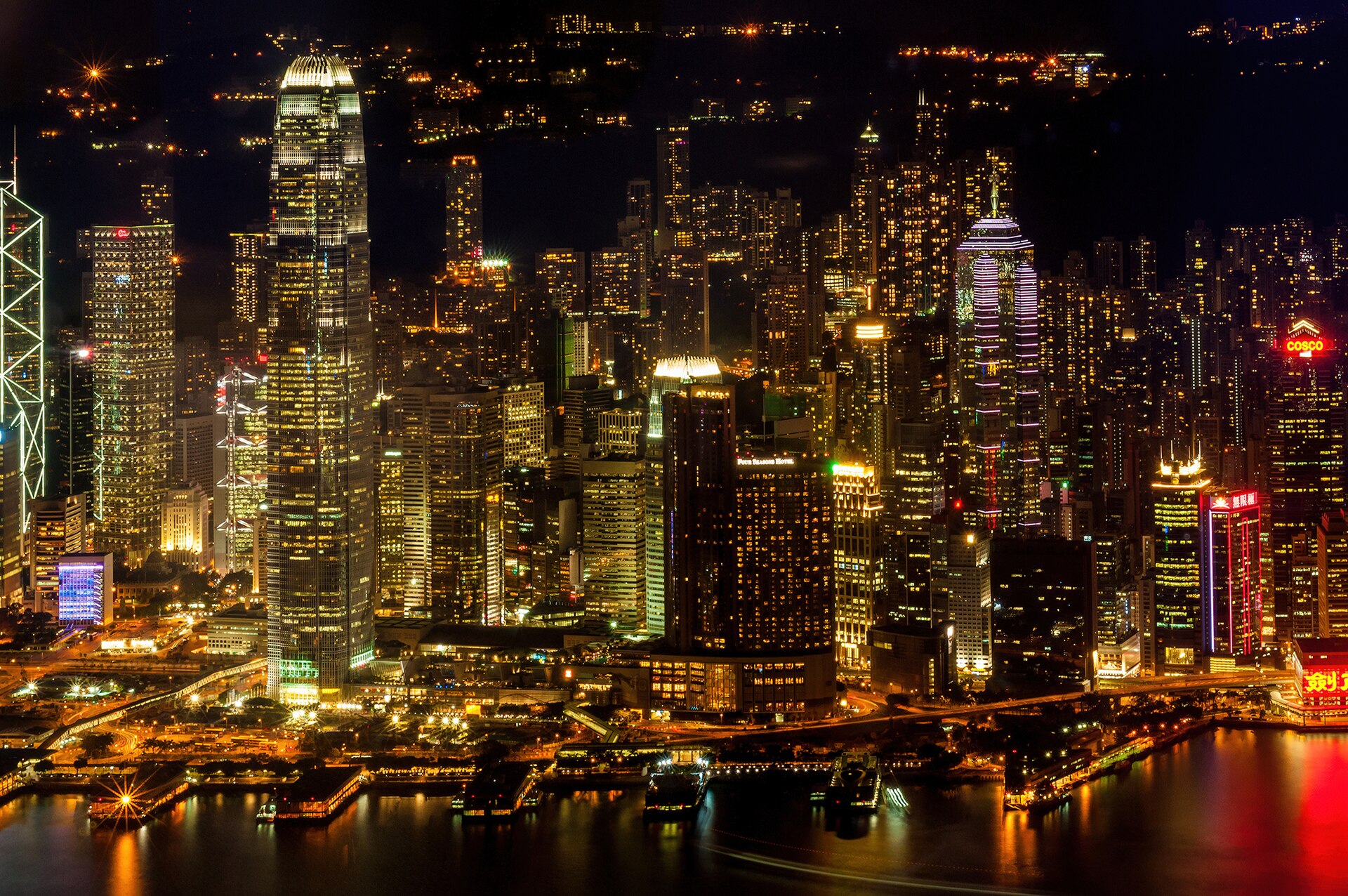
Hong Kong is best experienced as a city of short, contrasting journeys: an old street above Central, ten minutes on the harbour, a market in Kowloon, then a hillside view that explains the whole geography. It is tempting to collect the Peak, Disneyland, a giant Buddha and three markets in one day. You will remember the transfers more clearly than the places. Give the city two full days at minimum, three if you can, and keep one distant outing for its own day.
This is a route for a first-time visitor arriving through the airport or from mainland China. It is a plan to adapt, not a claim that we have personally field-tested every business or attraction. Check opening days, tickets and weather before fixing the order. Hong Kong has separate entry rules from mainland China and Macao; a mainland permission does not settle either border crossing.
Get oriented before choosing sights
Victoria Harbour separates Hong Kong Island from Kowloon. Central and Sheung Wan form the most useful first walking day on the island. The Star Ferry crosses to Tsim Sha Tsui, whose promenade looks back at the island skyline. West Kowloon is another waterfront area with major museums, near but not identical to the Tsim Sha Tsui waterfront. Lantau, where the airport, Ngong Ping and Disneyland sit, is a separate excursion. A hotel listed as “Hong Kong” might be convenient for one of these and awkward for the others.
| Area | Why go | Sensible time | What to leave out |
|---|---|---|---|
| Sheung Wan → Central | Man Mo Temple, Hollywood Road, Tai Kwun and steep older lanes | Half day to a full day with meals | A distant Lantau detour |
| Tsim Sha Tsui waterfront | Star Ferry, Clock Tower, Avenue of Stars and the island view | Late afternoon into evening | Paying for a view before seeing the free promenade |
| The Peak | City-and-harbour geography from above | Half day including queues and travel | A fixed ticket on a day of low cloud |
| West Kowloon | M+, Hong Kong Palace Museum or the free Art Park waterfront | Half day; choose one museum | Trying to see both museums in a rushed hour |
| Jordan / Yau Ma Tei / Mong Kok | Street life, casual meals and market lanes | Evening or a dedicated food walk | Treating every market as a unique all-day sight |
| Lantau | Ngong Ping, Tai O or a full Disneyland day | Most of a day | Ngong Ping and Disneyland as a casual two-stop add-on |
The Hong Kong Tourism Board’s neighbourhood overview is a useful map of these choices. Its first-visit sights guide covers the harbour, Old Town Central, Peak and museums. Below is a route that joins them without repeatedly crossing the city.
Which Hong Kong sights should a first-timer prioritise?
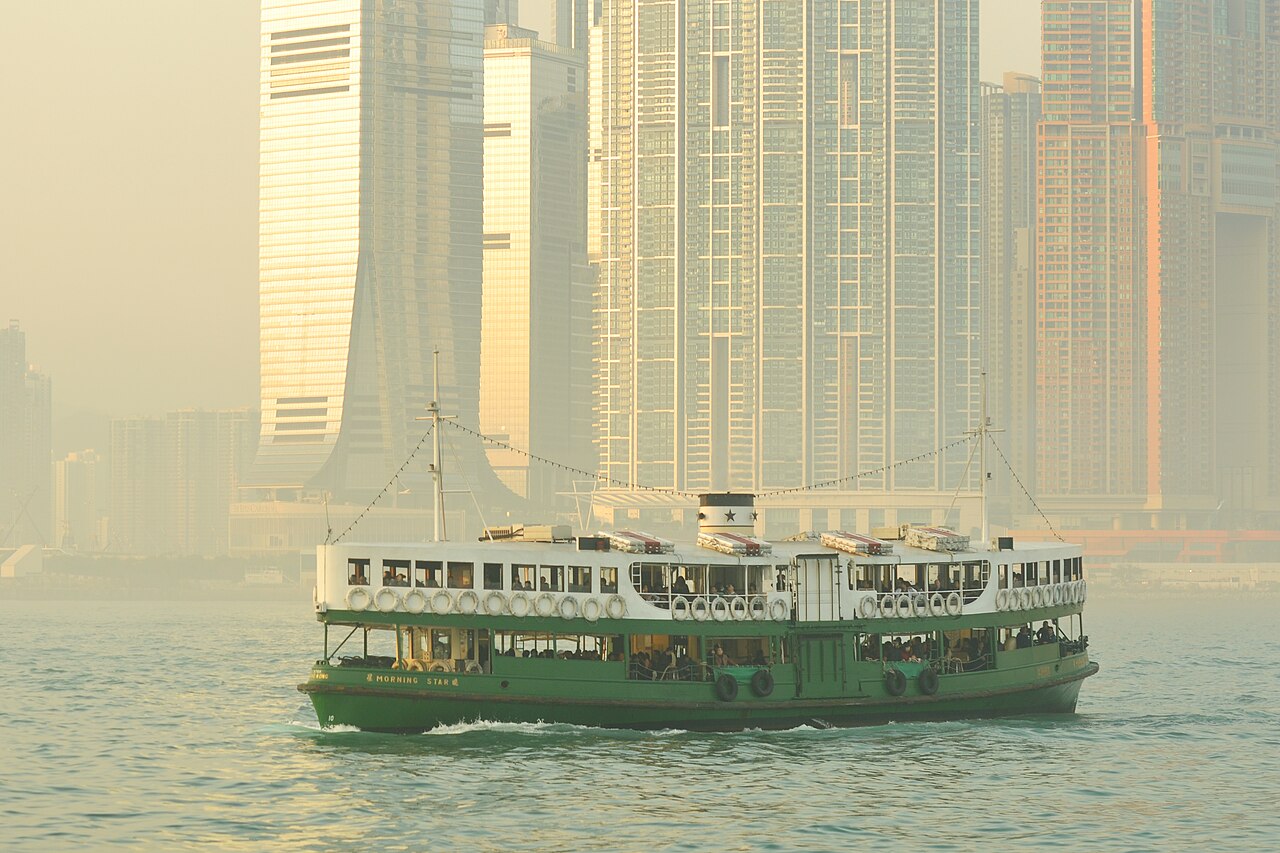
Victoria Harbour, the Star Ferry and Tsim Sha Tsui promenade — the first evening for almost everyone. This is the clearest introduction to the city’s island-and-Kowloon geography, and you do not need a sightseeing-cruise ticket to see it. Board the regular Star Ferry at Central Pier 7, get off at Tsim Sha Tsui, then walk past the Clock Tower toward the Avenue of Stars. Allow roughly two unhurried hours including the crossing, photos and a food stop; the ferry timetable and weather decide the exact start. If you hope to see A Symphony of Lights, check the Tourism Commission’s show notice on the day. The skyline and promenade are still worth seeing if the show is suspended.
.jpg)
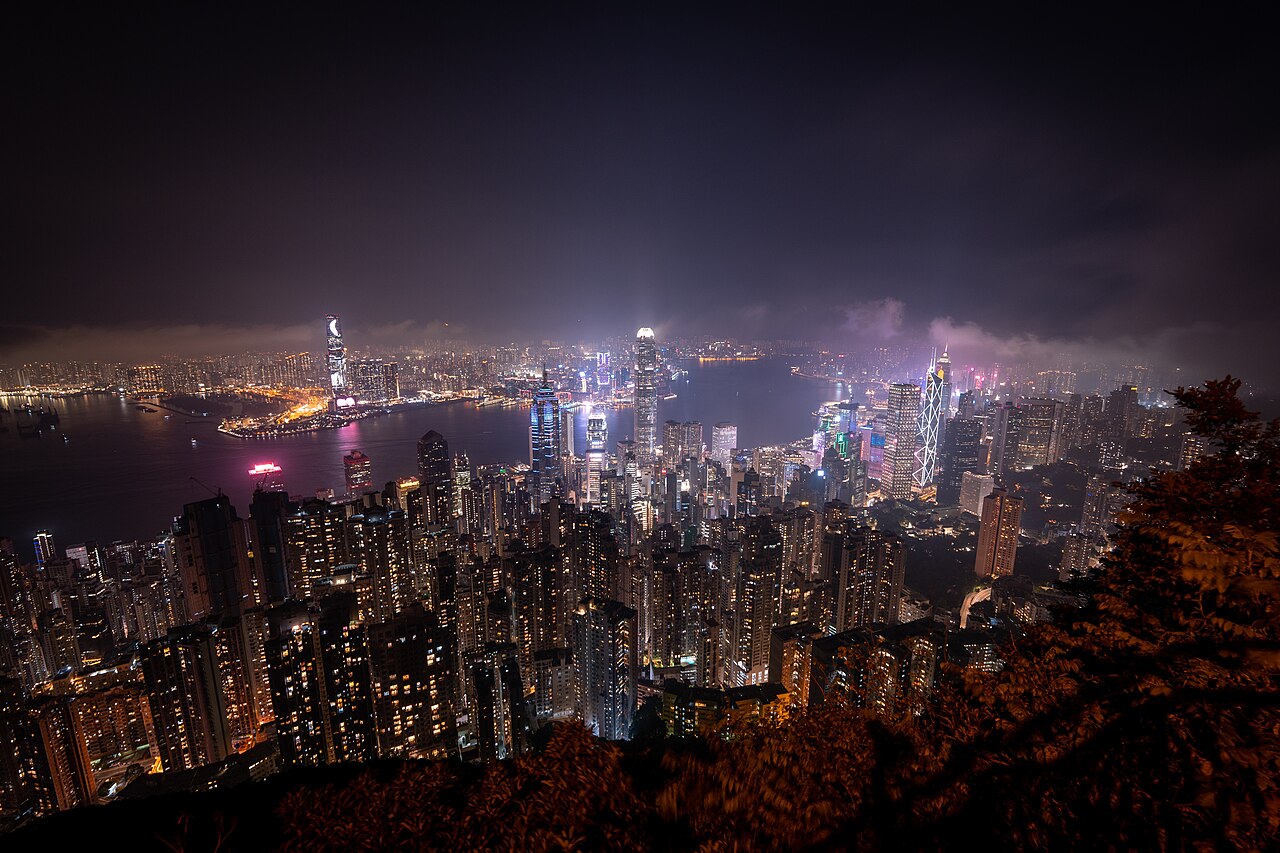
The Peak — the broad view, when the sky is clear. Give it a half day including the trip up, a walk and possible queues. It pairs well with Central, but it is not the same experience as standing on the harbourfront: from above you understand where the water, towers and hills meet. The Peak Tram and the Sky Terrace are distinct purchase decisions; if the hill is in cloud, move this stop to another day or use a free waterfront view instead. Do not buy a rigid sunset slot simply because every first-visit list puts the Peak on it.
Old Town Central — the walk that makes Hong Kong more than a skyline. In one half day you can link Sheung Wan’s Man Mo Temple, Hollywood Road, Tai Kwun and the nearby food streets, choosing one indoor stop rather than racing through every venue. Wear shoes for slopes and steps. This is the right priority for travelers interested in street life, local history and architecture; Day 1 below gives the order and meal breaks.
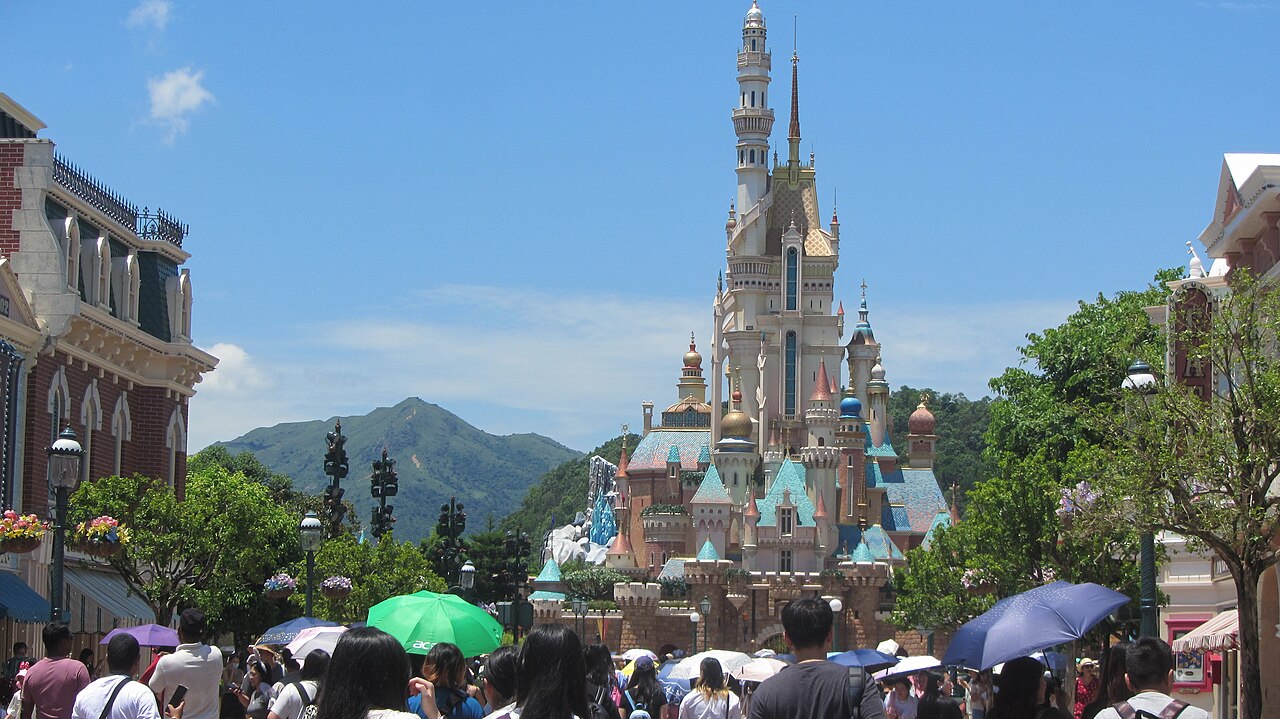
Hong Kong Disneyland — a full park day if the group actually wants Disney. It is a major Hong Kong attraction, but it should replace a day of city sightseeing, not be squeezed between the Peak and a harbour dinner. Reach the resort by the MTR Disneyland Resort Line; check the official park calendar, ticket tier and visit-reservation requirement before committing. Families and Disney fans may rank it first. A visitor with only two days who wants to understand Hong Kong itself may choose the harbour, Central and Peak instead. Our Hong Kong Disneyland ticket and one-day guide walks through the actual booking and park-day decisions; Day 3 below keeps the city-level choice in view.
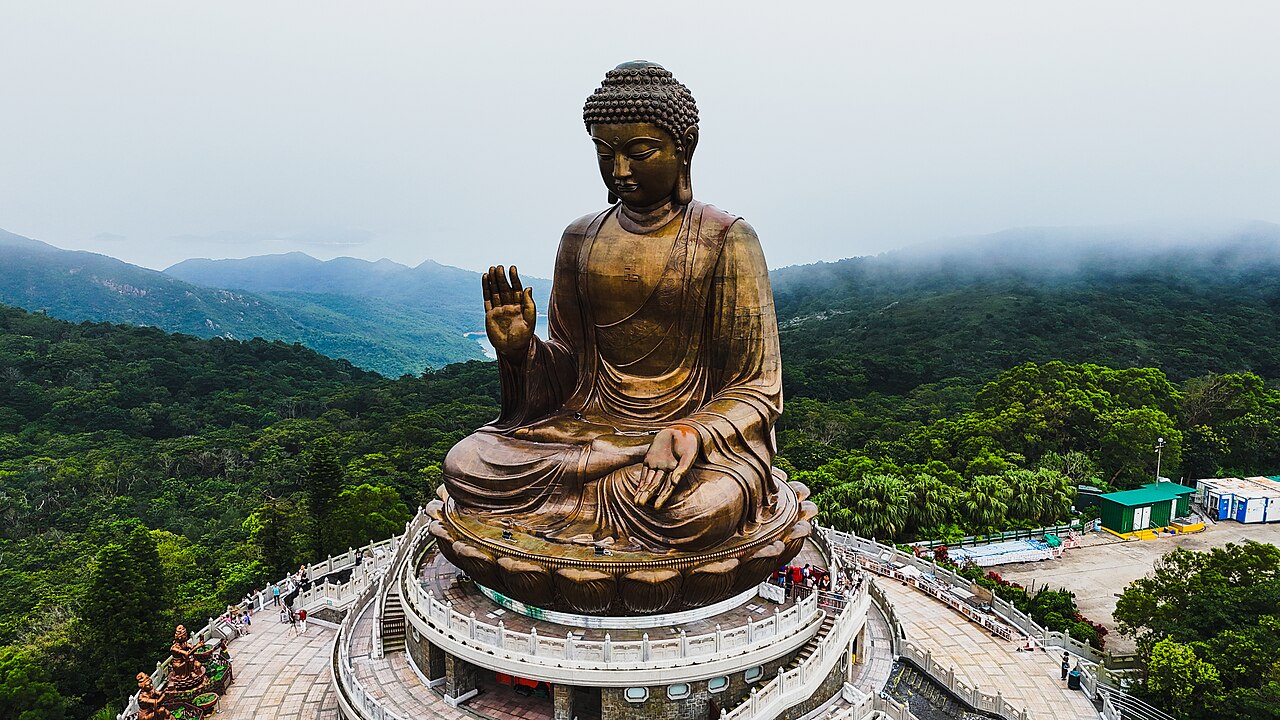
The Big Buddha and Ngong Ping — a different full-day choice. Go for Lantau’s mountain setting, Po Lin Monastery and the journey to Ngong Ping, rather than expecting another urban viewpoint. The cable car adds scenery but depends on conditions; check Ngong Ping 360 before setting out. Tai O takes additional travel time. Disneyland and Ngong Ping share an island, but each deserves a separate day on a short first trip.
One interest-led extra: a museum or a second theme park. Choose M+ or the Hong Kong Palace Museum if art or history is your reason to visit West Kowloon, especially on a wet day. Choose Ocean Park instead if your group wants rides and animal exhibits; treat that as another park day rather than an hour between city sights. None of these is a compulsory stop. For a two-day visit, keep the harbour and a contrasting island-side walk before buying more admissions.
A three-day Hong Kong itinerary you can actually follow
Day 0: arrive, settle in and do one easy thing
From Hong Kong International Airport, take the Airport Express toward Kowloon or Hong Kong Station if rail plus the final transfer suits your hotel. An airport bus may stop nearer your door and cost less, but takes longer. The tourism board’s airport and local-transport guide says the Airport Express reaches Hong Kong Island in about 24 minutes; that is station-to-station, not the time until you reach your room. After a late arrival, have dinner near the hotel and start the sightseeing clock the next morning.
If you arrive from Shenzhen, the border and the Hong Kong-side train also use time and energy. Our Hong Kong–Shenzhen crossing guide helps you choose the correct crossing before setting out. Do not promise yourself a full Central-and-Kowloon day after a long immigration queue.
Day 1: Sheung Wan, Central and the harbour after dark
Morning — walk downhill, not back and forth. Start around Sheung Wan with breakfast at a cha chaan teng (Hong Kong-style tea restaurant): milk tea, toast, noodles or a bun make an easy first order. Walk toward Man Mo Temple and Hollywood Road. The attraction is not one photo at the temple; it is the shift between incense, antique-shop windows, narrow stairs and newer galleries along the same slope. If art and design interest you, continue toward PMQ. Check individual venues’ hours rather than assuming every shop opens early.
Lunch and afternoon — choose one interior. Eat around Sheung Wan or Central, then visit Tai Kwun for its restored former police and prison complex or use Central Market as a shorter covered stop. If you want both, allow the rest of the afternoon. The Mid-Levels escalator area is interesting as a way through the hillside streets, but it is transport infrastructure, not an attraction that needs an hour-long queue. The tourism board groups Man Mo Temple, Hollywood Road, Tai Kwun and Central Market in its Old Town Central guide; Tai Kwun’s visitor page has its current gate and exhibition details.
Dusk — cross once. Walk or take local transport to the Central Star Ferry Pier and cross to Tsim Sha Tsui. The ferry ride gives you the scale of the harbour for a small transport fare. Continue past the Clock Tower toward the Avenue of Stars and pause at whichever part of the promenade has a clear view. Eat on the Kowloon side. If the evening is wet or visibility is poor, switch to a museum or covered food stop and keep the harbour for another evening.
This day is already full. The Peak is better tomorrow, when you can decide from the actual visibility rather than forcing it into a fixed sunset slot.
Day 2: the Peak, one museum, then a Kowloon food evening
Morning or late afternoon — let the sky choose the Peak. If the view is clear, go up early and allow time for the journey, boarding queues and a short walk at the top. The Peak Tram is an experience, but the paid Sky Terrace is a separate value decision: read the package inclusions, and remember that public viewing spots and other ways up exist. If the Peak is inside cloud, swap it with your museum slot instead of paying to look at white sky.
.jpg)
One museum is enough for this day. Cross to West Kowloon for M+ if visual culture and contemporary art interest you, or the Hong Kong Palace Museum if you prefer historic collections. Check the exhibition, ticket, closing day and entry time on each museum’s visitor page. If museums are not your thing, walk the West Kowloon Art Park waterfront instead. It is a useful second view of the harbour without buying another observatory ticket. The West Kowloon guide shows the area around them.
Evening — stay in Kowloon. Head toward Jordan or Yau Ma Tei for a sit-down meal, then wander the surrounding streets or Temple Street if its stalls and food appeal to you. Go for the street atmosphere, not with an obligation to buy souvenirs. On a hot day, take a slower dinner and one short walk; the value of this evening is watching a working neighbourhood change after dark.
Day 3: choose one trip that matches your group
Lantau and Ngong Ping — for landscape and the monastery. Allow most of the day for the MTR journey to Tung Chung, the onward cable car or bus, and time around the Big Buddha and Po Lin Monastery. Add Tai O only if you have enough daylight and want a fishing-village stop; it is another journey, not part of the monastery courtyard. Cable-car operation is weather-dependent, so check Ngong Ping 360’s live service information before paying for a dated bundle.

Hong Kong Disneyland — for a park day. Travel to the resort and keep the day there. Check the current park calendar, dated admission, the reservation requirement and what each ticket tier includes. Meal, queue-access and transport extras are separate decisions. Do not combine the park with Ngong Ping just because both are on Lantau. Use our dedicated Disneyland guide to choose admission, Early Entry and a flexible route before buying.

Sham Shui Po and West Kowloon — for streets, shops and food. If you would rather see daily city life than another paid attraction, browse the fabric, electronics and older shop streets of Sham Shui Po, then use West Kowloon or a Kowloon food stop for the afternoon. The tourism board’s Kowloon neighbourhood guide explains what is distinctive here. Keep shopping expectations realistic: stores open at different times and this is a lived-in neighbourhood, not a film set.
Only two days? Keep Days 1 and 2, then pick just one third-day item to replace the museum or Peak. Four days? Give the extra day to an island, a coastal walk or a second neighbourhood rather than doubling the number of stops each day.
What to eat, and where it fits the route
A food plan helps more than a list of fashionable restaurants. Hong Kong has short-lived queues and changing opening hours; pick a dish and district, then choose an open place nearby. The tourism board’s cha chaan teng guide and local food guide are useful starting points.
| When you are there | Look for | Practical expectation |
|---|---|---|
| Sheung Wan / Central breakfast | Milk tea, pineapple bun, scrambled eggs, macaroni soup or toast at a cha chaan teng | Tables turn quickly; a short queue is normal, a famous shop is optional |
| Lunch with a group | Dim sum / yum cha | Ordering several shared dishes is easier with two or more people; check service hours |
| Kowloon evening | Wonton noodles, roast meat rice, claypot rice or a cooked-food centre | Browse menus and payment signs before joining a queue |
| Between walks | Egg tart, tofu dessert or bakery bun | A snack can replace a long detour to a single hyped shop |
If you have dietary restrictions, check ingredients directly. English menus are common in tourist areas but not guaranteed at every counter. Carry a translation method that works offline as well as a payment backup. Hong Kong’s food character is in the ordinary meal between sights, not only in a destination restaurant.
Where to stay: choose the journey you will repeat
| Base | Best for | Trade-off to check before booking |
|---|---|---|
| Sheung Wan / Central | Old Town walks, Peak access, early Sheung Wan Macao ferry | Hotels can be expensive and compact; steep streets matter with luggage |
| Tsim Sha Tsui / Jordan | Harbour evenings, Kowloon food, access toward West Kowloon rail | Busy streets and large stations; verify the actual exit-to-hotel walk |
| Yau Ma Tei / Mong Kok | Markets and a more local Kowloon feel | Noise, dense pavements and a longer island journey |
| Tung Chung / Disneyland | Airport, Ngong Ping or a park-led stay | Poor daily base for Central and Tsim Sha Tsui sightseeing |
For a short first trip, Sheung Wan or Jordan/Tsim Sha Tsui usually reduces friction. Search the hotel on a walking map with the station exit and luggage in mind, not just a district label. If the next morning is a West Kowloon high-speed train or a Sheung Wan Macao ferry, that departure should influence your final night. A cheap room far away can erase its saving in taxis and lost mornings.
Getting around without turning transport into the itinerary
The MTR is the default for longer urban jumps; walk each neighbourhood after you arrive. The Star Ferry is both transport and a harbour experience. Hong Kong Island’s tram is a slow, useful street-level ride when you are not in a hurry. A bus may reach a specific hotel or trailhead more directly than rail. Taxis are useful with luggage or late at night, but traffic and tunnel routes can change the cost. The tourism board transport page sets out the main choices.
An Octopus card is a practical local payment method for transport and many small purchases. Physical and supported mobile versions have different setup and top-up requirements; do not rely on a phone wallet until you know yours works. Carry another payment method. Record the station exit, pier number or terminal name in your map: “Central” or “Macao ferry” alone may not get you to the right entrance.
Hong Kong uses Hong Kong dollars (HKD). A mainland-only eSIM or payment setup may not cover the trip; confirm regional coverage and roaming before leaving the mainland. Our eSIM guide explains the mainland versus Hong Kong–Macao coverage decision.
Cost, booking and weather decisions
The easiest low-cost day is neighbourhood walks, the harbour promenade and a public ferry ride. Your largest swing factors are usually hotel location, a major paid attraction, and how many cross-city taxis you take. Build your budget in this order: hotel by actual location; airport and intercity transport; meals; then one paid anchor per day at most. Current fares and attraction prices change, so use the official operator or booking checkout for the final total rather than an old “daily budget” number.
Book a dated Disneyland day if that is the reason for your visit. For the Peak, visibility may matter more than booking far ahead. Museum exhibitions have their own dates and closing days. A generic sightseeing pass is only a saving if it covers places you would otherwise visit on the same feasible route. Our Klook choices are affiliate links; we may earn a commission at no extra cost to you, and we have not field-tested these packages.
The Hong Kong Observatory’s climate guide describes November–December as generally comfortable, May–August as hot and humid, and May–November as months when tropical cyclones may affect the city. Treat outdoor views and ferry days as movable. On a rainy day, use Tai Kwun’s indoor programme, M+, the Hong Kong Palace Museum or a longer food stop, checking the venue’s live status. During a serious weather warning, follow Observatory notices and operator alerts rather than travelling to a pier on a fixed itinerary.
Adding Shenzhen or Macao to the trip
A Hong Kong stay pairs well with either destination, but each adds another immigration check. For Shenzhen, choose the crossing by your Shenzhen district and the hour you travel. Our Hong Kong–Shenzhen guide compares Lo Wu, Futian, Huanggang, Shenzhen Bay and West Kowloon rail, then links to the Shenzhen city guide. For Macao, choose Outer Harbour for the peninsula or Taipa Ferry Terminal for Taipa/Cotai before buying a sailing; see the ferry-versus-bridge guide and Macao itinerary.
Before buying a non-refundable crossing, check your passport’s Hong Kong entry or re-entry position on Hong Kong Immigration, and check Macao or mainland eligibility separately. The transport ticket is not entry permission. A trip from mainland China to Hong Kong and back also needs a fresh look at mainland re-entry eligibility.
First-timer questions
Is the Peak worth it? Yes if you want to understand the harbour and city from above and visibility is good. On a cloudy day, the free Tsim Sha Tsui waterfront can be more rewarding than a paid deck.
Do I need to book every attraction? No. Book a park day or time-sensitive exhibition when required. Keep walks, food and at least one weather-dependent view flexible.
Is Hong Kong a day trip from Shenzhen? Possible, but border time shrinks the day. Pick one Hong Kong area and confirm both entry permissions. A first visit with Central, the harbour and a Kowloon evening is better with a night in the city.
What if I cannot walk steep streets? Central and Sheung Wan have hills and steps. Use the MTR, taxis or a shorter flat harbour route and verify lift access at the exact station exit and attraction before departure.
Continue planning
- Hong Kong Disneyland: tickets, reservations and a one-day route
- Hong Kong to Shenzhen: choose the border and train
- Hong Kong to Macao: ferry, bridge bus and terminals
- Macao first-visit guide
- Shenzhen city guide
- China eSIM: mainland-only or multi-region?