HARBIN SEASONAL FIELD GUIDE
Harbin for first-time visitors
Plan Harbin in winter or summer with realistic routes for Central Street, Saint Sophia, the Songhua River, Ice and Snow World and airport transfers.
- 3 days in winter
- 2 days without snow
- Season-first planning
Harbin is two different trips. In winter, the city is built around short outdoor blocks, warm indoor breaks and one long evening at Ice and Snow World. Outside the snow season, the same center becomes an easy architecture-and-river city break with longer walks and fewer ticket decisions.
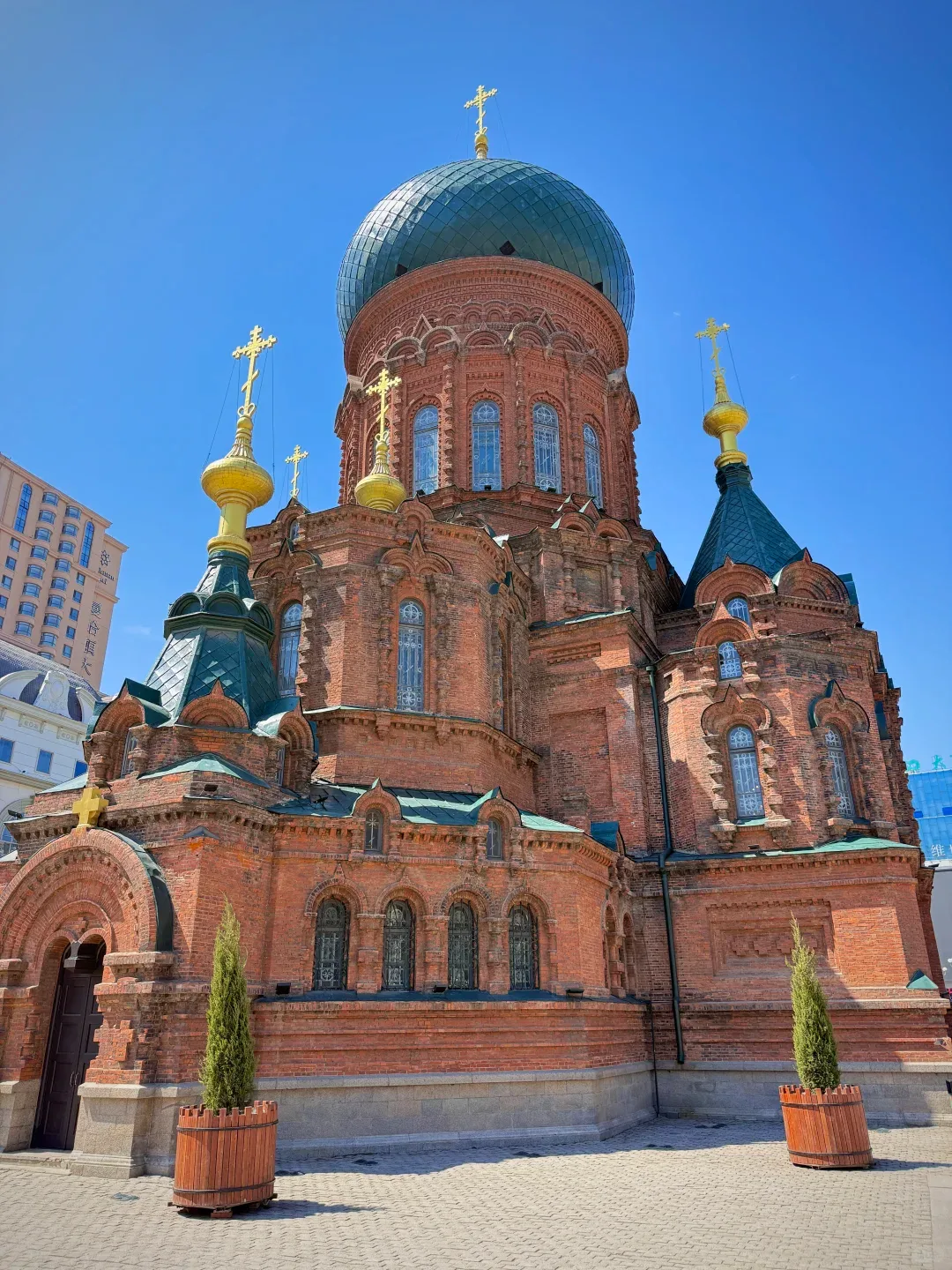
For a first visit, stay near Central Street, Saint Sophia Cathedral or a useful Metro Line 2 station. Keep the old center and the Songhua River together, then give Sun Island and the winter parks their own time north of the river. Three days is comfortable in winter; two days can work from late spring to early autumn.
Is Harbin worth visiting without snow?
Yes, but the reason changes. Winter is the spectacular season: frozen-river activities, snow sculpture and illuminated ice buildings turn the trip into something found in few other Chinese cities. It is also the expensive and physically demanding season, with queues, short daylight and temperatures that make ordinary sightseeing slower.
From late spring to early autumn, Harbin works as a calmer two-day city break. Central Street, Saint Sophia, the river promenade, Chinese Baroque blocks and museums still make sense. Trees and long evenings make walking easier, while Sun Island becomes a park rather than a transfer between snow attractions. Do not promise yourself winter imagery in November or March; annual ice projects depend on sustained cold and publish their own dates.
How many days do you need?
| Time | A realistic plan | Leave out |
|---|---|---|
| One day | Saint Sophia, Central Street and the Songhua River | Winter parks and distant attractions |
| Two days | Old center plus Chinese Baroque and Sun Island | Yabuli and Snow Town |
| Three winter days | Add a dedicated Ice and Snow World evening and recovery time | Do not stack every ice park in one day |
| Four or more days | Add one separate regional excursion | Keep city and regional nights distinct |
Winter itineraries need less distance than they appear to need. Walking on snow, changing gloves, warming batteries and entering heated buildings all consume time. A compact route with one major evening is better than six outdoor landmarks linked by taxis.
Plan Harbin by area
Central Street, Saint Sophia and the river
This is the easiest first day. See Saint Sophia Cathedral, use the nearby market or shopping streets as a warm indoor pause, then walk toward Central Street. Continue north to the Flood Control Monument and Songhua River only when the light and weather are comfortable.
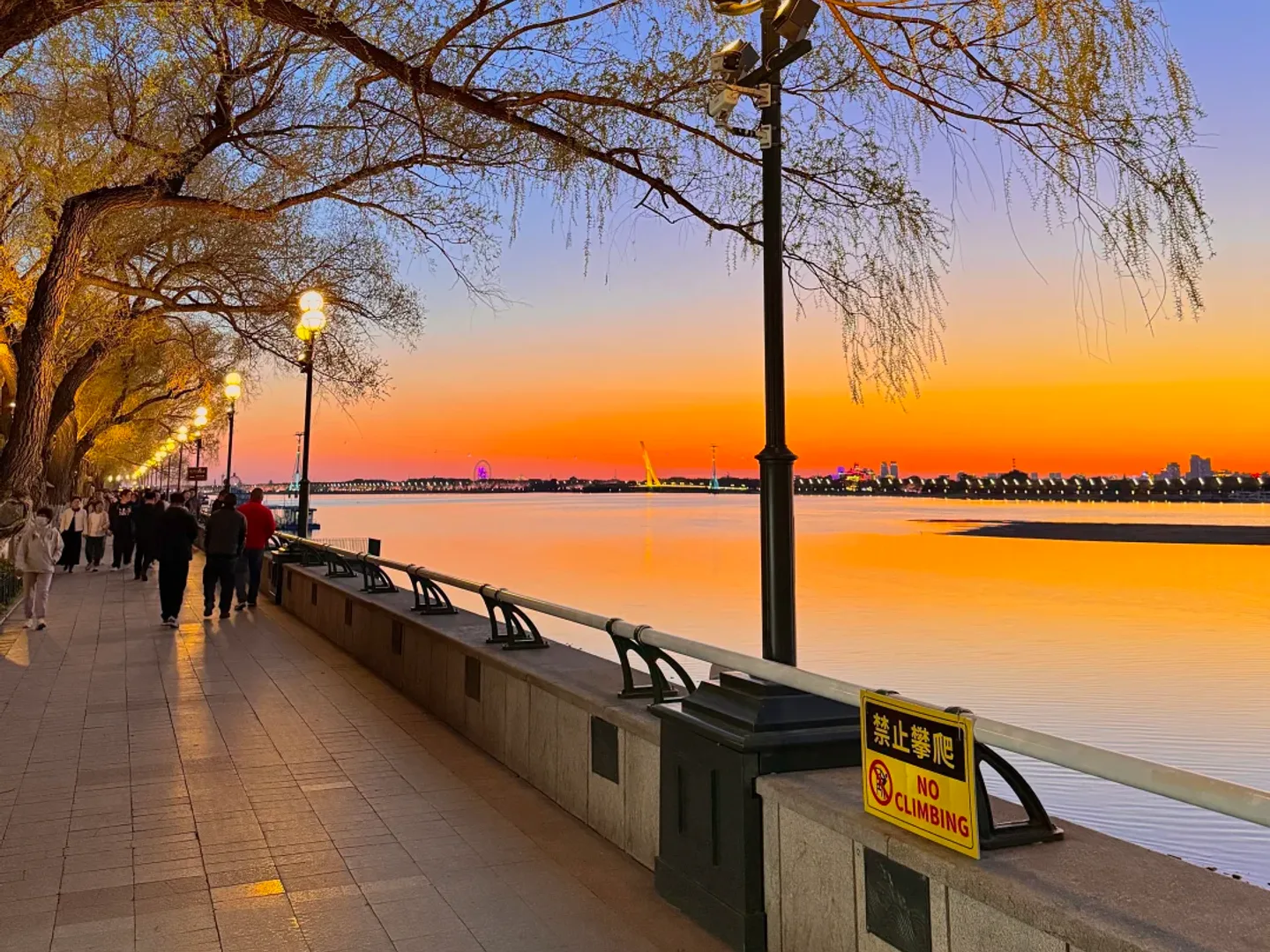
Central Street is more useful as a north-south spine than as a single attraction. Look above the shopfronts, take side streets when the central path is crowded, and return after dark only if the cold is manageable. In summer, continue along the promenade; in winter, use only the marked and managed river activity areas.
Chinese Baroque and old Daowai
The Chinese Baroque historic blocks east of the center mix decorative facades with local food and older residential streets. Visit in daylight and keep the route compact. Some renovated courtyards look polished, while the surrounding streets feel more lived-in; both are part of the district.
Pair this area with a museum or a substantial lunch. It does not combine efficiently with a distant winter park on the same short afternoon, and it deserves more than a ten-minute taxi stop for one facade.
Sun Island and Songbei
Sun Island sits north of the river and changes with the season. In warmer months it is a large green landscape with long internal distances. In winter, the snow-sculpture program and nearby attractions make the northern bank a major part of the trip.
Metro Line 2 is usually the simplest cross-river backbone. Confirm the entrance, event zone and last useful return before leaving, because a map pin for “Sun Island” does not tell you where the seasonal exhibition begins.
Ice and Snow World: plan around the current season
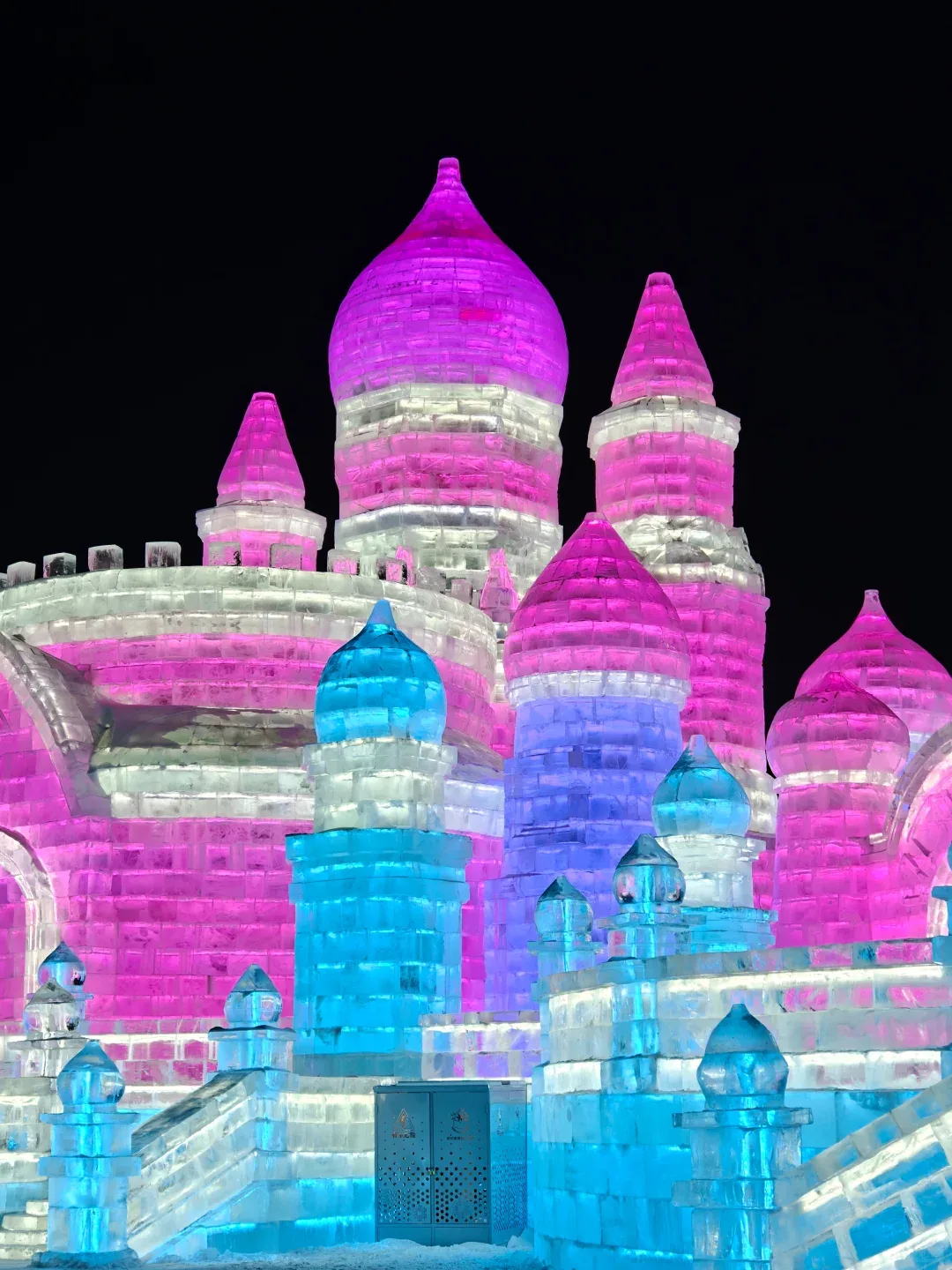
Harbin Ice and Snow World is a seasonal, weather-dependent park. Opening and closing dates, operating hours, reservations, major slides and crowd procedures can change each winter. The official park site is the source to check; social posts from a previous season are useful for clothing and pacing, not for current admission rules.
If the park is open, reserve most of an afternoon and evening. Arriving before dusk can show the ice in daylight, while staying after illumination provides the strongest visual contrast. Eat beforehand, carry only what fits under winter layers and choose one or two priority rides rather than spending the entire visit in queues.
A three-day winter route
Day 1: compact old-center loop
Begin at Saint Sophia, stop inside a market or cafe, then walk Central Street north toward the river. Use sunset for the promenade or a managed frozen-river area. End with a proper Northeast dinner near the center rather than adding another exposed viewpoint.
This day tests your clothing. If feet, fingers or phone batteries struggle, fix the problem before the longer second day.
Day 2: Sun Island and Ice and Snow World
Cross to Songbei after a late breakfast. Choose either the current snow-sculpture exhibition or another northern-bank attraction; do not exhaust yourself before the main evening. Move to Ice and Snow World at the time recommended by the current ticket and crowd rules.
Plan the return before entering. Metro is often more predictable than a taxi queue after closing, but only the current operating notice and station information should decide your final route.
Day 3: Chinese Baroque and an indoor anchor
Walk a focused section of old Daowai and Chinese Baroque, eat lunch there, then choose one museum, bathhouse experience or neighborhood that matches your interests. A slower third day is deliberate: winter Harbin is more enjoyable when you do not spend every hour outside.
Use a fourth day for Yabuli, Volga Manor or another regional outing. Snow Town is much farther away and should be planned as a separate overnight journey, not described as part of central Harbin.
A two-day route when there is no snow
Day 1: architecture and the river
Link Saint Sophia, Central Street, the Flood Control Monument and a long Songhua River walk. Add a museum or concert space during the hottest or wettest hours. The central route is largely flat, but distances expand if you chase individual buildings across several districts.
Day 2: old Daowai and Sun Island
Visit Chinese Baroque in the morning, then take Metro Line 2 toward Sun Island. In good weather, keep the afternoon flexible for park walking and the north-bank skyline. If rain arrives, replace the park with a museum rather than spending the day transferring between outdoor pins.
Where to stay in Harbin
| Area | Best for | Trade-off |
|---|---|---|
| Central Street / Saint Sophia | First visit, evening walks and the historic center | Highest winter demand and more tourist-oriented dining |
| Museum / Hongbo | Metro access, Harbin Station and practical shopping | Less atmospheric at the hotel door |
| Chinese Baroque / Daowai | Local food and older neighborhoods | Fewer late-night international services |
| Songbei / Ice and Snow World | A winter trip built mainly around northern-bank attractions | Inconvenient for repeated old-center walks |
| Harbin West Station | Early high-speed train | Not a sightseeing base |
| Airport area | A very early departure only | Far from the city experience |
Check walking distance to a specific metro entrance, not just a district label. In deep winter, an extra 900 meters with luggage feels very different from the same walk in September.
Airport, stations and local transport
Harbin Taiping International Airport is west of the city. Airport buses, taxis and ride-hailing connect it with central districts; routes and final departures change, so confirm them through the airport or your airline before a late arrival. Keep your hotel name and address in Chinese for the driver.
Harbin Station is closest to the older center. Harbin West handles many high-speed services, while Harbin North is useful for some northern connections. The station name on the ticket matters more than the word “Harbin.” Metro Line 2 links several core visitor areas and is especially valuable in winter traffic.
What to eat
Start with guobaorou (crisp sweet-and-sour pork), dumplings, iron-pot stew, smoked red sausage, dalieba bread and seasonal Northeast vegetables. Portions are often large, so two travelers should order fewer dishes first and add later.
Russian-style restaurants are part of Harbin’s city story, but quality and price vary around the main pedestrian street. Compare recent menus rather than assuming an old name guarantees the best meal. Winter markets and morning markets can be genuinely cold; eat hot food promptly and avoid carrying drinks that will freeze.
Winter clothing that changes the trip
- Use a wind-resistant outer layer over warm base and mid layers.
- Wear insulated, non-slip boots with enough room for warm socks.
- Cover ears, neck and hands; touchscreen gloves alone are rarely enough for a long evening.
- Keep phones and spare batteries close to the body, then protect cameras from condensation when entering heated rooms.
- Schedule warm indoor breaks before you feel numb, not after.
- Walk slowly on polished snow and ice, especially at road crossings and steps.
Do not copy a clothing list without checking the actual forecast. A windy night beside the river can feel much harsher than a sunny midday reading at the same temperature.
Mistakes that waste the most time
- Booking a winter trip before the seasonal park has announced its operating dates.
- Putting Central Street, Sun Island, Ice and Snow World and Chinese Baroque into one day.
- Staying in Songbei for a trip focused mainly on the old center.
- Treating Snow Town as a nearby Harbin suburb.
- Using unmarked or unmanaged sections of the frozen river.
- Wearing tight fashion boots instead of insulated non-slip footwear.
- Carrying a phone in an outside pocket until the battery shuts down.
- Expecting a snow-and-ice itinerary to work unchanged in spring, summer or autumn.
Continue planning
- China city guides
- Qingdao travel guide
- Beijing travel guide
- China train booking guide
- China eSIM guide
Official sources
Affiliate link — we may earn a commission at no extra cost to you. Booking is completed on Klook.