WUHAN FIRST-VISIT FIELD GUIDE
Wuhan for first-time visitors
Plan two or three days in Wuhan with a river-smart route for Yellow Crane Tower, Hubei Museum, East Lake, Hankou, hotels, food and airport transport.
- 2–3 days
- Route by river bank
- Museum booking first
Wuhan is easier when you plan it as three cities joined by two rivers. Put Yellow Crane Tower and the older Wuchang sights together, give Hubei Provincial Museum and one section of East Lake their own block, then cross once for Hankou’s historic streets and riverfront. Repeatedly bouncing between Wuchang, Hankou and Hanyang is the fastest way to lose the day.
For a first visit, allow two full days at minimum and three if East Lake matters. Stay near Jianghan Road for Hankou evenings and airport access, or around a useful Wuchang metro interchange if the museum and university side lead your plan. Reserve Hubei Provincial Museum before arrival and keep the bridge, ferry or riverbank for late afternoon rather than midday heat.
How many days do you need in Wuhan?
| Time | A realistic plan | Leave out |
|---|---|---|
| One day | Yellow Crane Tower area, one river crossing and Hankou riverfront | East Lake and the museum |
| Two days | Add Hubei Provincial Museum and one compact East Lake section | Long lake cycling and distant neighborhoods |
| Three days | Wuchang, East Lake and Hankou each get a proper block | No need to collect every commercial street |
| Four or more days | Add Hanyang, a longer lake route or a regional day trip | Keep day trips outside the core three-day route |
Wuhan is physically large. A map may show two places only a few kilometres apart while the river, lake edge or park entrance makes the actual transfer much longer. Three days are valuable because they reduce crossings, not because you need three days of landmark checklists.
Plan Wuhan by area
Wuchang: Yellow Crane Tower, old streets and the bridge
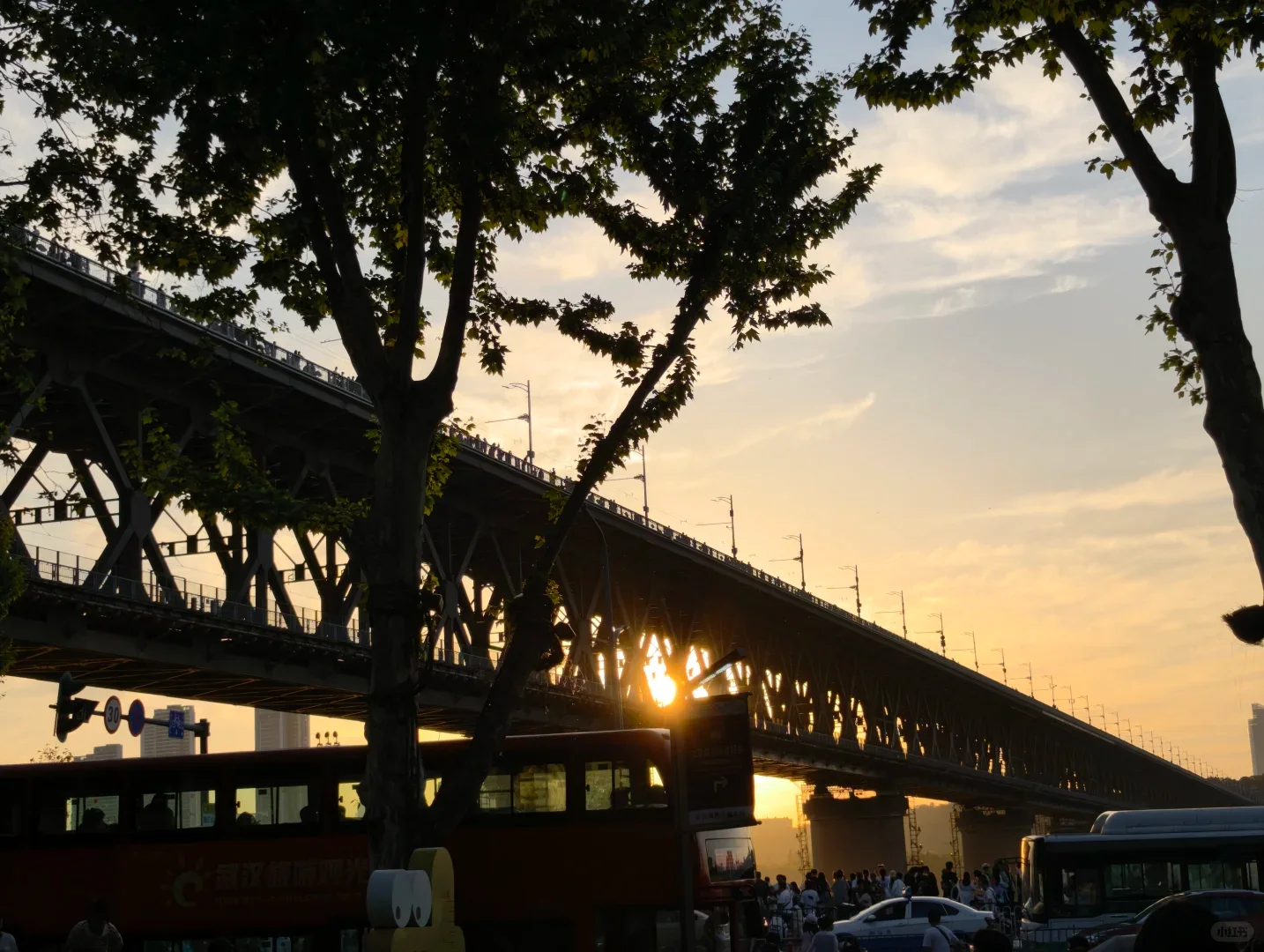
Use Yellow Crane Tower as the anchor, not as an isolated pin. Continue through the nearby historic area toward the river and the approaches to Wuhan Yangtze River Bridge. The tower is rebuilt and heavily visited, but its broad view explains the city’s geography better than a street-level photograph can.
Do not schedule the bridge in the hottest part of a summer day. Walk a comfortable section or view it from the riverbank, then decide whether to cross by metro, taxi or ferry. The passenger ferry can be a useful city experience, but piers, schedules and service changes should be checked on the day rather than copied from an old post.
Hubei Provincial Museum and East Lake
Hubei Provincial Museum is one of Wuhan’s strongest reasons to visit. Its collections connect the city with the wider history of Chu culture, and the Marquis Yi of Zeng chime bells deserve more than a rushed photo stop. Admission is free for the main collection, but visitors use real-name reservations through approved channels. Carry the passport used for the booking and recheck the museum’s current opening notice.
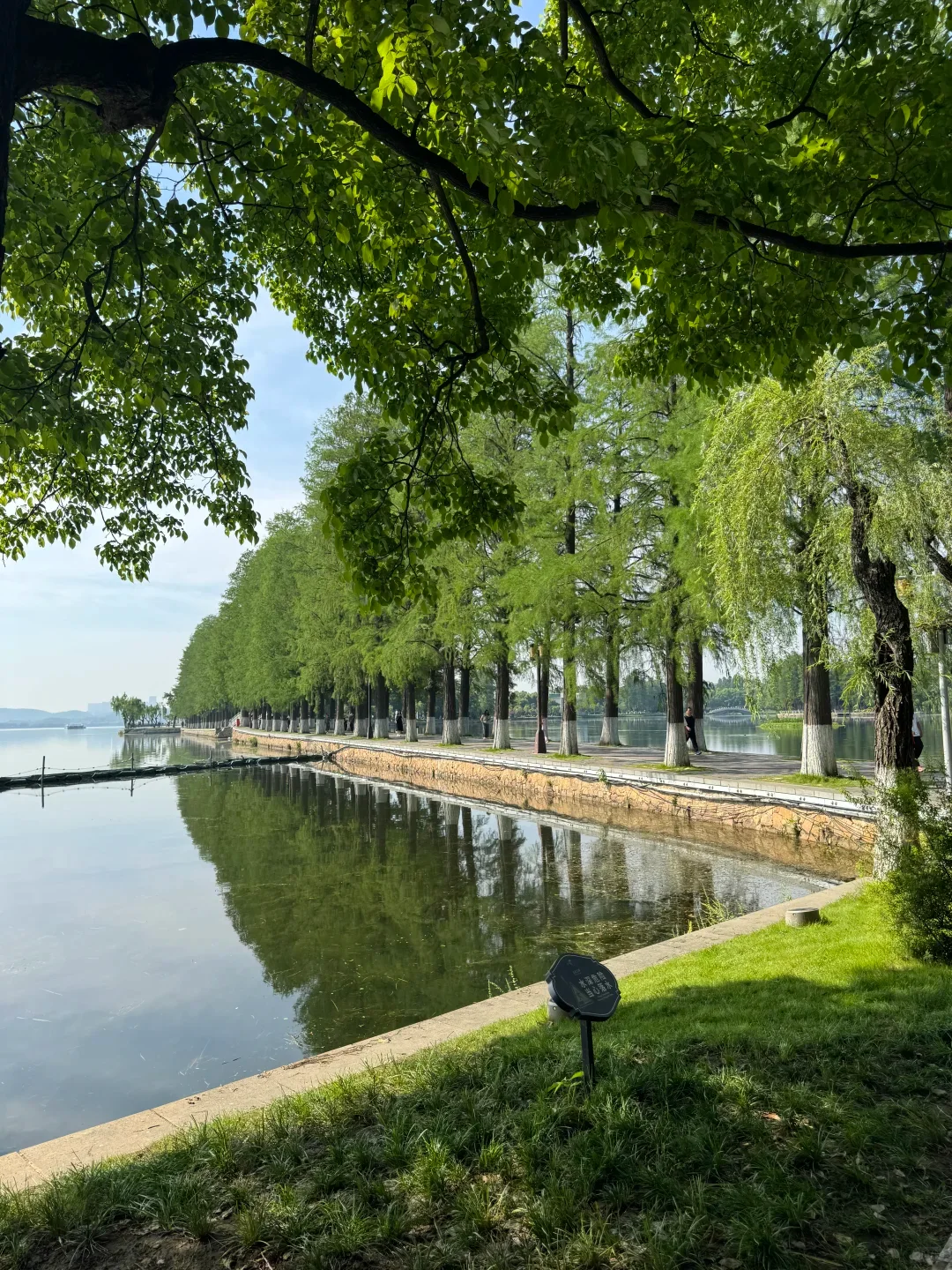
Pair the museum with one part of East Lake, not the whole lake. Tingtao is the simplest museum-side continuation; Moshan is better for a longer scenic outing; the greenway suits cycling when the weather is comfortable. Pick the section that matches the rest of your day and verify temporary traffic or access controls during blossom season and holidays.
Hankou: concession-era streets and the riverfront
Hankou’s most useful first walk links parts of the old concession district, Jianghan Road and the riverfront. The commercial pedestrian street is easy to reach and lively at night, but the side streets, older facades and river avenues are what make the area distinct.
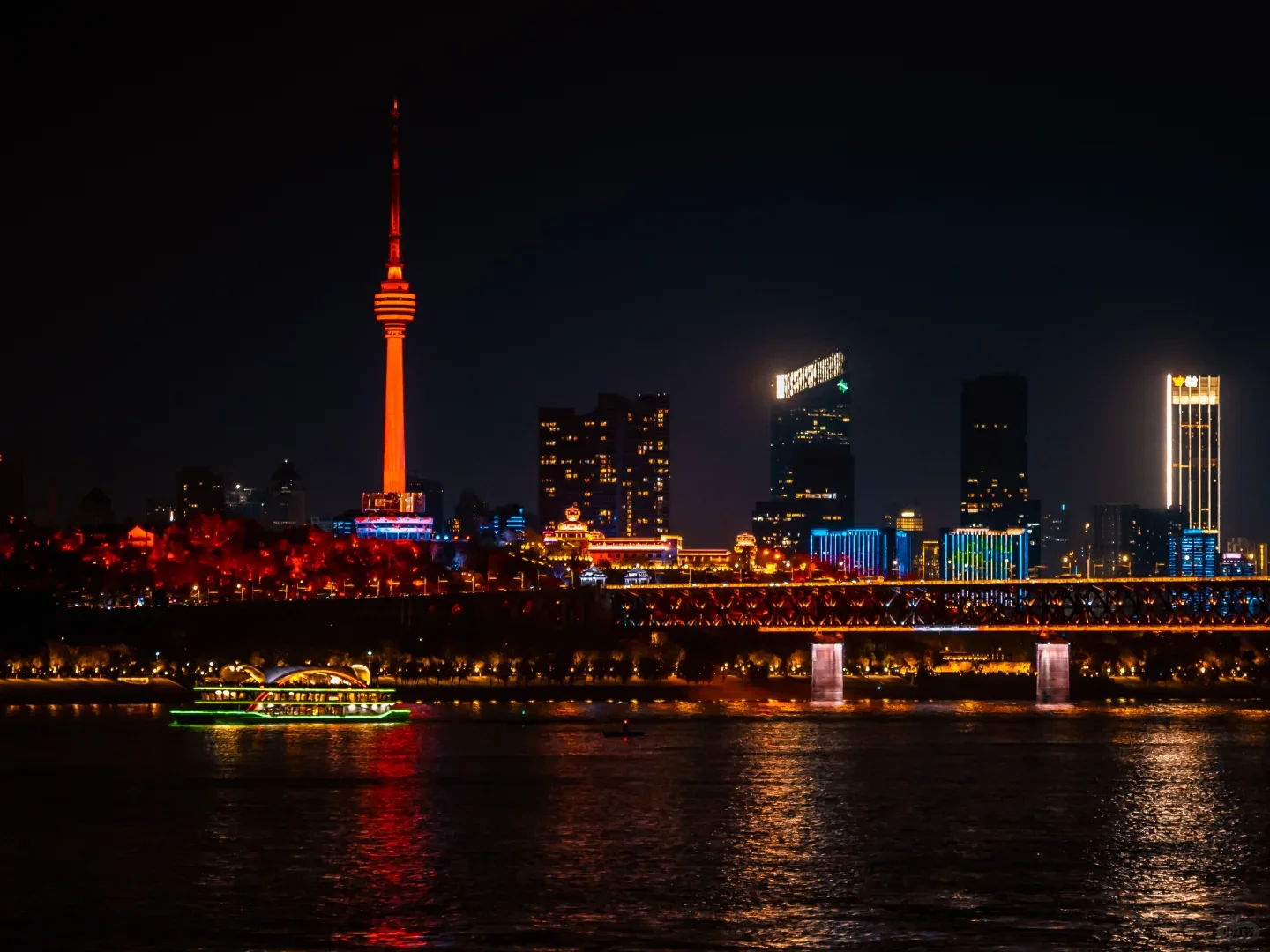
Start before sunset if you want to see the architecture in daylight, then reach the Yangtze riverfront as the skyline lights appear. This is a better evening sequence than travelling back across the river for a second night-view point.
Hanyang: add it only with a clear reason
Hanyang is the third part of the historic urban trio. It can add Guqin Terrace, Guiyuan Temple, industrial heritage or another river angle, but it should not be squeezed between Wuchang and Hankou simply to say you visited all three districts.
With two days, leave Hanyang out. With three or four, use it as a slower half-day or connect it to a specific performance, museum or river plan.
A practical three-day Wuhan route
Day 1: Wuchang and one Yangtze crossing
Begin around Yellow Crane Tower before the largest tour groups arrive. Walk a focused section of the surrounding old streets and reach the river in the afternoon. Save the bridge or ferry for later light, then cross once to Hankou for dinner and a short riverfront walk.
If your hotel is in Wuchang, return by metro after dinner rather than adding another sightseeing stop. The day already contains the city’s essential geography.
Day 2: Hubei Provincial Museum and East Lake
Enter the museum at your reserved time and allow at least two or three hours. After lunch, continue to the East Lake section chosen in advance. Tingtao is the easiest pairing; Moshan or a longer greenway segment needs more travel and more daylight.
Keep a rain or heat fallback. A museum-heavy day can finish in a cafe, bookshop or neighborhood meal without forcing a wet lake circuit.
Day 3: Hankou streets, breakfast and the river
Start with a Wuhan breakfast near your hotel rather than travelling across town for one shop. Walk the older Hankou streets while they are quieter, continue through Jianghan Road and use the riverfront for a late-afternoon break.
Add Hanyang only if a specific sight matters to you. Otherwise, use the third day to slow down, revisit the water and leave room for the distances that Wuhan’s map hides.
Where to stay in Wuhan
| Area | Best for | Trade-off |
|---|---|---|
| Jianghan Road | First visit, Hankou evenings, food and central metro links | Busy and noisy around pedestrian streets |
| Hankou Railway Station area | Rail and airport access, practical business hotels | Less rewarding for evening walks |
| Zhongnan Road / Hongshan Square | Wuchang metro connections and balanced access | Less historic atmosphere outside the hotel |
| East Lake / Hubei Museum side | Lake time and a quieter trip | Longer evening return from Hankou |
| Wuhan Railway Station | Early high-speed train only | Far from most first-visit evening routes |
The city has three major railway stations: Wuhan, Hankou and Wuchang. They are not interchangeable. Choose the hotel after checking the exact station on your ticket and the metro route to your priority district.
Airport, stations and local transport
Wuhan Tianhe International Airport connects to the metro and an integrated ground-transport centre. Metro is usually the clearest daytime option, while late arrivals should check the current airport-bus and taxi choices before landing. Wuhan’s 2026 inbound-tourism plan specifically calls for late airport-bus support after metro service ends, but the usable route and timetable still need a same-day check.
Metro covers the main visitor districts, but a station name alone can hide a long park or museum approach. Use the official transport notices for current operations and leave time for security checks and large interchanges. A taxi or ride-hailing trip is often worthwhile between an East Lake gate and the next fixed reservation.
Keep the destination in Chinese and confirm the exact entrance. At large parks, railway stations and river piers, the wrong gate can add more walking than the ride itself.
What to eat without queueing across the city
Wuhan breakfast is the obvious starting point: hot dry noodles, doupi, mianwo and soup dumplings are widely available. The useful strategy is to try them near your hotel over two mornings instead of building one exhausting breakfast crawl.
For later meals, look for Wuchang fish, lotus-root soup, braised dishes and Hubei home cooking. Ask about spice rather than assuming every dish is mild. Food streets are convenient for comparison, but the most famous queue is rarely the only good version of a dish.
Weather and timing
- Spring: comfortable but busy during blossom season; reservation and traffic controls can change around popular sites.
- Summer: very hot and humid; start outdoor sights early and use the museum during peak heat.
- Autumn: the easiest season for the lake and riverfront, with holiday crowd risk in early October.
- Winter: damp cold and wind along the river can feel sharper than the forecast.
Check air quality and visibility before committing to a long skyline route. On a hazy day, the museum and neighborhood streets are more rewarding than chasing distant river views.
Mistakes that waste the most time
- Crossing the Yangtze repeatedly instead of grouping sights by bank.
- Treating East Lake as one compact attraction with a single entrance.
- Arriving at Hubei Provincial Museum without a valid reservation.
- Confusing Wuhan, Hankou and Wuchang railway stations.
- Copying an old ferry or light-show timetable.
- Queueing for one famous breakfast shop when the dish is available nearby.
- Adding Hanyang to a two-day route without a specific reason.
- Booking beside a pedestrian street without checking late-night noise reviews.
Continue planning
Official sources
Affiliate link — we may earn a commission at no extra cost to you. Booking is completed on Klook.