MACAO FIELD GUIDE
Macao travel guide: one day or a slower overnight?
Plan a first Macao (Macau) visit with a walkable historic-centre route, Taipa and Cotai choices, local food, hotel bases, ferry terminals, buses and entry checks.
- One day or overnight
- Peninsula vs Taipa
- Ferry terminal choice
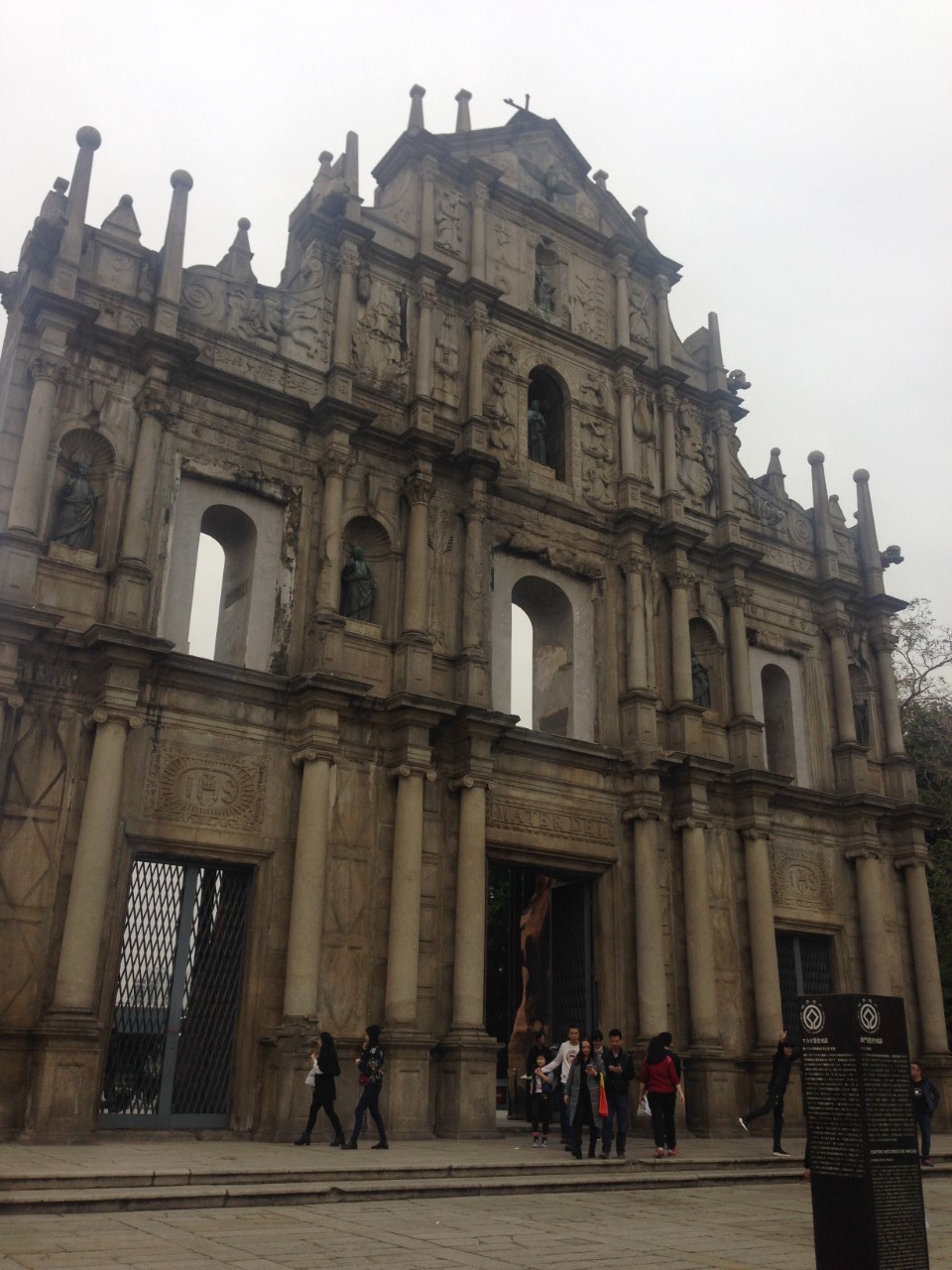
Macao is much more interesting when it is not reduced to “a casino day trip from Hong Kong.” On the peninsula, tiled squares, Chinese temples, churches and small food shops sit close enough to explore on foot. Across the bridges, Taipa Village has a different street scale, Cotai is a resort district, and Coloane is quieter. These are four different experiences. The mistake is trying to tick all four before a return ferry.
For a first visit, give one full day to the historic peninsula and one deliberate afternoon choice. Stay overnight if you want Taipa or Coloane without watching the last sailing. This guide uses the official Macao spelling; “Macau” is also common in English. We have checked official tourism, transport and entry material, but have not field-tested every attraction or Klook package. Confirm live hours and transport before departure.
Understand the four areas before booking anything
| Area | What a visitor actually does there | Best time allocation | Arrival / stay implication |
|---|---|---|---|
| Historic peninsula | Walk the Senado–St. Paul’s heritage streets, eat, look into churches and temples | Most of the first day | Outer Harbour is generally the simpler ferry arrival; central hotels suit walkers |
| Taipa Village | Smaller lanes, Rua do Cunha food shops, Taipa Houses and Our Lady of Carmel area | Half day | Taipa ferry is convenient if this is your first stop |
| Cotai | Large resorts, shows, shopping and selected paid attractions | A chosen evening or resort day | Hotels are spacious but not a substitute for old-town streets |
| Coloane | Village streets, seafront atmosphere and a slower break | Separate half day or more | Better on an overnight trip than a rushed Hong Kong day trip |
The bridges connect these places, but you cannot walk from the peninsula’s old core to Cotai as if it were one continuous sightseeing street. The Macao Government Tourism Office’s heritage list and Taipa walking route help you see which stops belong together. Save the Chinese and Portuguese place names in your map; they are useful at bus stops and in taxis.
Getting to Macao: make the terminal fit the day
From Hong Kong by ferry: The Hong Kong–Macao Ferry Terminal at Sheung Wan is a useful city departure point. Match the sailing’s Macao arrival terminal to the first half of your itinerary. Outer Harbour is usually better for Senado Square and the old peninsula; Taipa Ferry Terminal is better for Taipa Village or Cotai. The ferry ride is roughly one hour in the tourism office’s guidance, but the full trip includes getting to the Hong Kong pier, check-in, immigration and the final Macao bus or taxi. See our Hong Kong–Macao ferry and bridge comparison before buying.
From Hong Kong by bridge: The port-to-port shuttle uses the Hong Kong–Zhuhai–Macao Bridge. You must reach Hong Kong Port, pass departure control, ride the Macao service, clear Macao arrival and then find local transport. A direct coach with useful city pickup/drop-off may be simpler, but that is a different product from the bridge shuttle. The bridge authority and tourism office describe these options.
From Zhuhai or Hengqin: Check the exact border gate and your right to enter Macao and later re-enter mainland China. Do not book a hotel or attraction on the assumption that the crossing is merely a local metro connection. From Macao International Airport, decide whether your hotel is on Taipa/Cotai or the peninsula before choosing LRT, bus or taxi. A resort shuttle may exist, but confirm its current route with the hotel rather than assuming it serves every port and airport arrival.
One full day on the ground: an old-town walk with room to eat
These clock times are a planning example, not opening hours or a promise about border queues. If you arrive at noon, keep the order and remove the Taipa leg.
09:30–10:30 — arrive and reach Senado Square. After immigration, use a local bus or taxi to the old centre. Start at Senado Square and look at the surrounding civic buildings and patterned paving before the busiest part of the day. The square is a public space, not a paid admission. If it is very crowded, move into the neighbouring streets rather than waiting for one empty photograph. The official Senado Square page explains its place in the historic centre.
10:30–12:30 — walk toward St. Paul’s, allowing detours. Follow the old streets via St. Dominic’s Church area toward the Ruins of St. Paul’s. The walk is more valuable than a straight-line rush: notice the change in shopfronts, food counters and small squares. Near the Ruins, step away from the most crowded photo position; the surrounding lanes are part of the visit. The official Ruins of St. Paul’s listing distinguishes the public forecourt from the site’s visitor areas and publishes hours for the latter. Check the current access if you want to go beyond the exterior.
12:30–14:00 — lunch and one more hill or museum. Choose a Macanese/Portuguese meal, noodles or a casual local restaurant in the old centre. Then go up to Mount Fortress for another perspective or select one museum. Expect slopes and steps around this part of town; if mobility is limited, shorten the loop and use a taxi to the next area. Do not spend the whole lunch period in a queue for an egg tart when many bakeries sell them.
14:00–17:30 — choose one afternoon. For a street-scale contrast, travel to Taipa Village and walk from Taipa Houses / Our Lady of Carmel toward Rua do Cunha for snacks and shops. The tourism office has a 90-minute Taipa walking route that can guide the sequence. If instead you came for a particular Cotai show or resort, go directly there and protect its start time. Do not add Coloane to a day that must end at a Hong Kong ferry.
Evening — work backward from your departure. A day-tripper should check the actual return terminal and sailing, allow for the journey across Macao, and leave time for immigration and check-in. An overnight guest can stay for dinner, a show or a slower Taipa evening. Weather may disrupt ferries; check operator notices on the day.
If you stay a second day
A second day is where Macao stops feeling like a transfer. Spend a relaxed morning around Taipa Houses, Our Lady of Carmel and the village lanes, then eat near Rua do Cunha. The official Taipa route connects these stops; it does not require a resort ticket. In the afternoon choose one of these directions:
- Cotai for a paid experience: choose a particular show or one large resort. Check its location, showtime and ticket inclusions. Cotai is not the historic peninsula.
- Macao Tower for a viewpoint: travel back toward the southern peninsula for the observation deck if visibility and a paid view matter to you. This is a separate transfer, not part of the Taipa Village walking loop.
- Coloane for a slower finish: village lanes, the pier area and a food stop. The tourism office’s Coloane village walk is a compact route. Do not promise a beach-and-village day if rain is forecast or you have an early flight.
If you only have half a day, do the peninsula route through St. Paul’s and lunch. Adding Cotai purely to see hotel lobbies is unlikely to beat another hour in the old centre.
What to eat: a meal, not a souvenir checklist
Macao’s food reflects Chinese, Portuguese and Macanese traditions. The tourism office’s local-food guide lists pork-chop buns, dried shrimp-roe noodles, wonton noodles and almond cookies; its Macanese and Portuguese guide covers dishes such as minchi, African chicken and Portuguese-style seafood rice. Egg tarts and serradura are desserts, not a complete lunch.
| Part of the day | A useful choice | Where it fits |
|---|---|---|
| Peninsula breakfast or snack | Bakery bun, egg tart or porridge | Before the heritage walk; avoid making one famous queue the whole morning |
| Peninsula lunch | Macanese/Portuguese dish or a simple noodle meal | Pause between St. Paul’s and the afternoon transfer |
| Taipa afternoon | Pork-chop bun, almond cookies or another local snack | Around Rua do Cunha, then walk the smaller lanes |
| Overnight dinner | A seated Macanese meal or a chosen Cotai restaurant | Make this a proper stop, not an emergency meal before the last ferry |
Check opening days and payment methods at the actual shop. If you have dietary restrictions, ask about ingredients; names such as “Portuguese style” do not tell you everything in the sauce. You do not need to buy a food tour to taste the city, although a guided experience may suit someone who wants context rather than another checklist.
Where to stay, and why location matters
| Base | Best for | Watch for |
|---|---|---|
| Historic peninsula | First-timers who want to walk old streets early and late | Rooms vary; check hills, bus stop and exact walk to the hotel |
| Taipa Village area | Food, quieter lanes and a link to Cotai | Confirm the actual street, not just “Taipa” in the listing |
| Cotai | Resort amenities, shows, families wanting larger rooms | Requires a separate journey to the old peninsula; a casino hotel is not an old-town base |
| Coloane | A slow second visit or a specifically planned coastal stay | Less convenient for a short ferry day or early cross-border departure |
If you are taking an early Outer Harbour ferry, the peninsula can save a stressful morning transfer. If your trip is built around a Cotai show, staying nearby may make sense even though the old town is farther away. Compare the hotel’s real entrance with the bus stop, taxi drop-off and any shuttle timetable; a map pin at the edge of a large resort is not the door you will use.
The official accommodation directory is a useful way to verify that a property is licensed and to look beyond the largest Cotai resorts.
Moving around Macao: walking, bus, LRT and taxis
Walk the compact heritage core. For the jump between the peninsula and Taipa/Cotai, use a public bus or taxi. The official local-transport page lists a MOP 6 bus fare and warns that cash passengers receive no change; check current information before travel. Save the stop name and direction because different buses can share a street. A taxi is often the simpler choice with luggage, mobility needs or a tight ferry connection.
The LRT helps on some Taipa, Cotai, airport and Barra journeys, but it does not replace walking and buses through the old peninsula. The official page lists the operating lines and extensions; inspect the current route map rather than assuming a train will stop beside every heritage sight. Resort shuttles are conditional services for specific properties and ports, so verify with the hotel. Do not build your itinerary around an unconfirmed free ride.
Macao uses patacas (MOP). A Hong Kong Octopus card should not be treated as your universal Macao bus solution. Carry a workable cash or card backup and check the payment sign before boarding or ordering. A Hong Kong-only or mainland-only data plan may not cover Macao; check the exact country/region list in your eSIM plan.
What to pay for, what to keep free, and when to go
The Senado-to-St. Paul’s exterior walk, streets and squares are the core first-visit experience. Decide on paid attractions only after that route exists. A ferry is a real transport purchase if coming from Hong Kong; a Tower observation deck, show or resort activity is optional. For Macao Tower, confirm whether your product is observation-only or includes a separate activity, and check date, weather and cancellation conditions. The Klook links on this page are affiliate links; we may earn a commission at no extra cost to you. We have not field-tested these packages.
Your largest budget choices are the Hong Kong–Macao crossing, hotel night, taxis and paid entertainment. Walking the old centre, eating locally and taking buses can keep a day less expensive than a resort-and-show itinerary. Do not trust a fixed daily-cost figure without your actual hotel, date and ticket choices. Check the operator’s live total, including return crossing and port transfer, before comparing a day trip with an overnight stay.
Hot, humid or wet weather makes the old-town slopes tiring; start outdoor walking earlier and keep water. On a rainy afternoon, choose a museum, long meal or indoor Cotai activity instead of forcing a second heritage loop. Strong-weather notices may change ferry operations. Check the Macao tourism office and your ferry operator on the travel day, especially if the return crossing is essential.
Entry, onward travel and common mistakes
Macao has its own visitor-entry requirements. Check your nationality, passport validity and any visa or onward-ticket conditions. If coming from Hong Kong, verify your right to return there; if continuing to Zhuhai or mainland China, check mainland entry or re-entry separately. A ferry or bridge ticket is not an entry permit.
- Wrong ferry terminal: “Macao” on a listing does not tell you whether you arrive at Outer Harbour or Taipa.
- A half-day sold as a full day: port transfers, check-in and immigration sit outside the sailing time.
- Four districts in one day: peninsula, Taipa, Cotai and Coloane each deserve a reason to visit.
- The Tower as an automatic stop: buy it only if a paid view fits the route and visibility.
- Assuming the bridge port is downtown: the shuttle ends at an immigration port and you still need local transport.
- Leaving the return to chance: know the last practical connection from your actual location, not merely the last advertised ferry.
First-timer questions
Is Macao worth a day trip from Hong Kong? Yes if your priority is the historic centre and you leave enough usable time after the crossing. Stay overnight if you want Taipa, a show or a slower meal without a return-clock constraint.
Do you need to visit a casino? No. The peninsula walk, local food and Taipa can fill a trip. Cotai resort facilities are a separate choice, not the definition of Macao.
Can you walk everywhere? You can walk much of the old peninsula core, although slopes and crowds matter. Use a bus or taxi between the peninsula and Taipa/Cotai; Coloane is another journey.
Which spelling should I search? Official tourism material usually says Macao; many booking sites use Macau. Always match the terminal, district and address, not only the spelling.
Continue planning
- Hong Kong to Macao: ferry, bridge bus or direct coach
- Hong Kong travel guide
- Hong Kong to Shenzhen border guide
- China eSIM guide
Official sources and image
- Macao Government Tourism Office: World Heritage sights
- Macao Government Tourism Office: Taipa walking route
- Macao Government Tourism Office: local food
- Macao Government Tourism Office: getting to Macao
- Macao Government Tourism Office: local transport
- Macao SAR Government: immigration requirements
- Ruins of St. Paul’s photo: Thom Devereux, Wikimedia Commons, CC BY-SA 4.0